Washington State Trees are Dying
Hemlocks, red cedars, and big leaf maples are all dying in Washington State. Scientists believe the cause is climate change. Washington state has experienced an unprecedented drought in the past […]
Bird populations across the world have diminished since 1970. Nearly 3 billion birds have been lost. Sparrows, blackbirds, swallows and finches have experience the greatest lost to 2.5 billion. Habitat
Habitat loss is significantly affecting insects. Deforestation, chemical use, and climate change all contribute to insect habitat loss. Insects are the most important contributor to life on earth. Without insects,
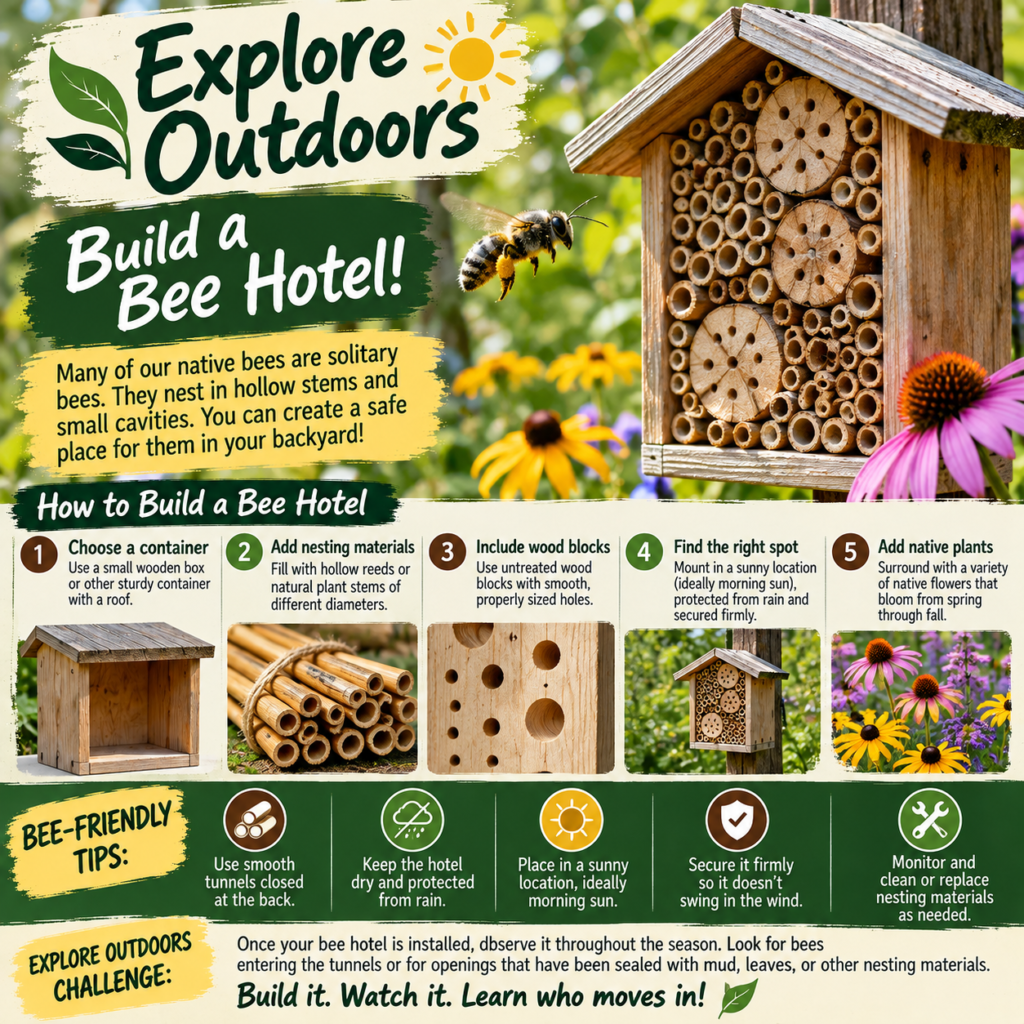
The Amazon red squirrel and the green acouchi, two rodents from the Amazon are extinct. Their habitat is gone. Amazon insects, fish, and flowers are also extinct. Native bees are
The effect of Arctic wildfires on carbon release: Arctic wildfires accelerate the release of organic carbon from the soil into the atmosphere, which can strengthen the feedback to warming. Graphic:
The acidification of the ocean is proportionate to the amount of carbon dioxide humans are pumping into the ocean. Once the ocean reaches a precipice of being saturated with carbon
A cold-adapted fungus is devastating North American bats. The fungus leaves a trademark smudge of white on the bat’s muzzle. The fungus was discovered in New York bat caves in
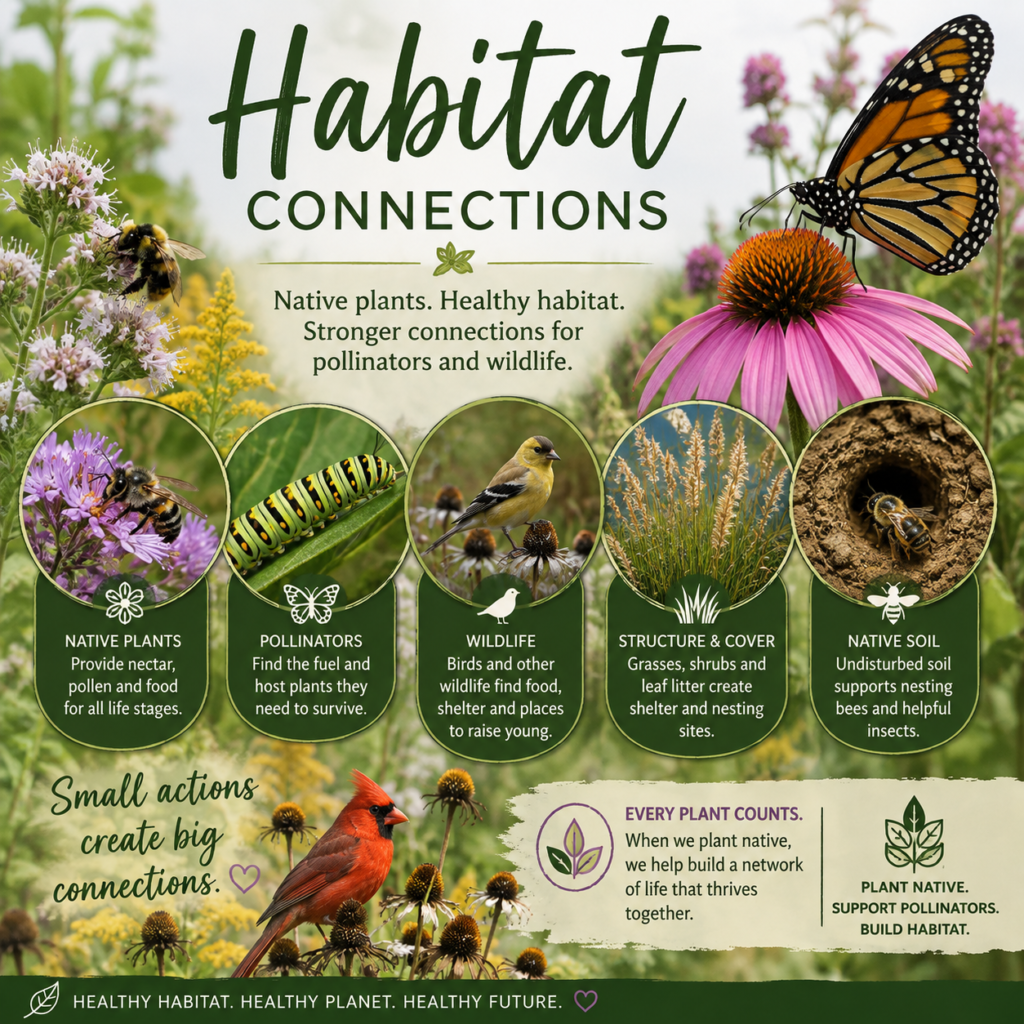
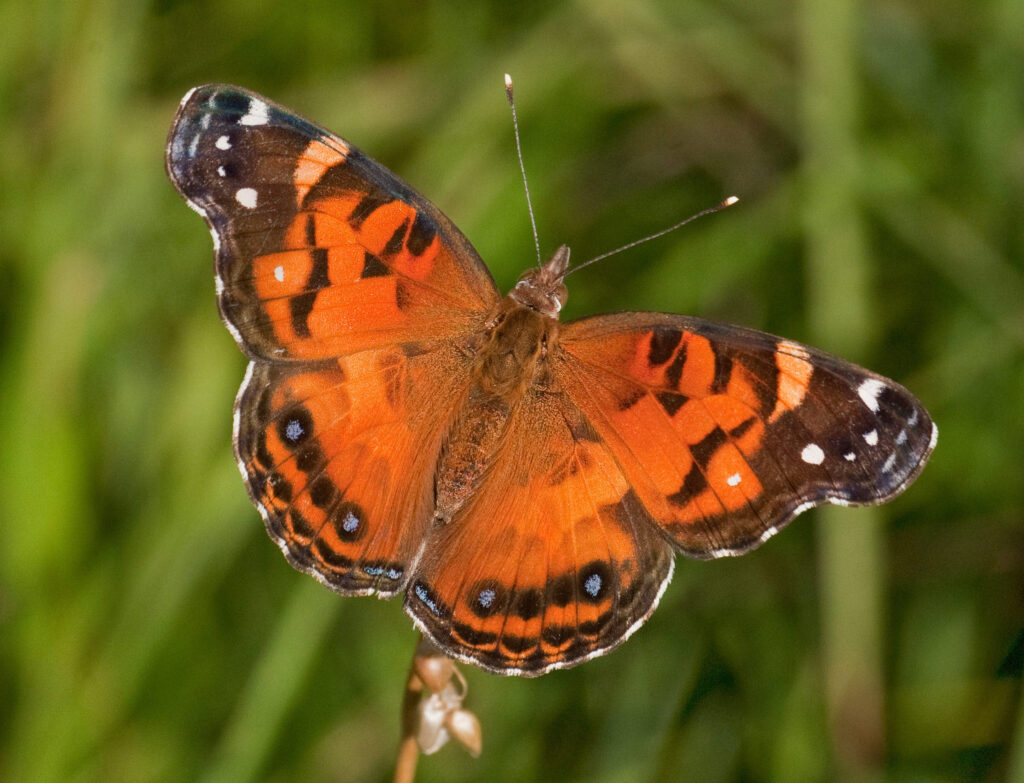
Every ecosystem on earth depends on pollinators to ensure life on earth continues. Pollinators keep plants and humans alive. Their contributions include roles in ecosystems, agriculture, and biodiversity. There are
The Asian Turtle Progam (ATP) discovered the body of the last known female Yangtze softshell turtle in 2023. There are two known male Yangtze softshell turtles remaining. Scientists are hoping
Drones can plant 100,000 trees per day. Biocarbon is partnering with Worldview International Foundation (WIF) to restore the mangroves using tree planting drones. The indigenous population works with scientists to
Victor Vescov descended 11 km (7 miles) discovering new sea creatures and a plastic bag. Victor and his team made 5 dives and deployed robotic landers to explore the seafloor.
Insects are necessary for all life on earth. Some scientists believe the insect population will collapse within 100 years. Insects are losing their habitat. Individual species responses depends on the