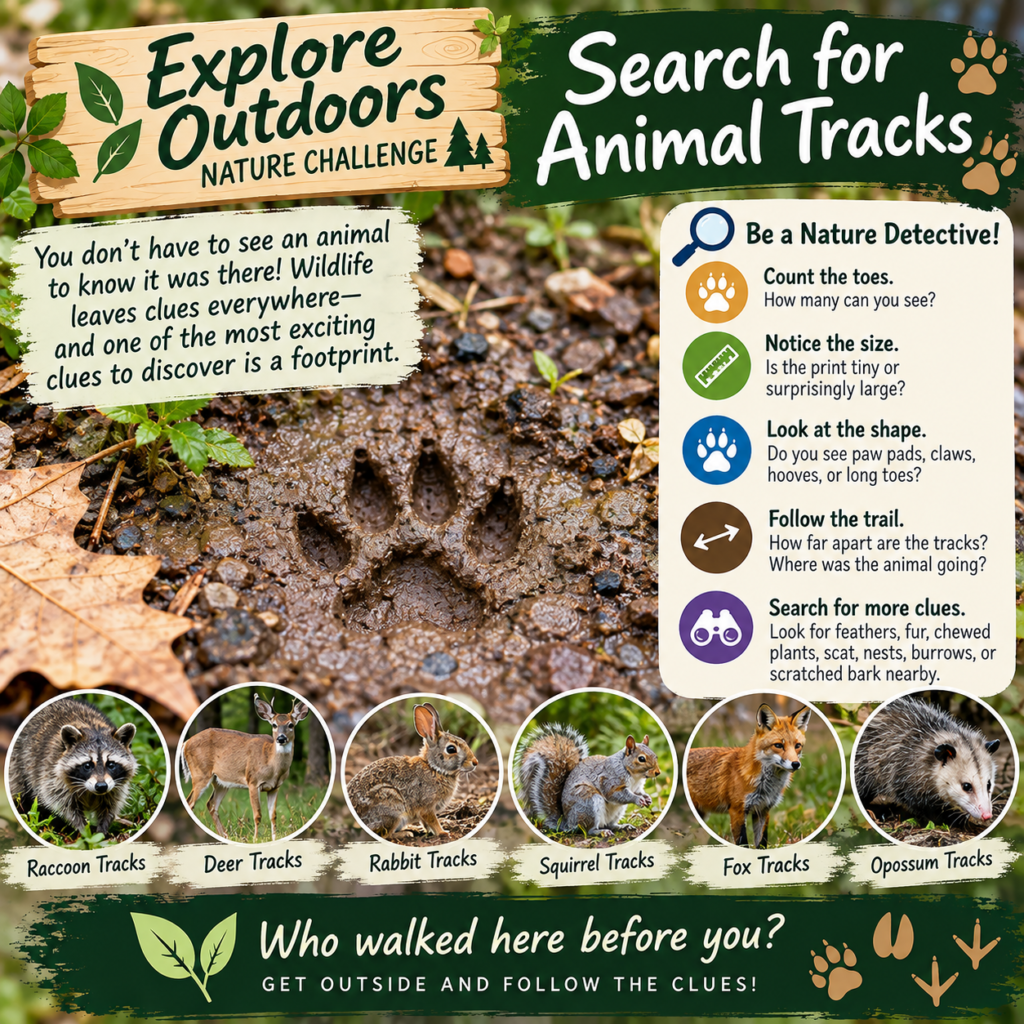
🐾 Explore Outdoors Nature Challenge: Search for Animal Tracks! 🐾
You don’t have to see an animal to know it was there! Wildlife leaves clues everywhere—and one of the most exciting clues to discover is a footprint. This week’s Explore
You don’t have to see an animal to know it was there! Wildlife leaves clues everywhere—and one of the most exciting clues to discover is a footprint. This week’s Explore
How much did you learn from this week’s Nature on the Brink posts? Test your nature knowledge with these six questions about New Jersey tea, the Mottled Duskywing, and the
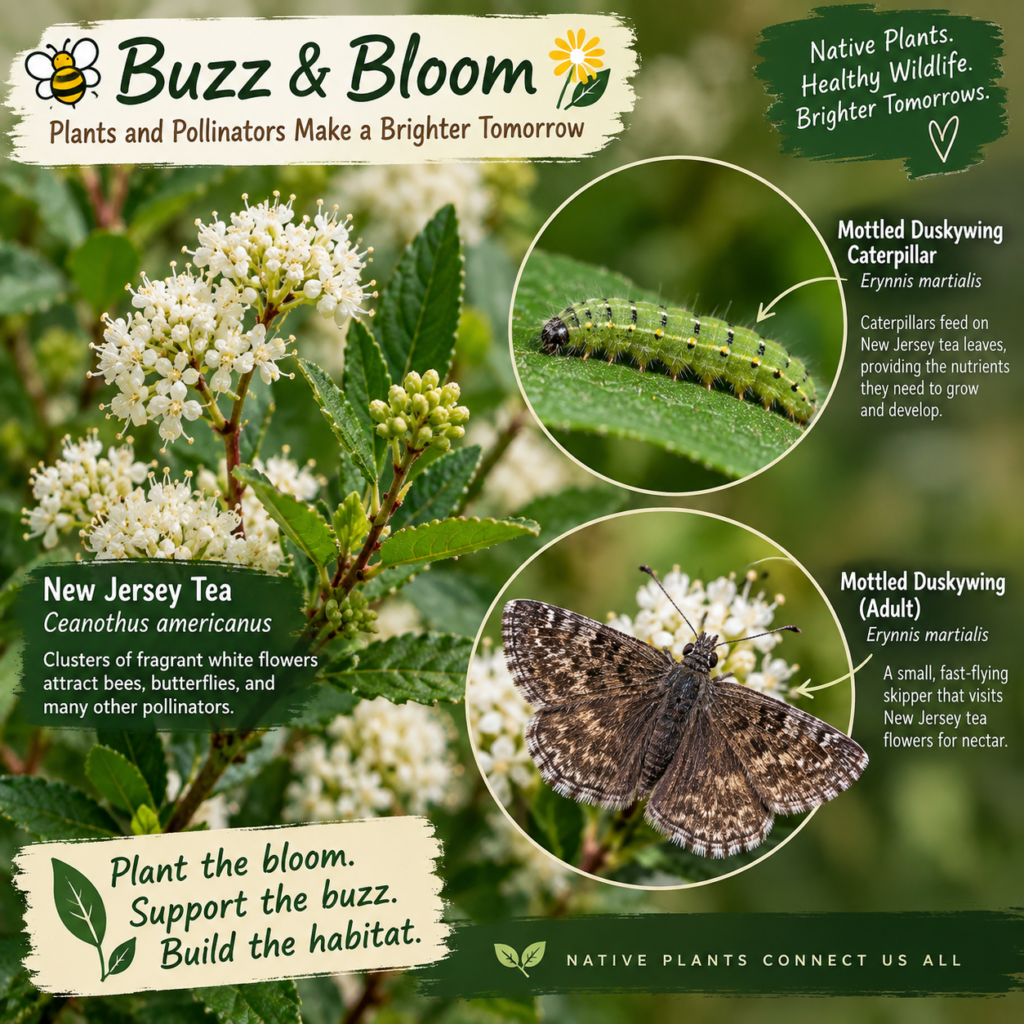
This week’s Buzz & Bloom is a perfect example of why choosing native plants can make such a difference for wildlife. 🌿 THE BLOOM: New Jersey Tea (Ceanothus americanus)Clusters of
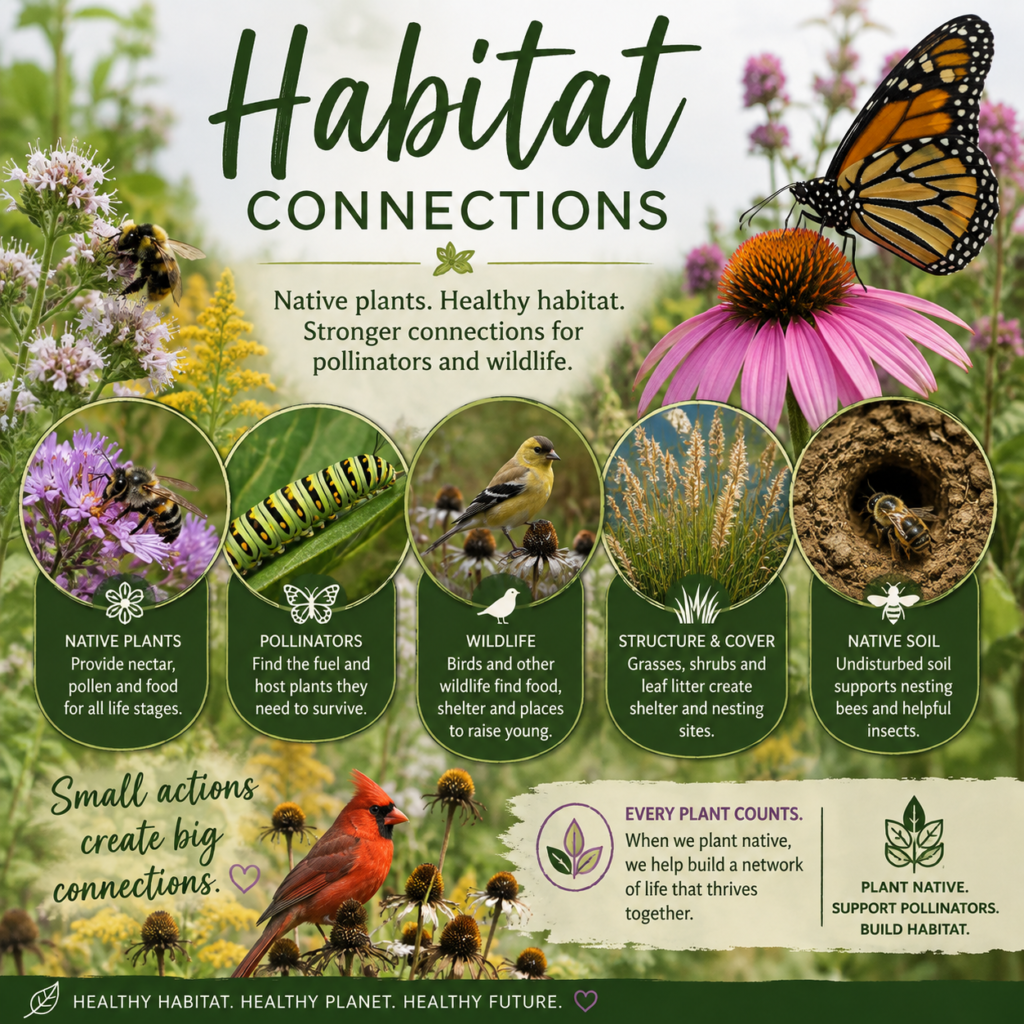
What if we stopped thinking of our yards simply as landscapes—and started seeing them as living ecosystems? A healthy yard can be much more than grass, shrubs, and flowers. It
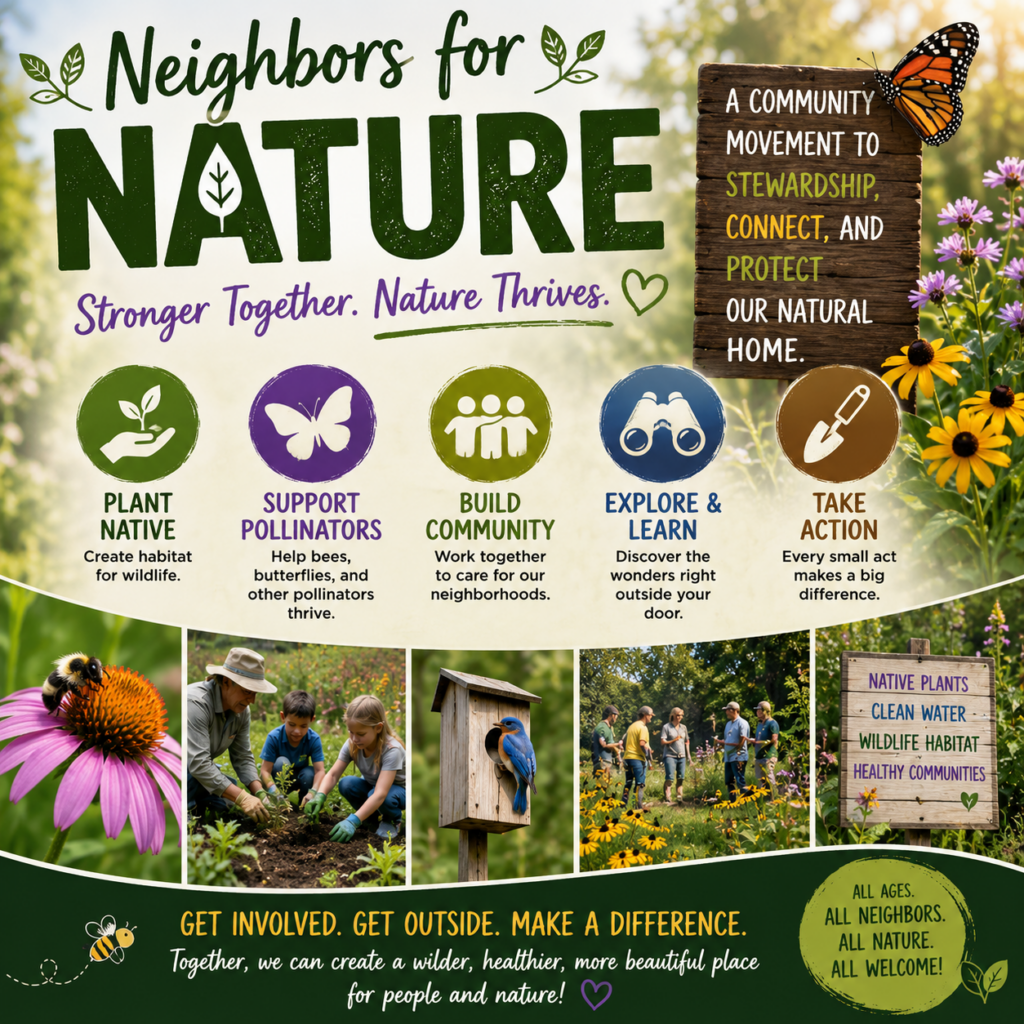
hat can happen when neighbors come together to care for neglected land? In Philadelphia, the answer is pretty remarkable. The Pennsylvania Horticultural Society’s Philadelphia LandCare program works with neighborhood organizations
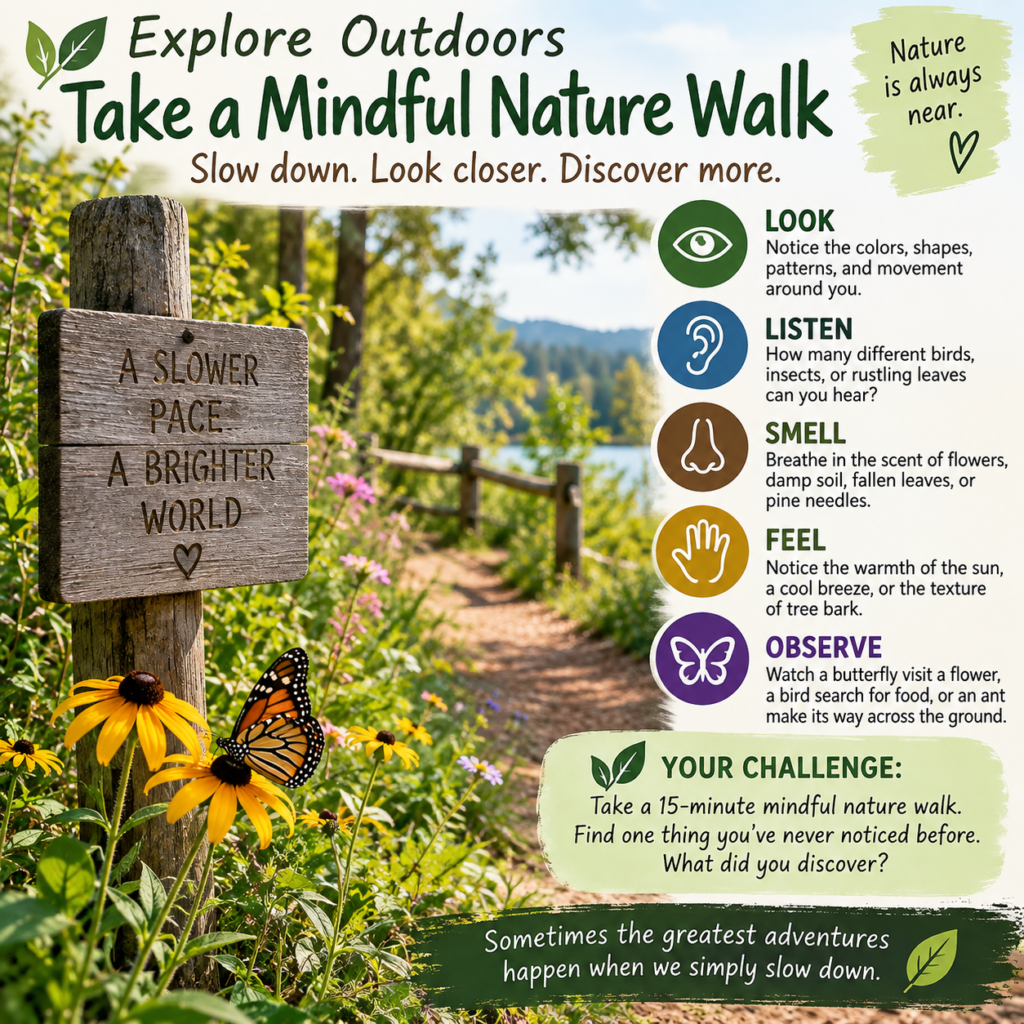
When was the last time you took a walk without worrying about how far you went or how quickly you got there? This week, slow down and let nature set
This week we explored a colorful prairie wildflower, discovered two small but fascinating butterflies, and learned why a patch of native grass is much more than just grass. How much
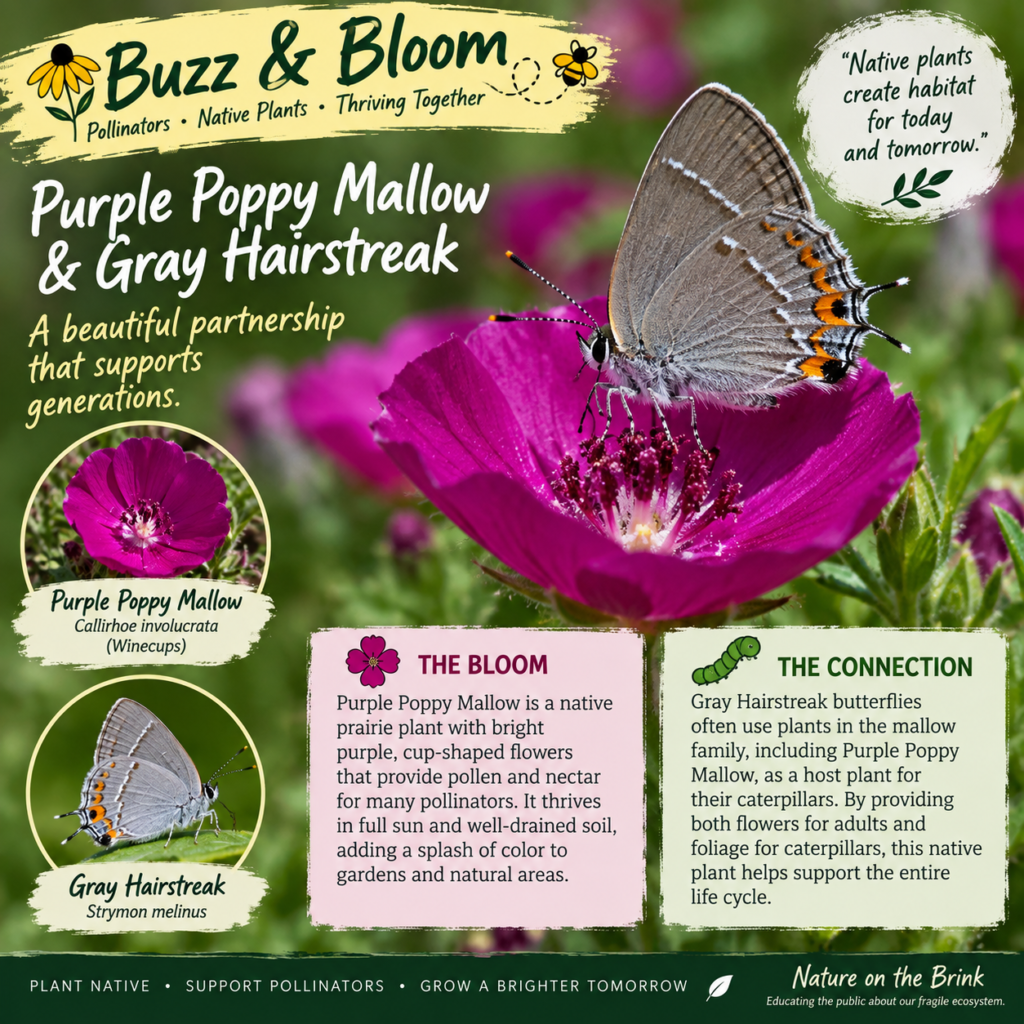
What happens when a beautiful native wildflower provides more than just a meal? Meet Purple Poppy Mallow (Callirhoe involucrata), also known as Winecups, and one of the butterflies that can
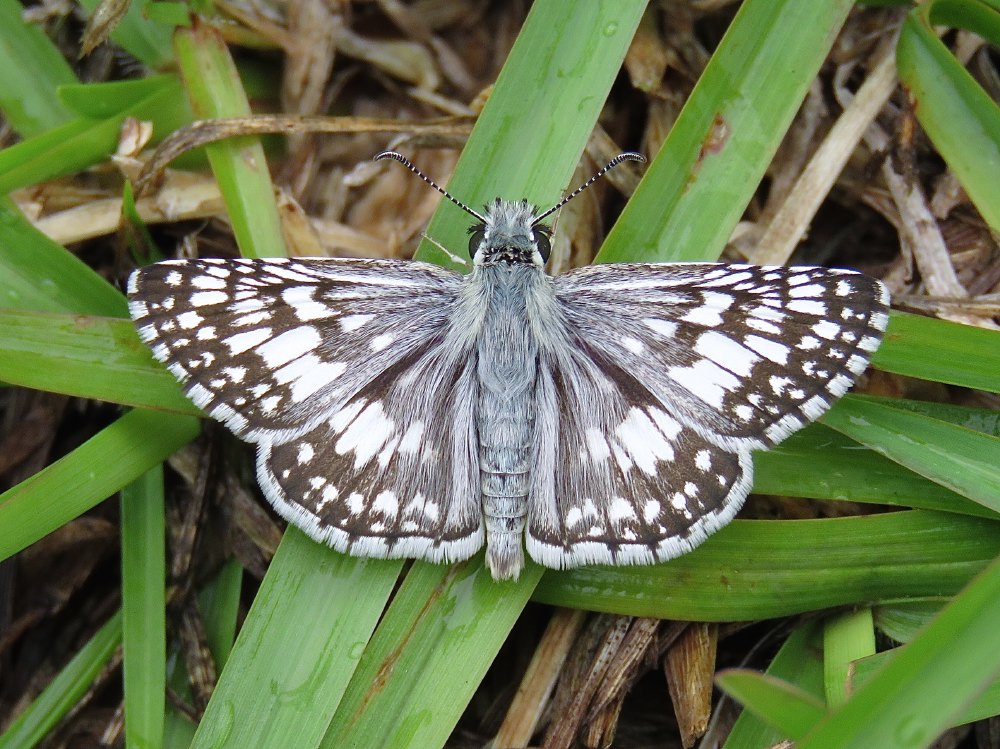
Small, fast, and easy to overlook—the Common Checkered-Skipper (Burnsius communis, formerly Pyrgus communis) proves that some of our most interesting butterflies come in tiny packages. 🔎 LOOK FOR THE CHECKERBOARD
What happens when one neighbor decides to make room for wildlife? In the Sonoran Desert outside Tucson, Arizona, Ellen Fountain transformed her 3.5-acre property into a wildlife oasis, planting native
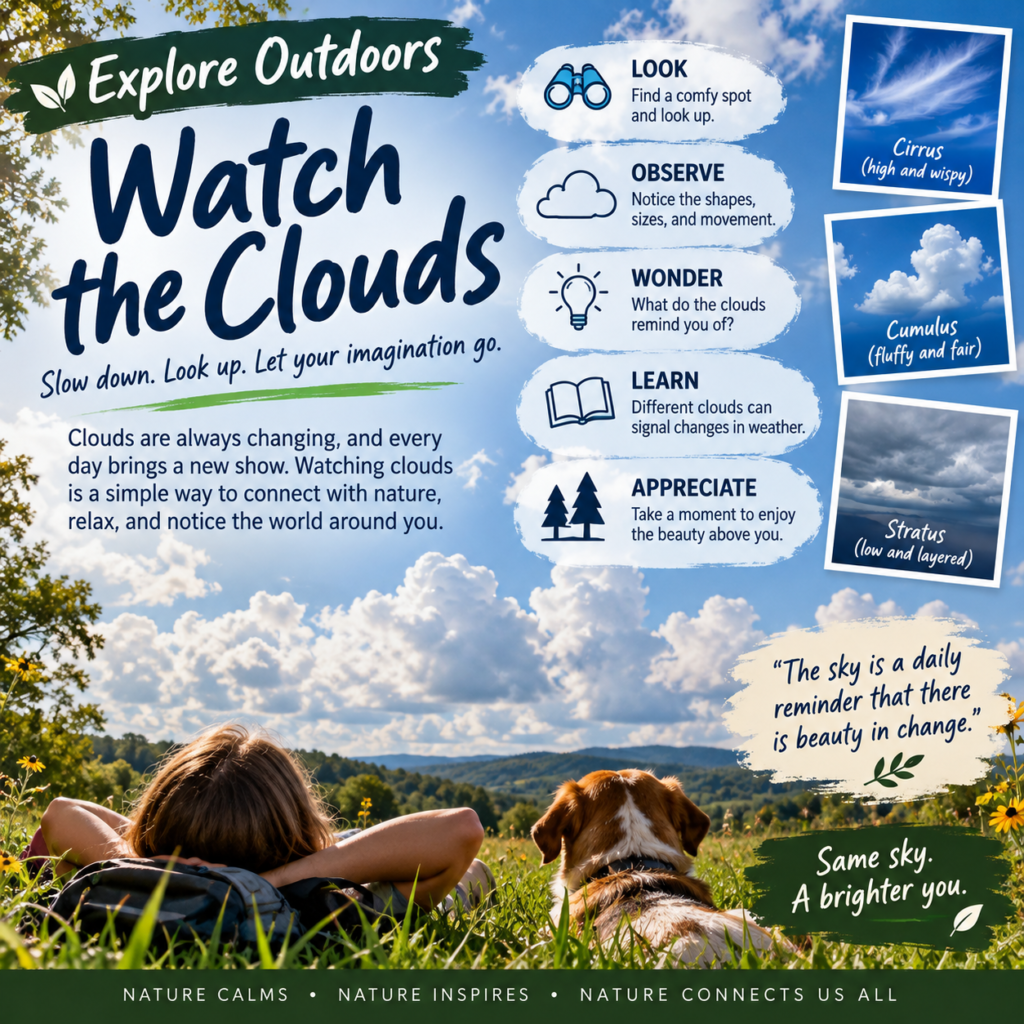
Sometimes the best nature adventure begins by simply looking up! Find a comfortable spot outside, watch the sky for a few minutes, and see how many different kinds of clouds

As summer begins to give way to fall, White Woodland Aster (Eurybia divaricata) starts lighting up shady woodland edges with clouds of small white flowers. And those little flowers can