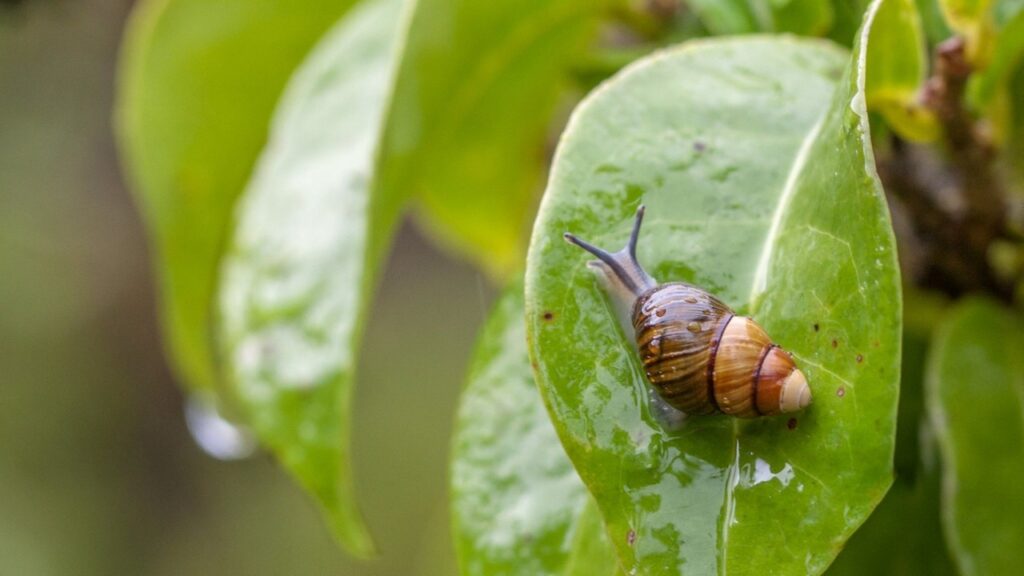
Last Known Hawaiian Land Snail Dies
The last known Achatinella apexfulva died January 1, 2019. He was nick-named ‘George’ and followed by school children worldwide. George was 14 years old. The Achatinella apexfulva was the first
The last known Achatinella apexfulva died January 1, 2019. He was nick-named ‘George’ and followed by school children worldwide. George was 14 years old. The Achatinella apexfulva was the first
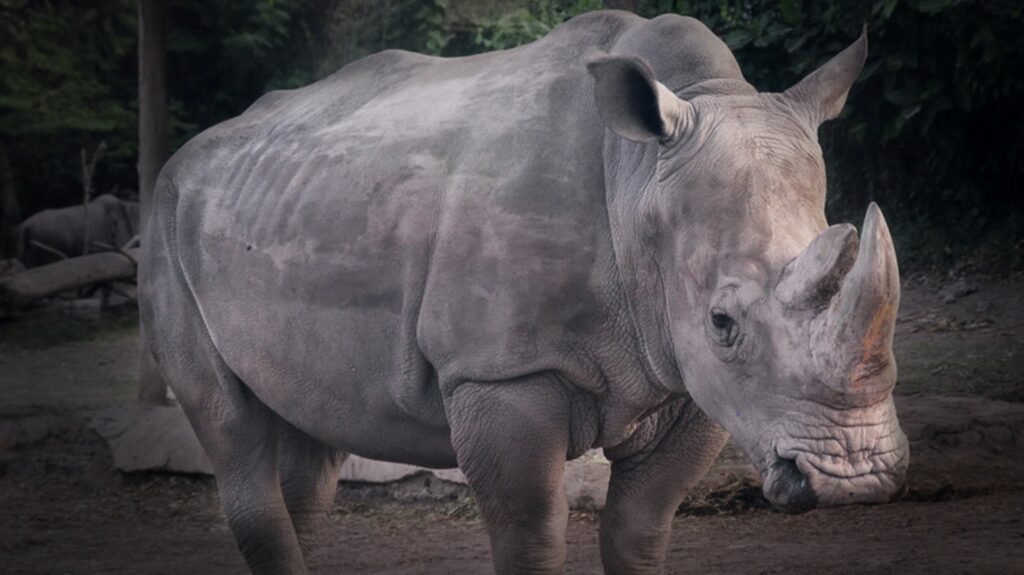
Malaysian Sumatran rhinos are now extinct. Efforts to breed Malaysian Sumatran rhinos have failed. Five related Sumatran species are still hanging on.
The Asian Turtle Progam (ATP) discovered the body of the last known female Yangtze softshell turtle in 2023. There are two known male Yangtze softshell turtles remaining. Scientists are hoping
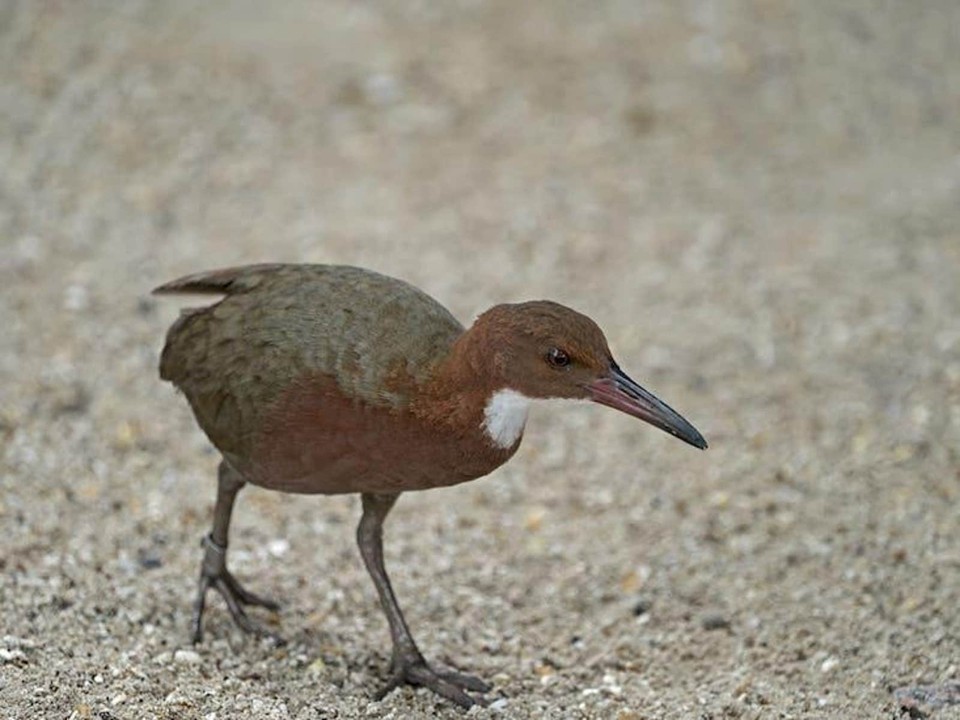
The Aldabra Rail is the only living flightless bird in the Indian ocean. The atoll was submerged 118,000 years ago rendering the Aldabra Rail extinct. When the atoll resurfaced, so
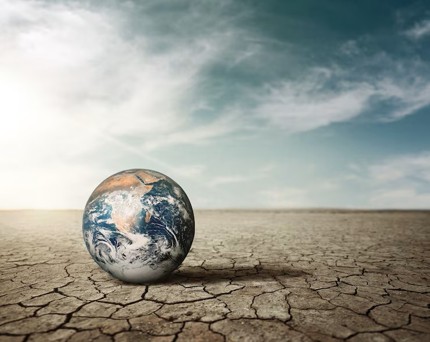
Numerous plant and animal species are at risk of extinction. The average abundance of native plant and animal life has fallen by 20%. The human population has passed 7 billion.

Loss of habitat and poaching led to the demise of this species. The last two white rhinos live on a 24/7 protected sanctuary. The last white rhino passed away in
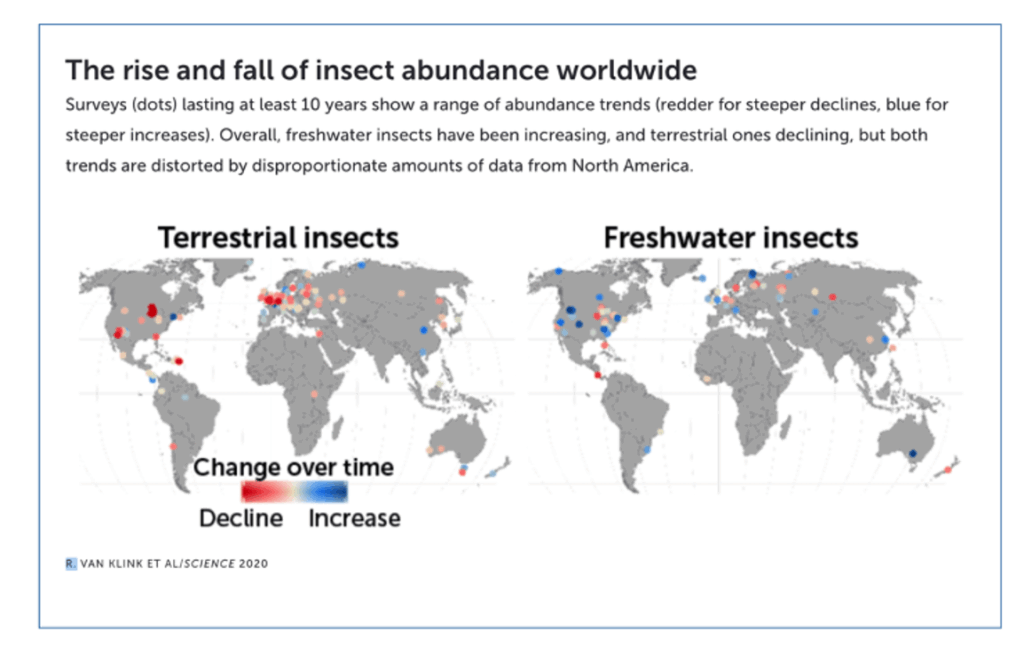
Insects are necessary for all life on earth. Some scientists believe the insect population will collapse within 100 years. Insects are losing their habitat. Individual species responses depends on the
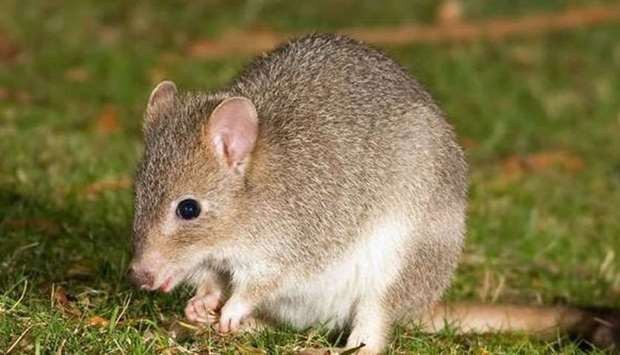
The Bramble Cay Melomy, a small brown rat, declared extinct in 2016 due to climate change. Unfortunately, when something is declared extinct, science stops looking and recording these creatures unless
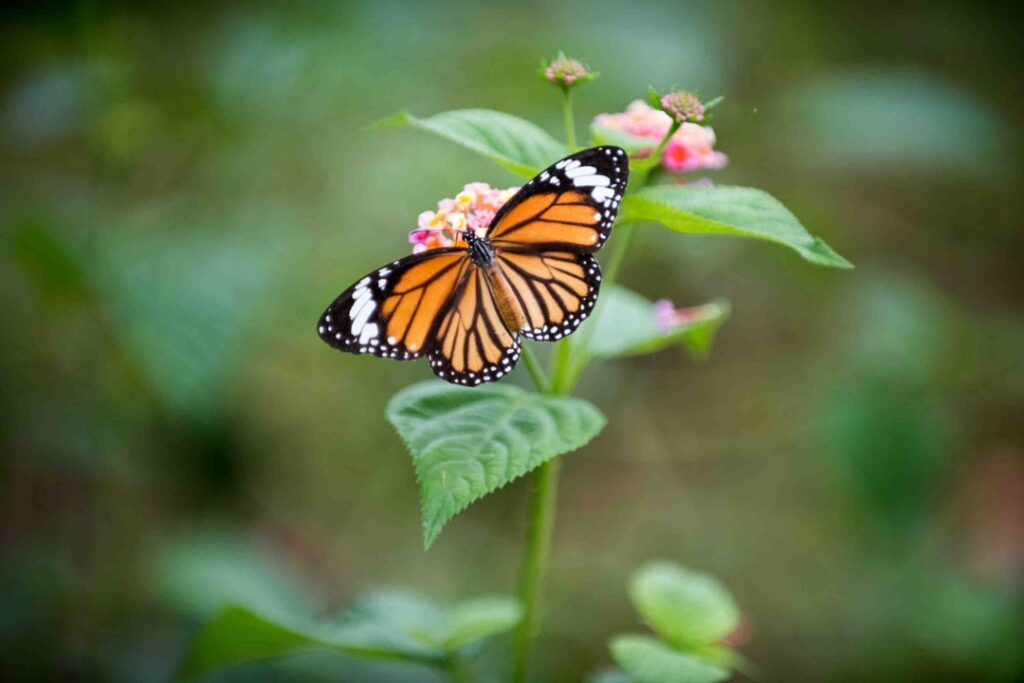
Insects outweigh humanity by a factor of 17. Insects are disappearing faster than other species on Earth. Scientists estimate 40% of all insect species will become endangered over the next
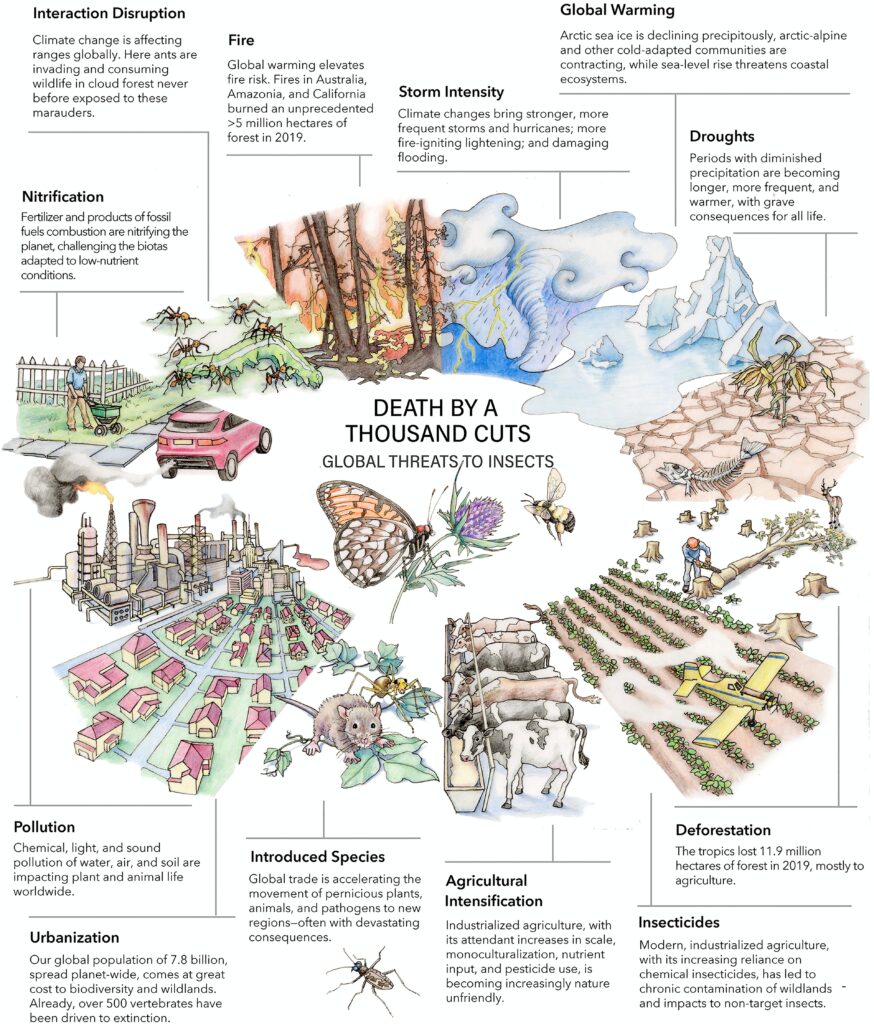
Insect extinctions are occurring eight times faster than other mammals, birds, and reptiles. There are 17 times more insects than humans. Insects are one of the keystone species on the
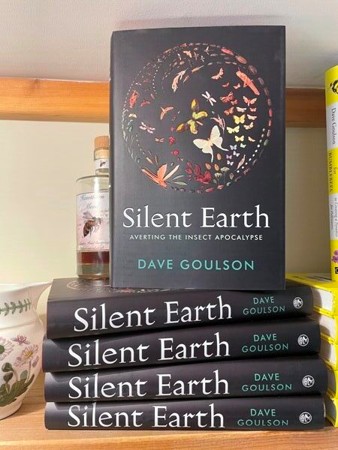
Mr. Goulson takes us through the causes of insect decline. He suggests ways we can support insects. Check your local library, Thrift Books, or Amazon to obtain a copy
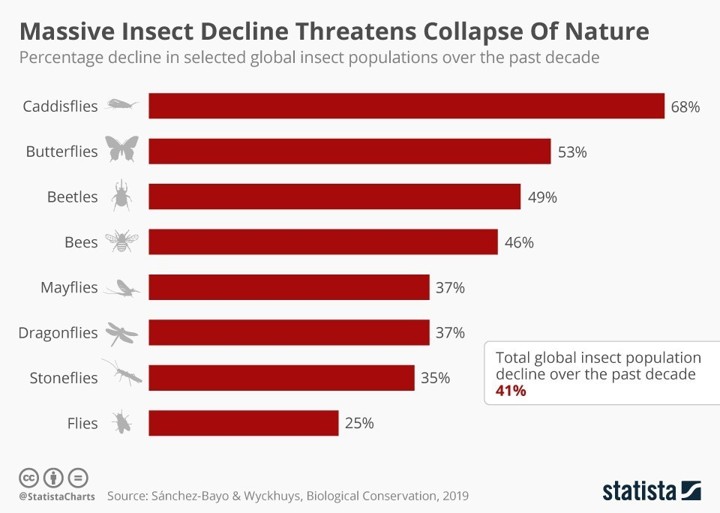
Insect populations continue to decline by a rate of 2.5%/year. https://www.unep.org/news-and-stories/story/insect-declines-are-stark-warning-humanity#:~:text=Many%20people%20think%20of%20insects,without%20them%20we%20are%20doomed.