ππ TEST YOUR NATURE KNOWLEDGE! πΏπ
You’ve been learning about some of the fascinating connections happening in our gardens and natural areas. How much do you remember? Ready? Test your nature knowledge with these five questions! […]
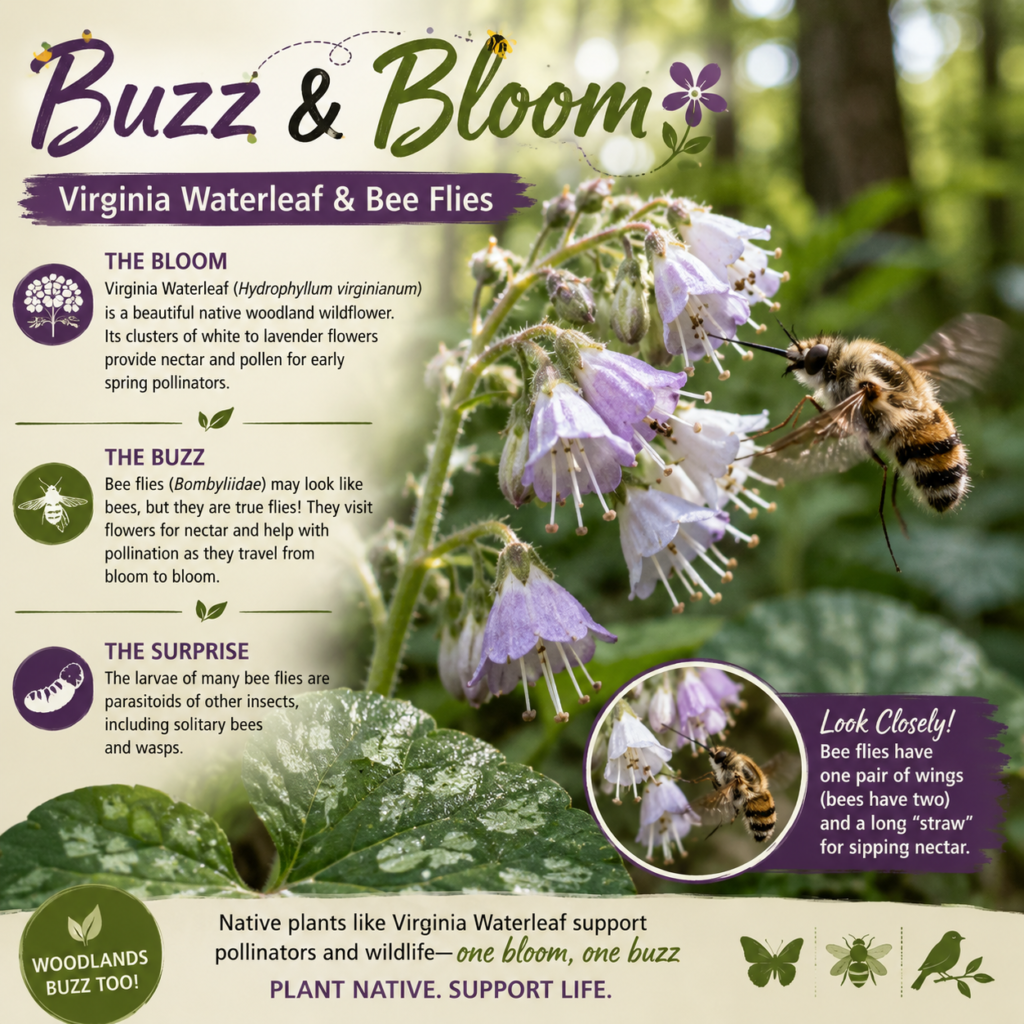
πΈπͺ° BUZZ & BLOOM: Virginia Waterleaf & Bee Flies πΏ Deep in the spring woodland, Virginia Waterleaf (Hydrophyllum virginianum) produces clusters of delicate white to lavender flowersβand if you stop
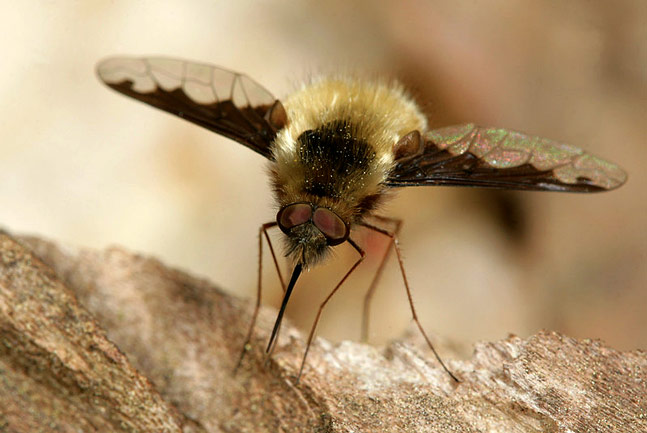
ππͺ° POLLINATOR SPOTLIGHT: Meet the Bee Fly! Is it a bee? Is it a fly? If you spot a fuzzy little insect hovering over your flowers and extending a surprisingly
I don’t have any events this week. I am prepping for next week’s events and starting prep for June’s events. I am working up at Cherokee Veteran’s Park this week
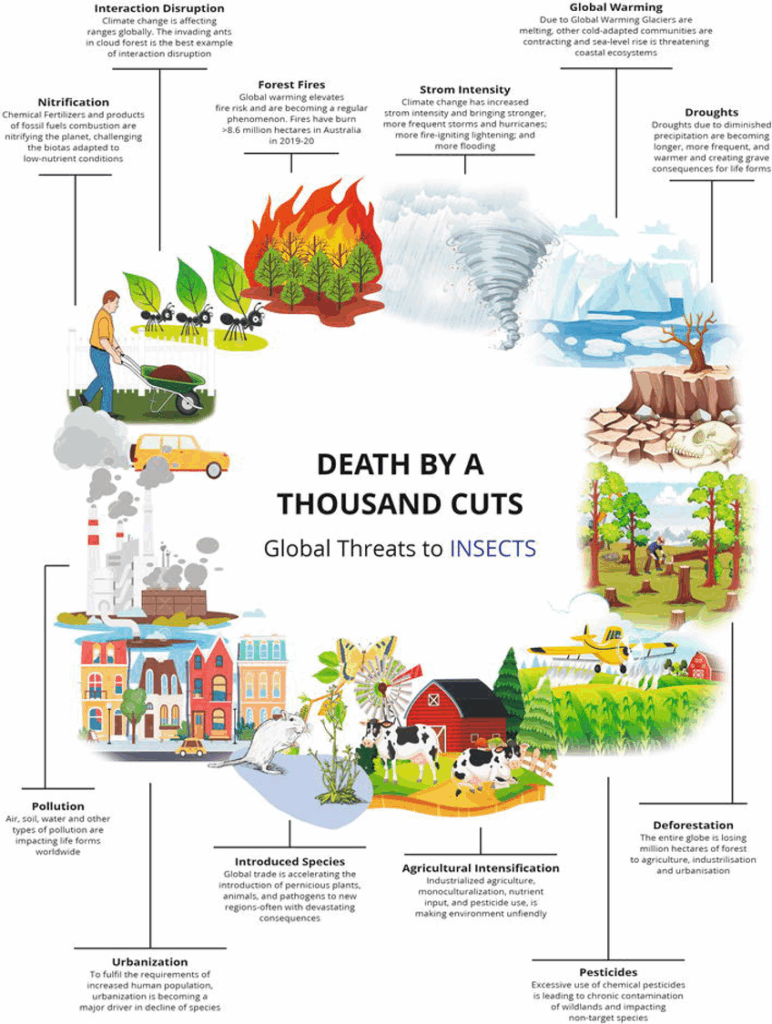
Extinction of 40% of the world’s insect population over the next few decades in inching closer. Habitat loss, pollution, and biologic factors continue to contribute to insect’s demise. Remediation technologies,
States are key actors in decisions affecting pollinators. Pollinators are the keystone species for the planet’s survival. Pollinators continue to experience a decline. Pollinators are responsible for one of every
Habitat loss is significantly affecting insects. Deforestation, chemical use, and climate change all contribute to insect habitat loss. Insects are the most important contributor to life on earth. Without insects,
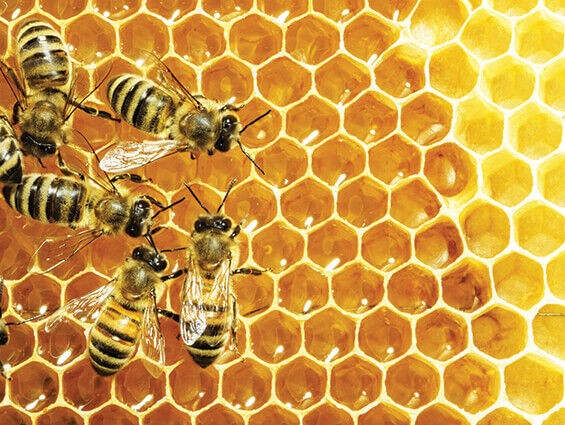
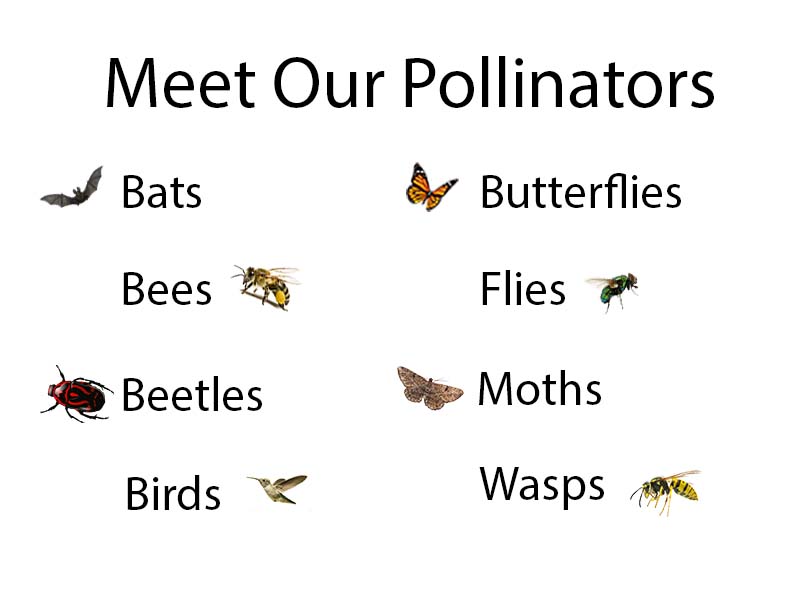
Every ecosystem on earth depends on pollinators to ensure life on earth continues. Pollinators keep plants and humans alive. Their contributions include roles in ecosystems, agriculture, and biodiversity. There are