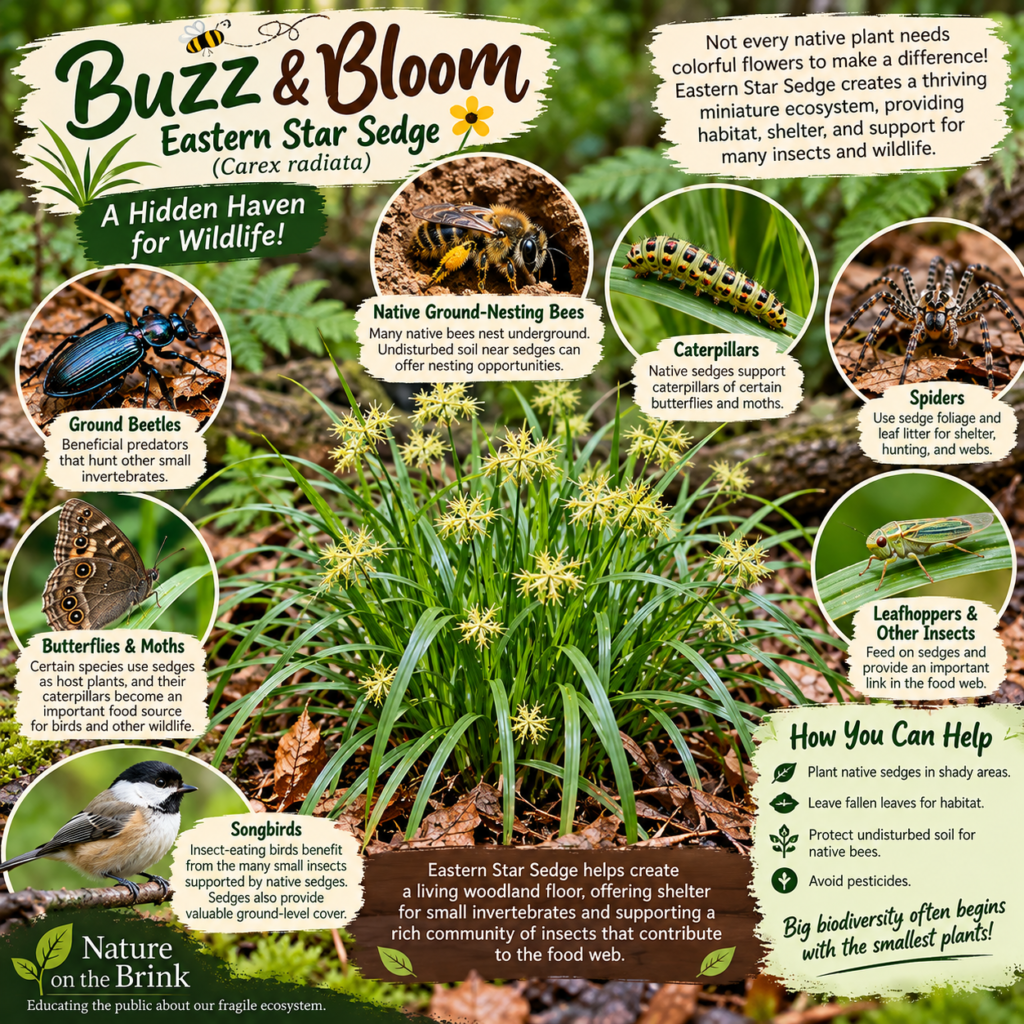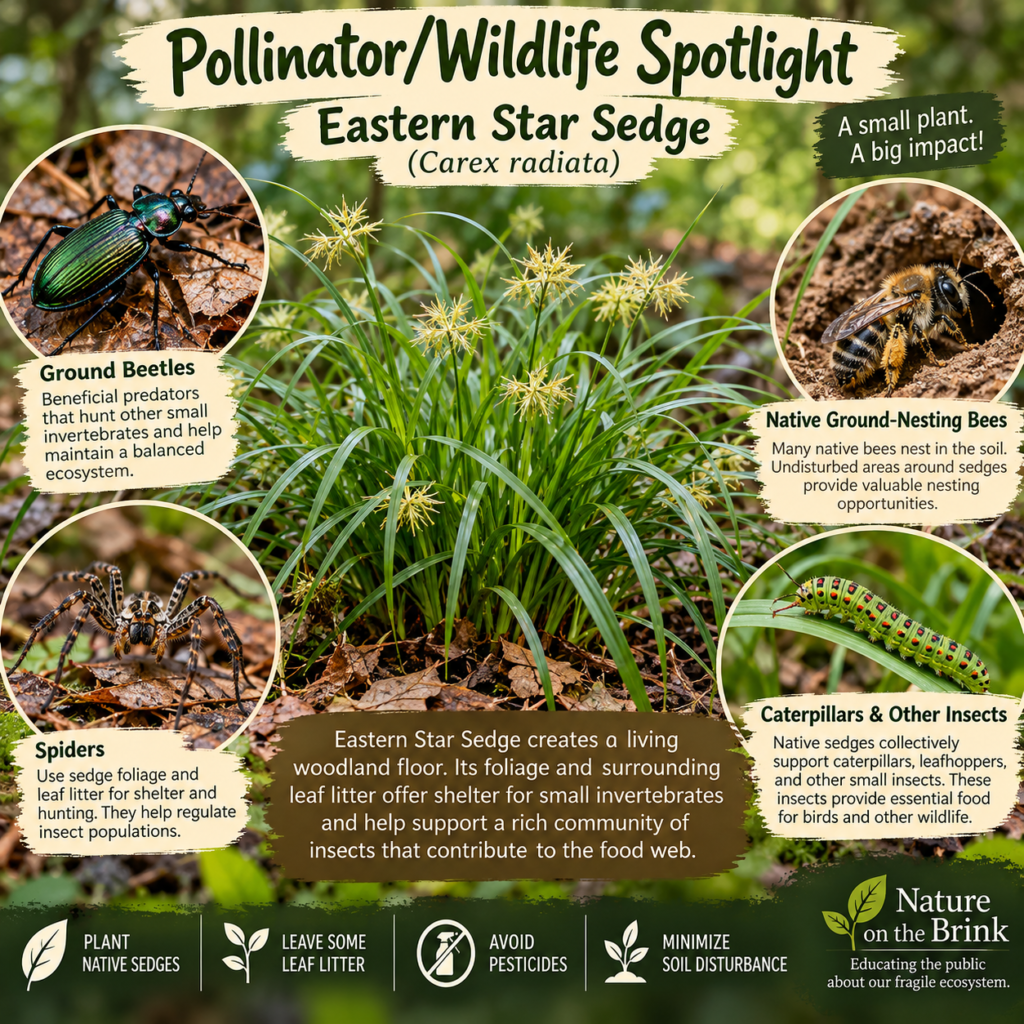
Buzz & Bloom
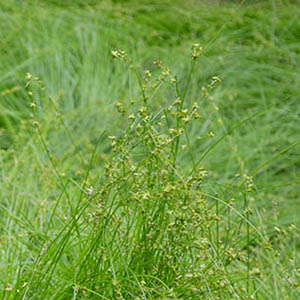
🌾 Southeastern Grasslands Feature: America’s Most Overlooked Ecosystem Grasslands of the Southeast are some of the most diverse—and most threatened—ecosystems in North America. Once stretching across vast portions of the […]
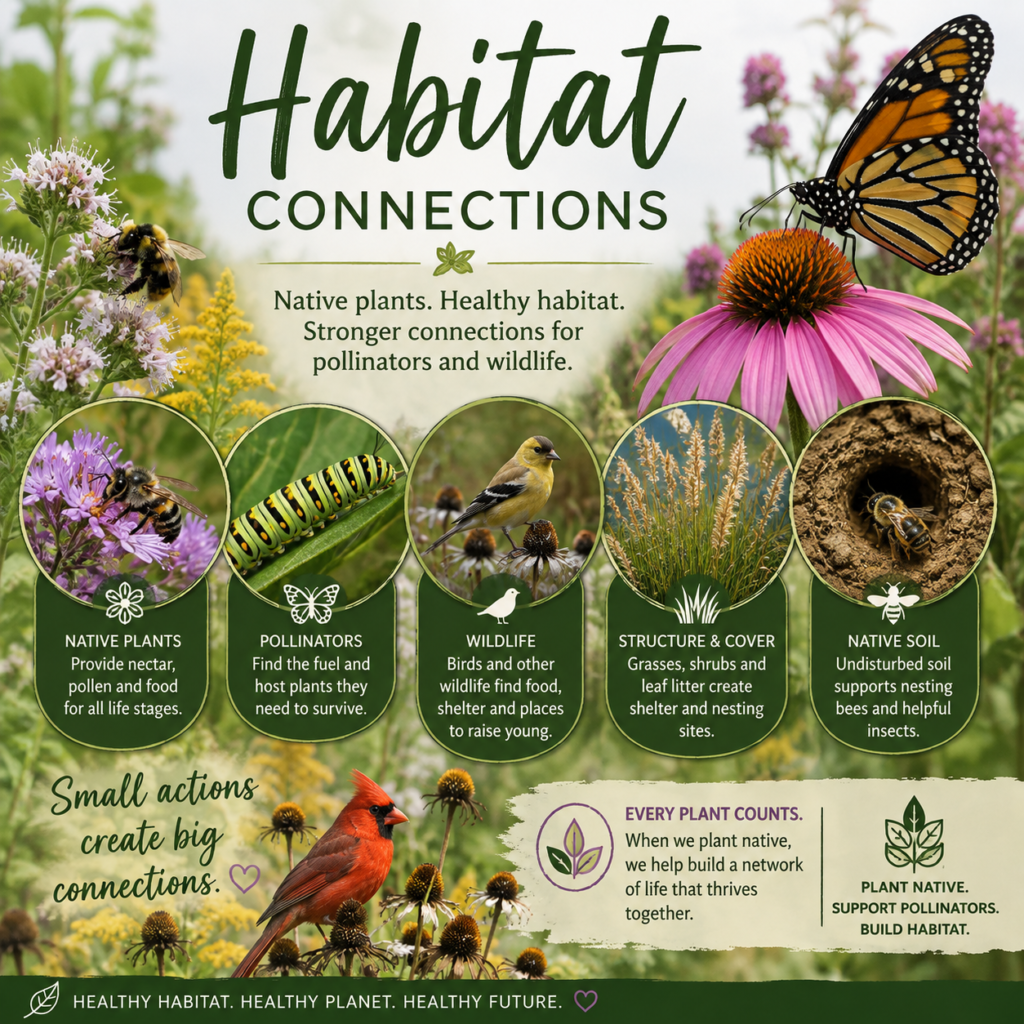
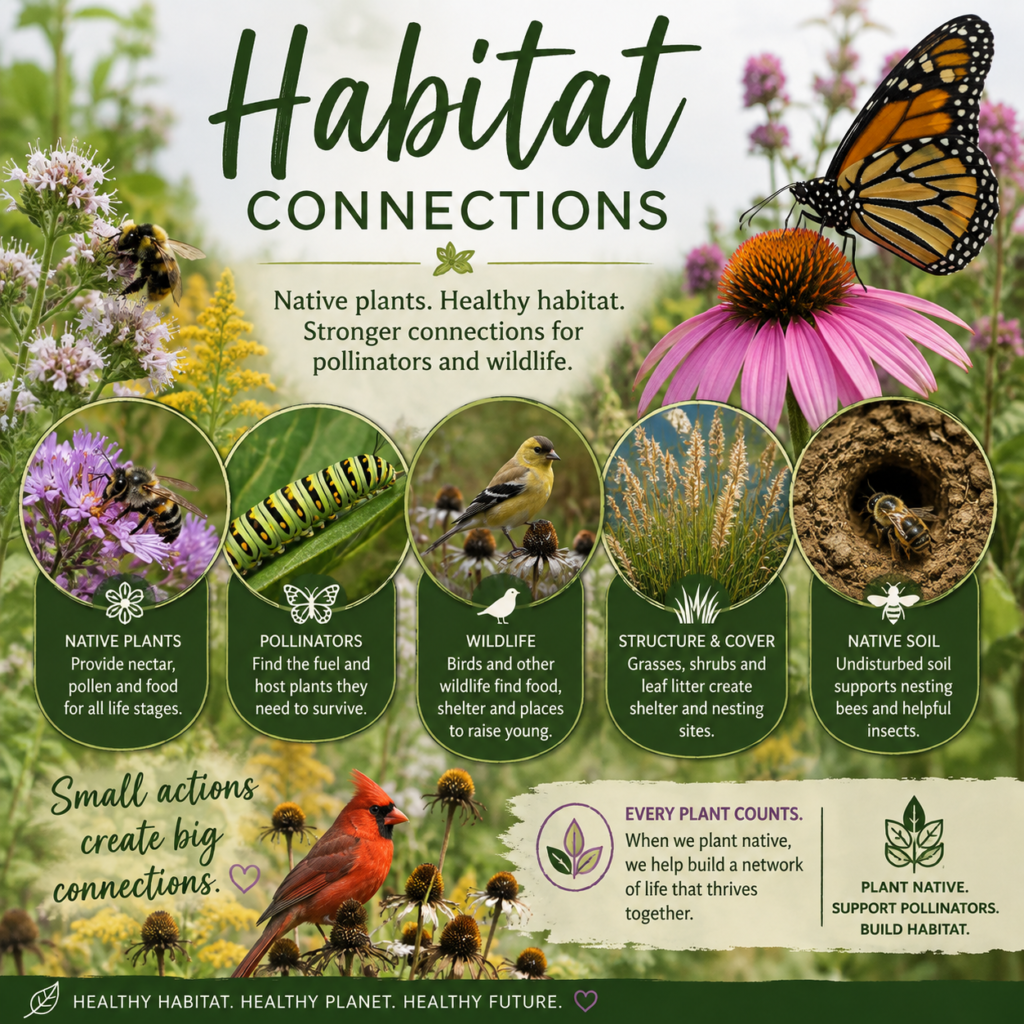
🌿 Habitat Fragmentation: Why It Matters & What You Can Do As cities grow and roads expand, natural habitats are often broken into smaller, isolated patches—a process called habitat fragmentation.
Unearth A Story – Up in the Garden, Down in the Dirt Unearth A Story invites preschoolers to dig into the wonders beneath their feet through stories, sensory play, and
I don’t have any events this week. I am prepping for next week’s events and starting prep for June’s events. I am working up at Cherokee Veteran’s Park this week
Neonics caused sparrows to drop a quarter of their body weight in three days. Sparrows eating pesticide laden seeds lost their ability to travel north. Affected sparrows lingered two to
Bird biodiversity is declining. There is a 29% total bird decline since 1970. Birds are a critical part of the living tapestry. When birds decline, pest increases and pollination decreases.
Pollinators are experiencing a remarkable decline. Loss of habitat is one of the reasons. Developments wipe out pollinator habitat. When urban sprawl occurs, pollinator habitat shrinks. This shrinking creates islands
The Earth Watch Institute declared bees necessary for every other being on earth. The Royal Geographical Society has declared the loss of bees by 90%. Without bees and other pollinators,
From July 16–19, 2025, Western Carolina University in Cullowhee, NC hosted the annual Cullowhee Native Plant Conference, drawing botanists, conservationists, educators, nursery professionals, and plant enthusiasts from across the Southeast
States are key actors in decisions affecting pollinators. Pollinators are the keystone species for the planet’s survival. Pollinators continue to experience a decline. Pollinators are responsible for one of every
42 of the more than 850 species of bees in Canada are necessary to grow crops. Apples, tomatoes, blueberries, legumes, trees, shrubs, and wildflowers rely on pollination. No pollination means
Insects outweigh humanity by a factor of 17. Insects are disappearing faster than other species on Earth. Scientists estimate 40% of all insect species will become endangered over the next