🏡🌿 Neighbors for Nature: One Yard Can Start a Corridor
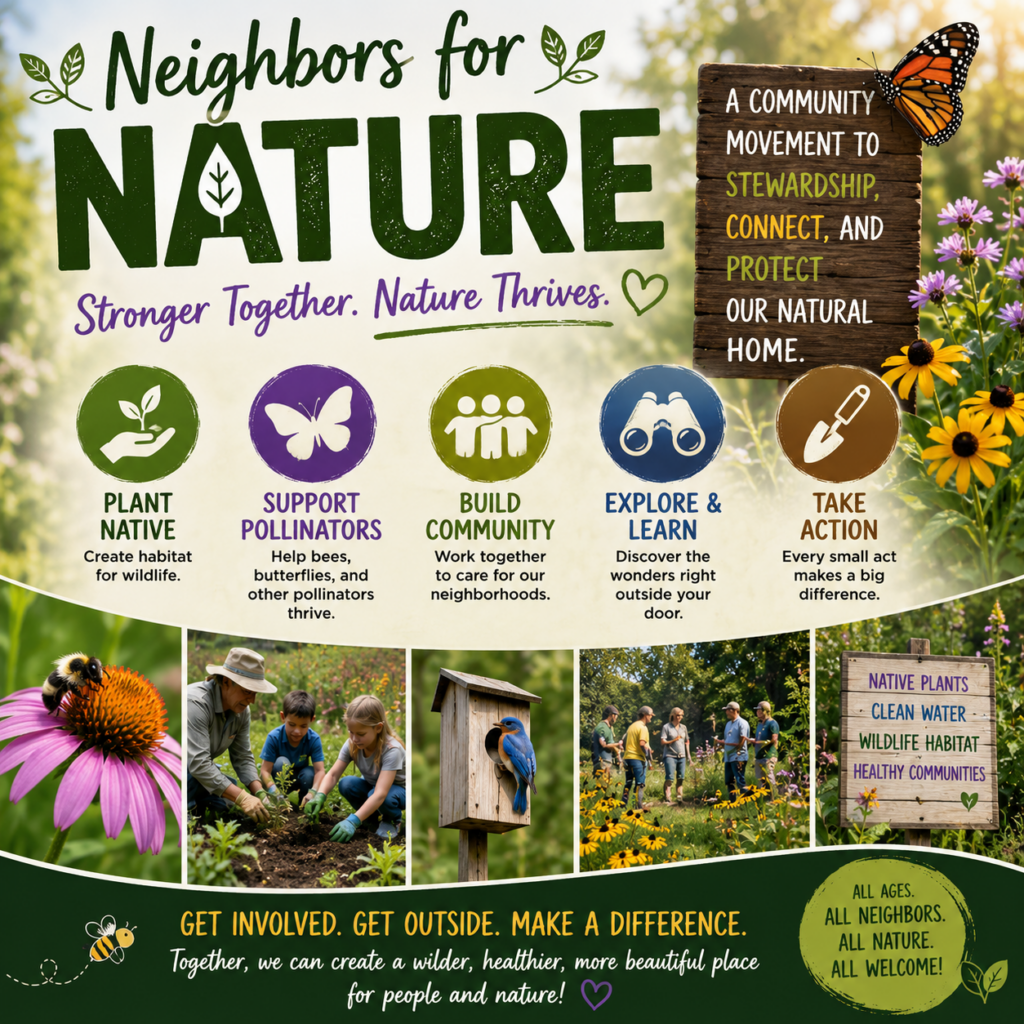
What happens when neighbors stop thinking of their yards as separate spaces and start seeing them as pieces of one larger habitat? In Princeton, New Jersey, a small group of
What happens when neighbors stop thinking of their yards as separate spaces and start seeing them as pieces of one larger habitat? In Princeton, New Jersey, a small group of
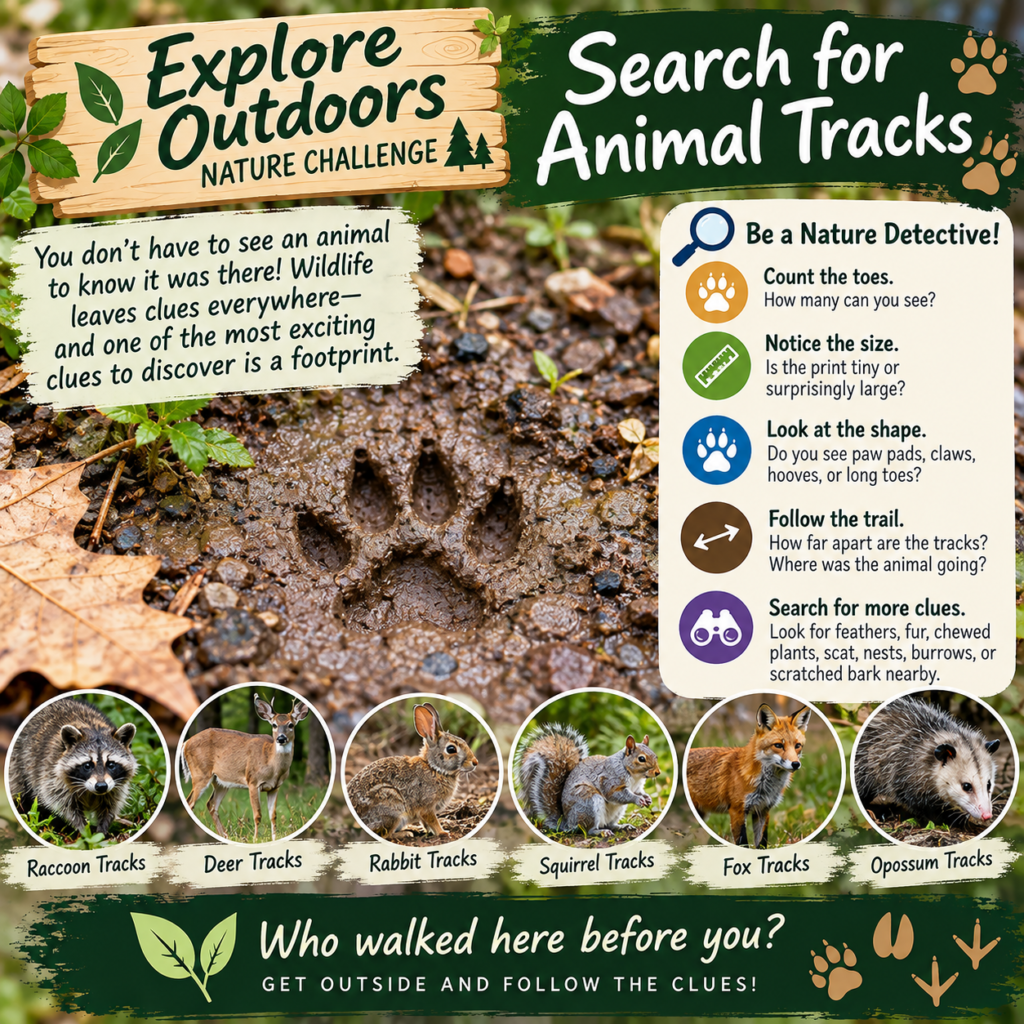
You don’t have to see an animal to know it was there! Wildlife leaves clues everywhere—and one of the most exciting clues to discover is a footprint. This week’s Explore
How much did you learn from this week’s Nature on the Brink posts? Test your nature knowledge with these six questions about New Jersey tea, the Mottled Duskywing, and the
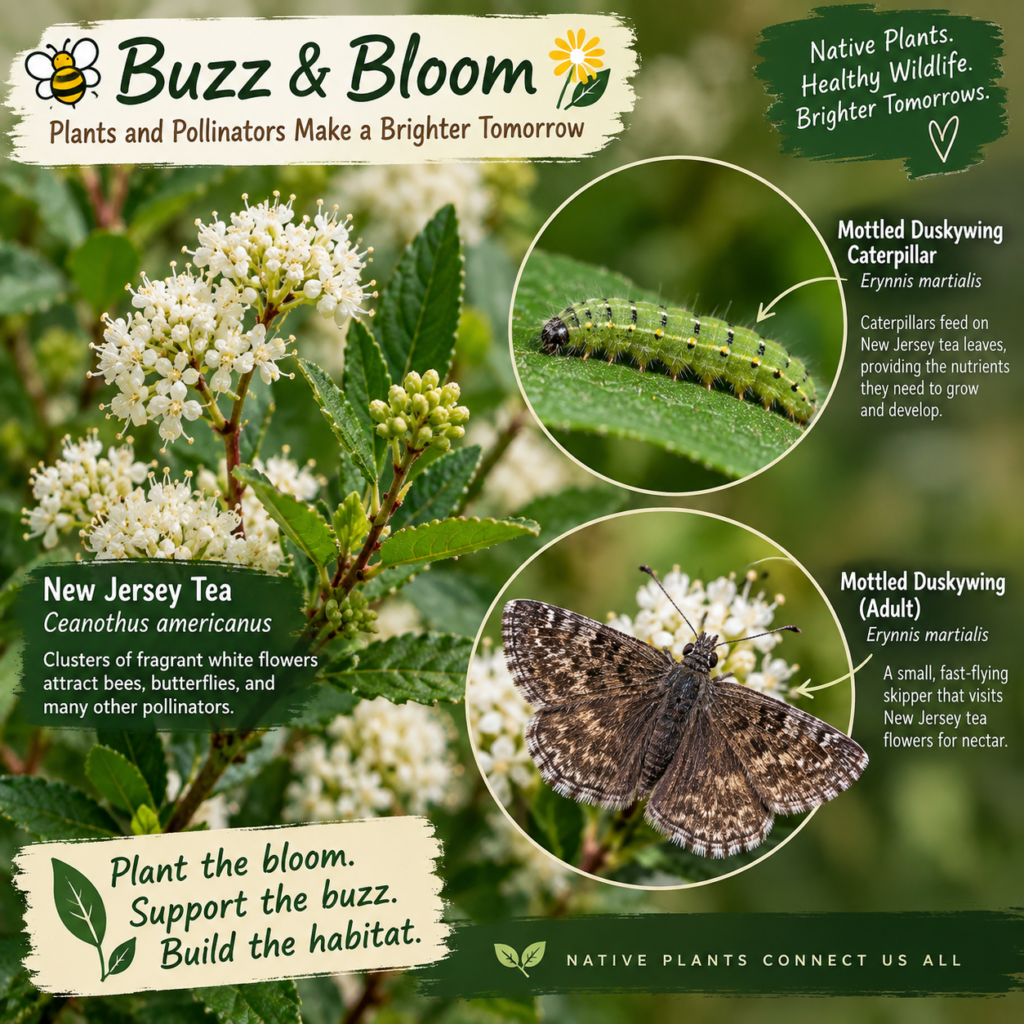
This week’s Buzz & Bloom is a perfect example of why choosing native plants can make such a difference for wildlife. 🌿 THE BLOOM: New Jersey Tea (Ceanothus americanus)Clusters of
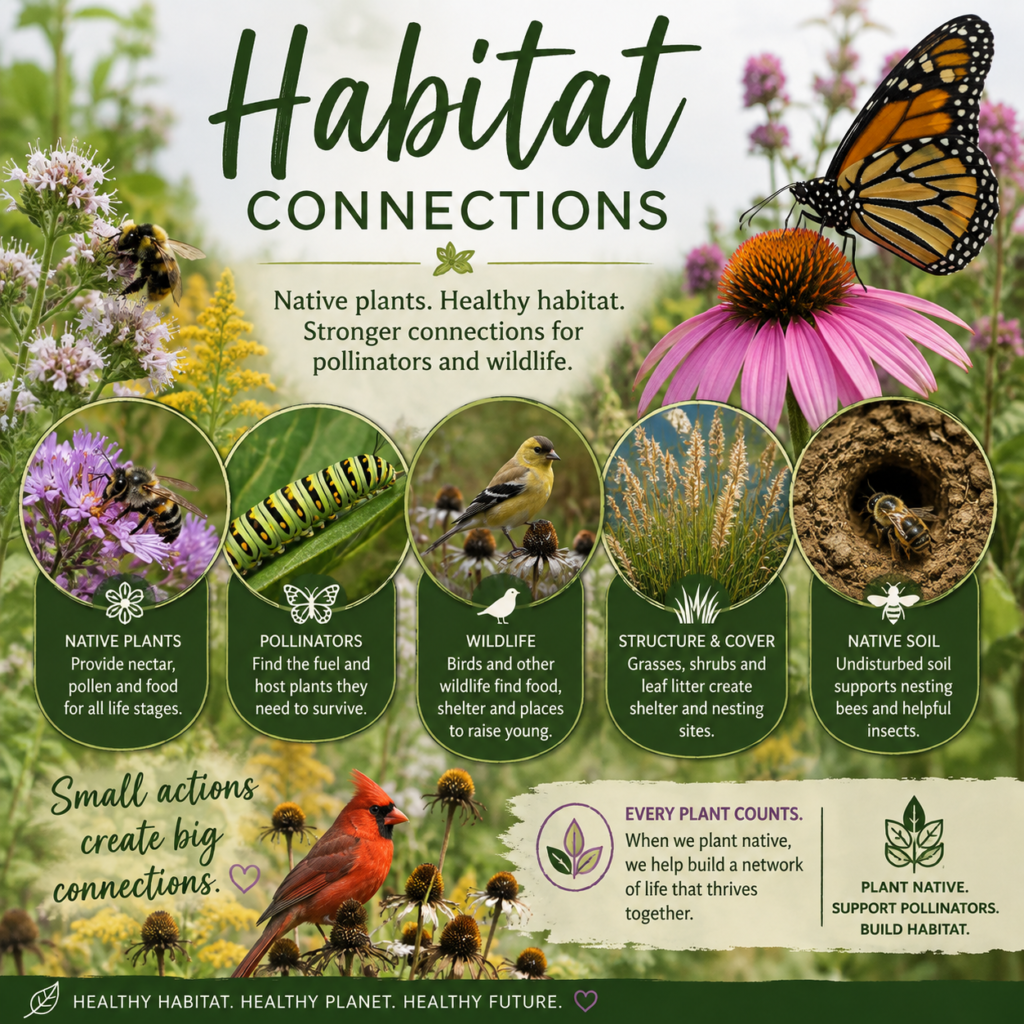
What if we stopped thinking of our yards simply as landscapes—and started seeing them as living ecosystems? A healthy yard can be much more than grass, shrubs, and flowers. It
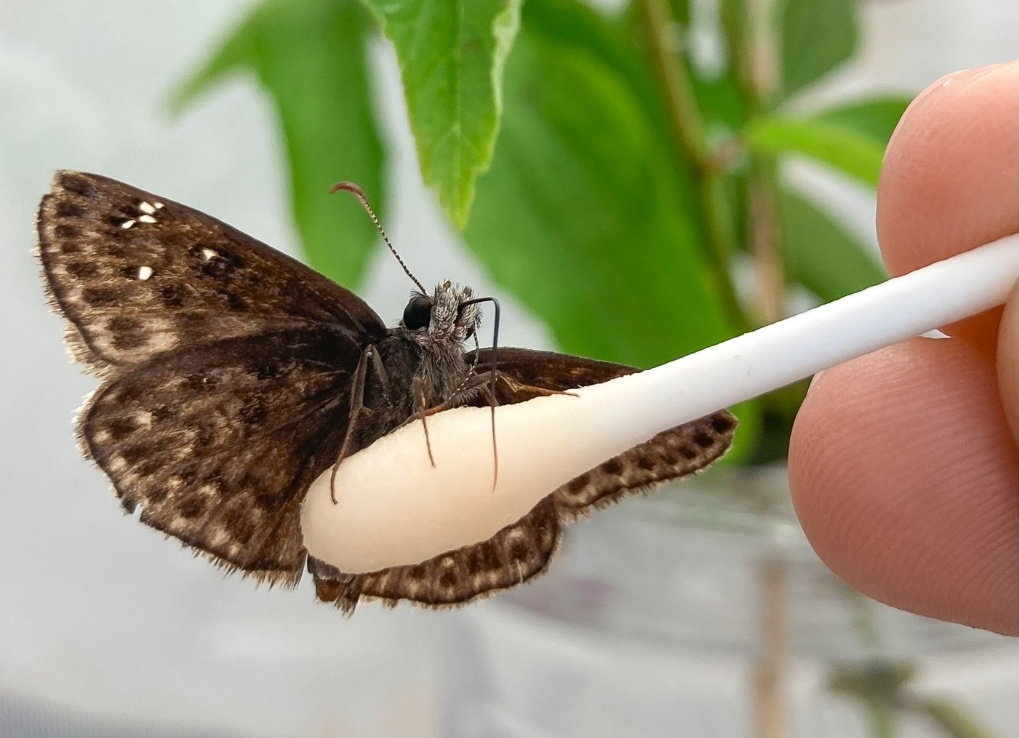
Small, fast, and easy to overlook, the Mottled Duskywing (Erynnis martialis) is another wonderful example of why native plants matter. With its mottled brown-and-gray wings, this little skipper blends beautifully
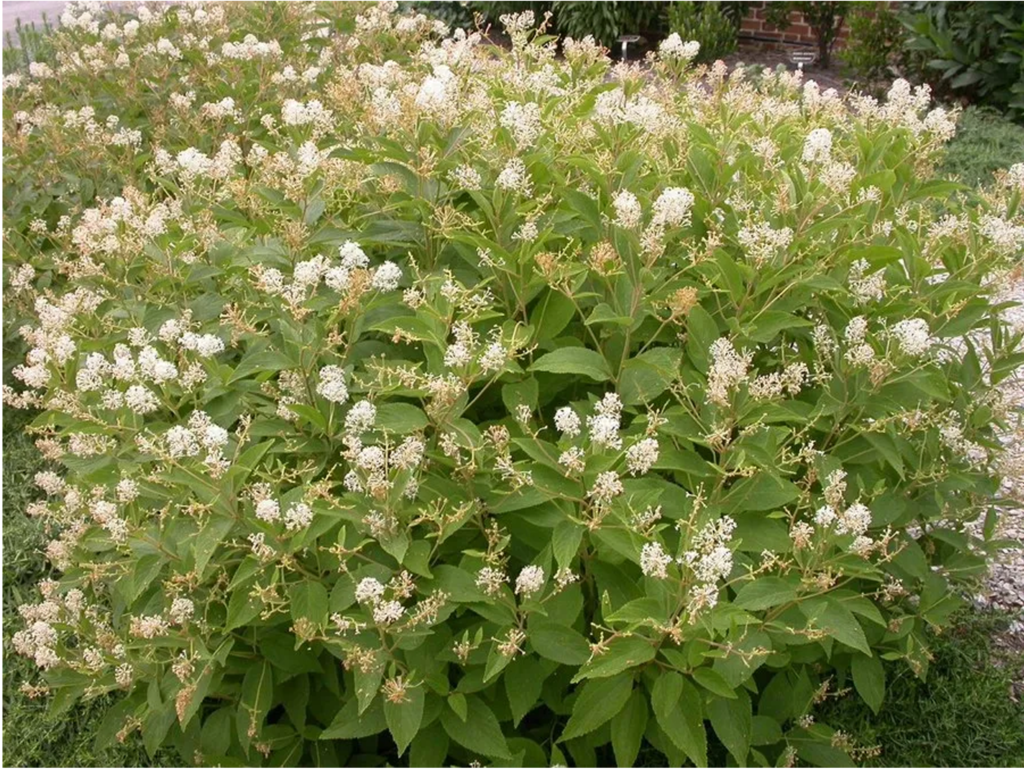
Looking for a beautiful native shrub that works hard for pollinators? Meet New Jersey tea (Ceanothus americanus)! This compact native shrub produces clusters of tiny, fragrant white flowers in late
hat can happen when neighbors come together to care for neglected land? In Philadelphia, the answer is pretty remarkable. The Pennsylvania Horticultural Society’s Philadelphia LandCare program works with neighborhood organizations
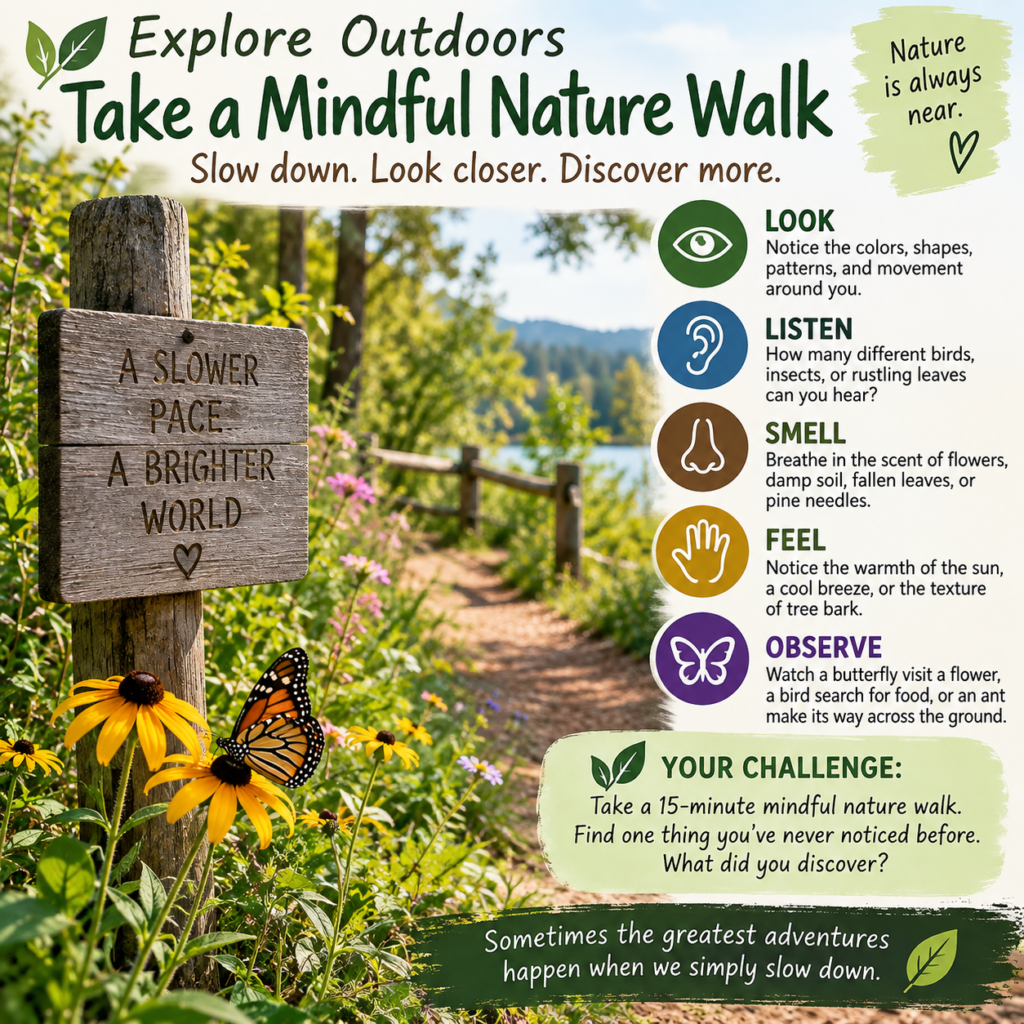
When was the last time you took a walk without worrying about how far you went or how quickly you got there? This week, slow down and let nature set
This week we explored a colorful prairie wildflower, discovered two small but fascinating butterflies, and learned why a patch of native grass is much more than just grass. How much
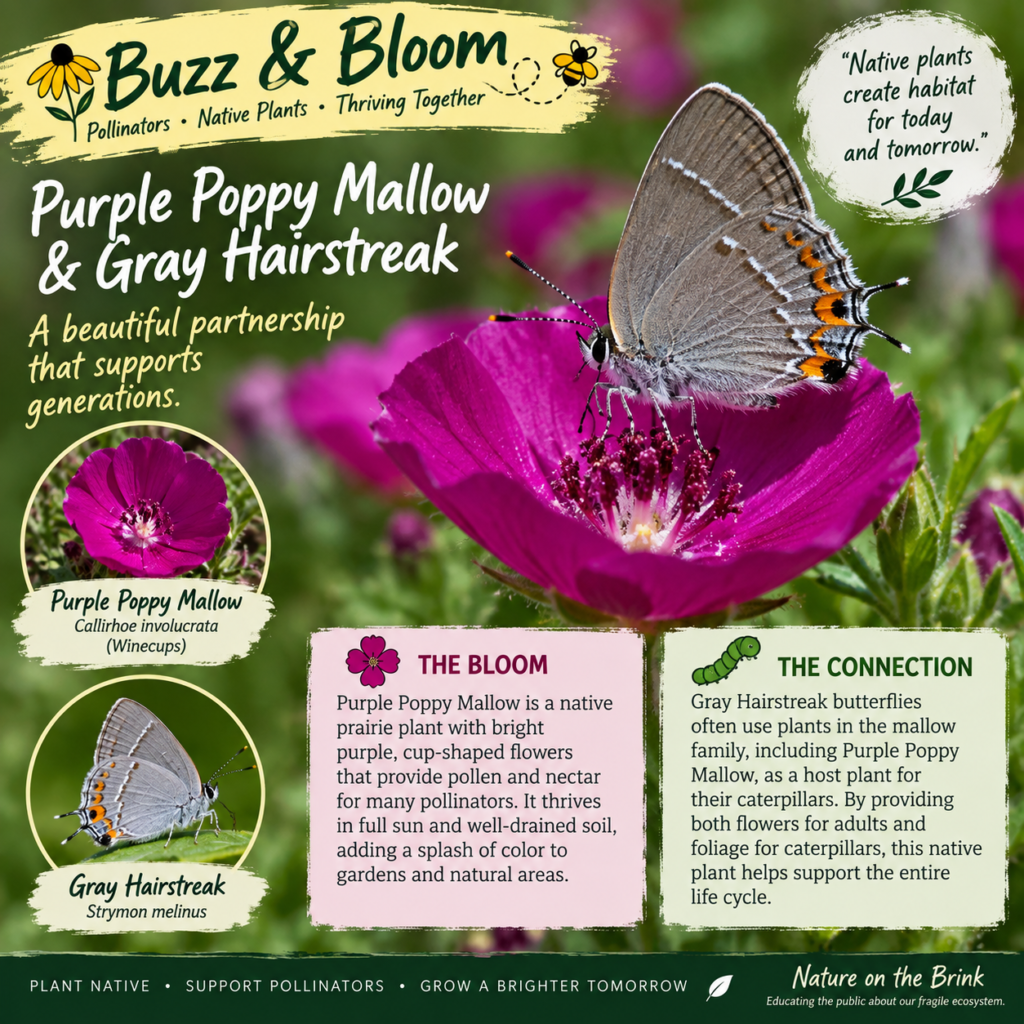
What happens when a beautiful native wildflower provides more than just a meal? Meet Purple Poppy Mallow (Callirhoe involucrata), also known as Winecups, and one of the butterflies that can
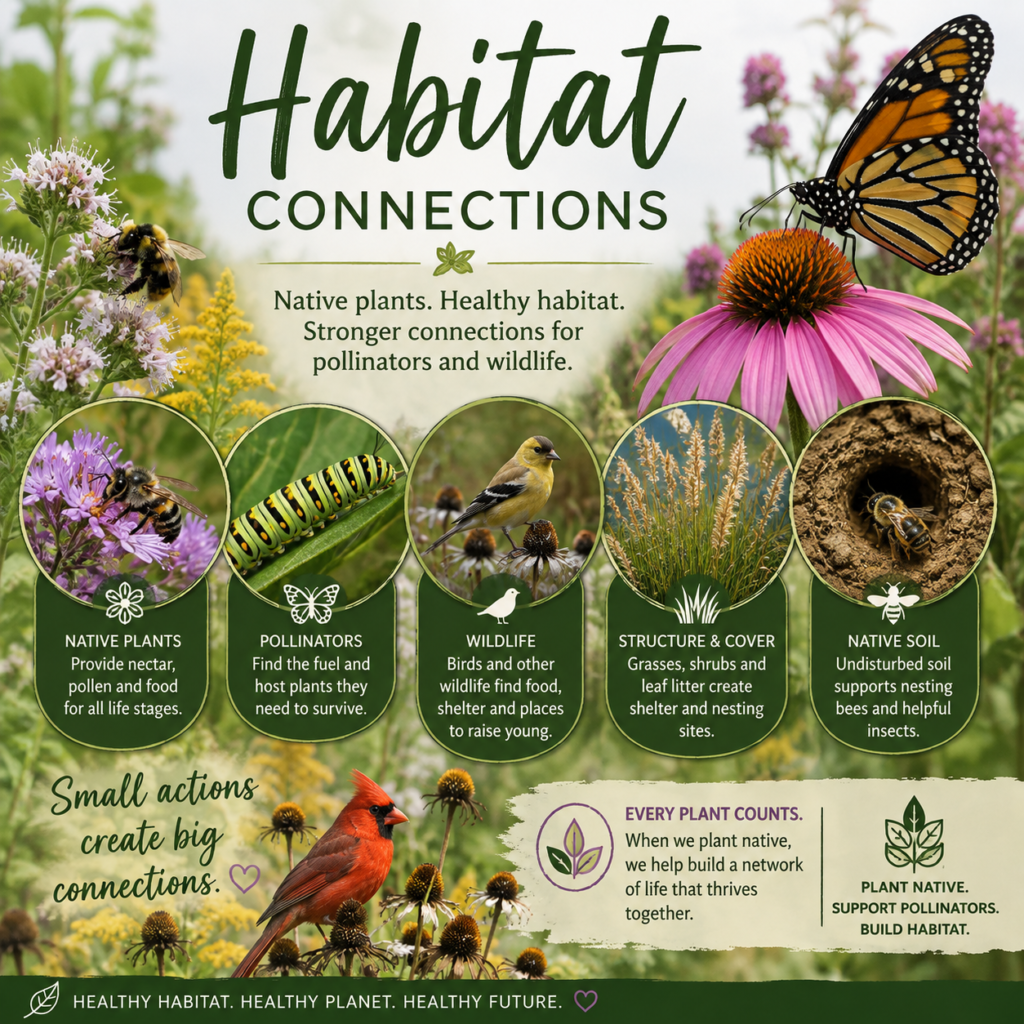
When we think about wildlife habitat, colorful wildflowers, shrubs, and trees often get all the attention. But look a little closer at a patch of native grasses, and you’ll discover