🦋🐝Water for Wildlife 💧🐦
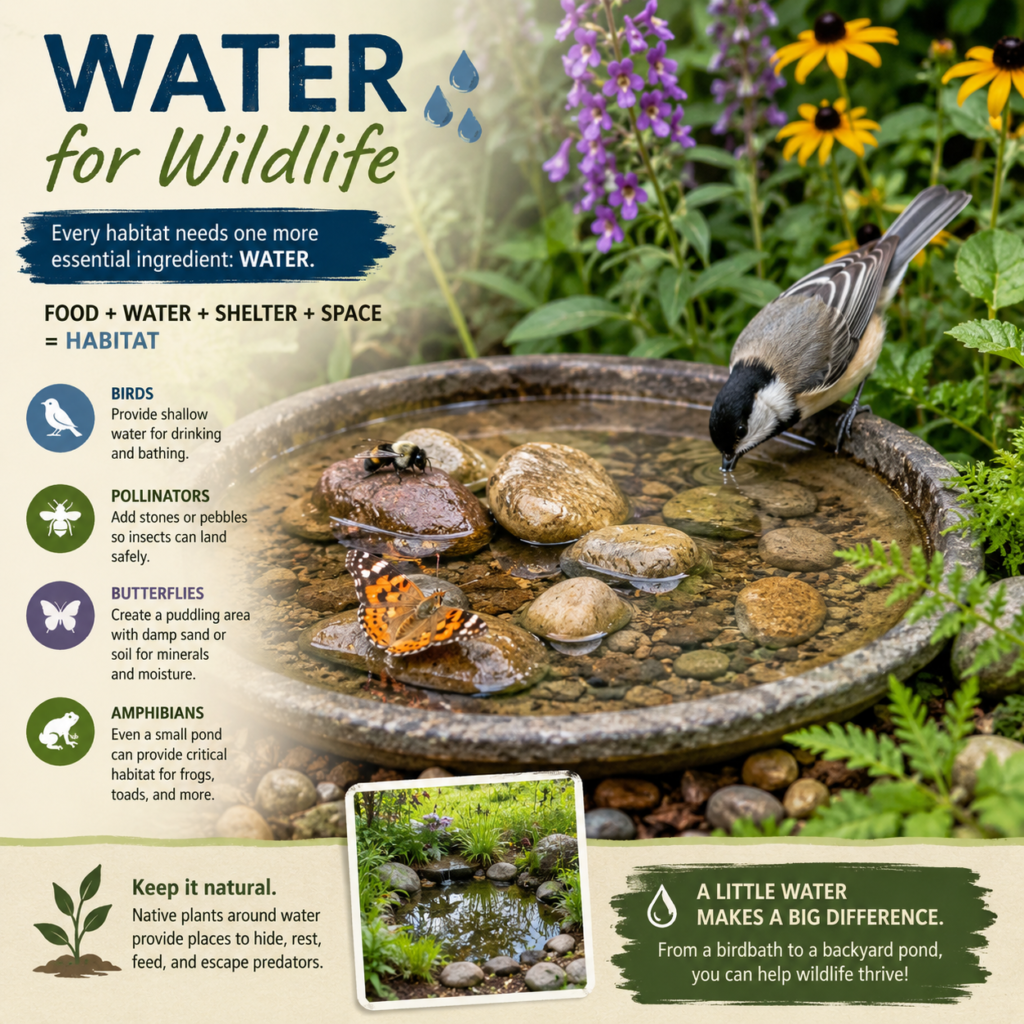
We talk a lot about providing wildlife with native plants, food, and shelter—but every habitat needs one more essential ingredient: Water. 💧 Birds need water for drinking and bathing. Bees

We talk a lot about providing wildlife with native plants, food, and shelter—but every habitat needs one more essential ingredient: Water. 💧 Birds need water for drinking and bathing. Bees
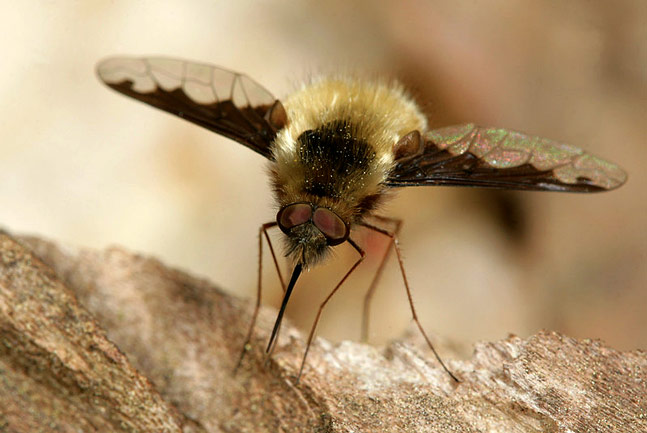
🐝🪰 POLLINATOR SPOTLIGHT: Meet the Bee Fly! Is it a bee? Is it a fly? If you spot a fuzzy little insect hovering over your flowers and extending a surprisingly
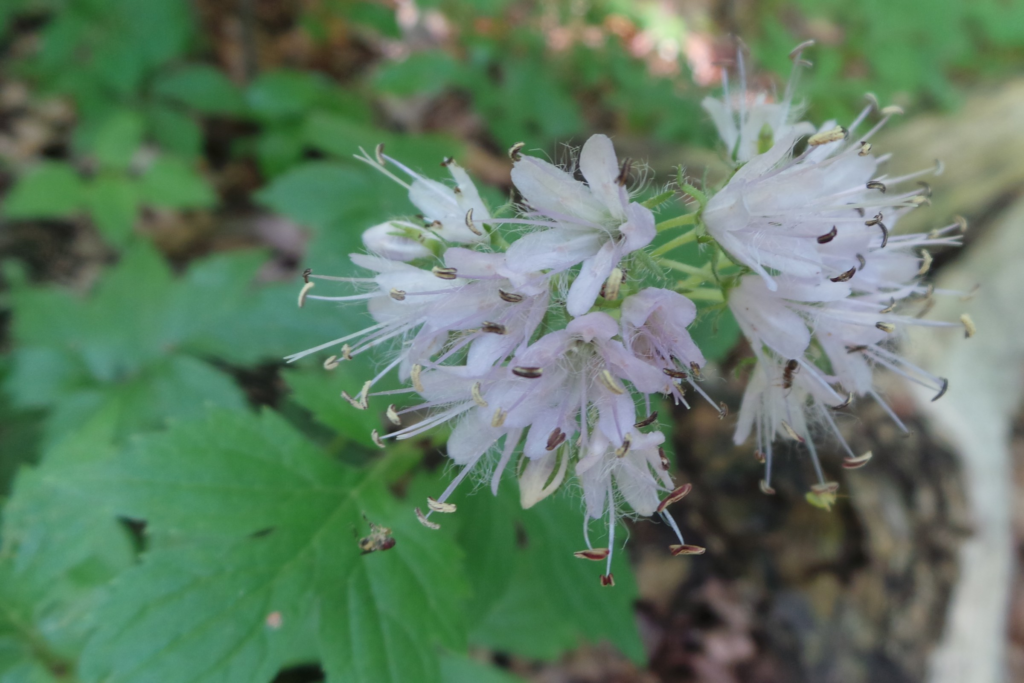
Walk through a rich Eastern woodland in spring and you may encounter a plant that is easy to overlook until you stop and look closely. Its broad green leaves appear
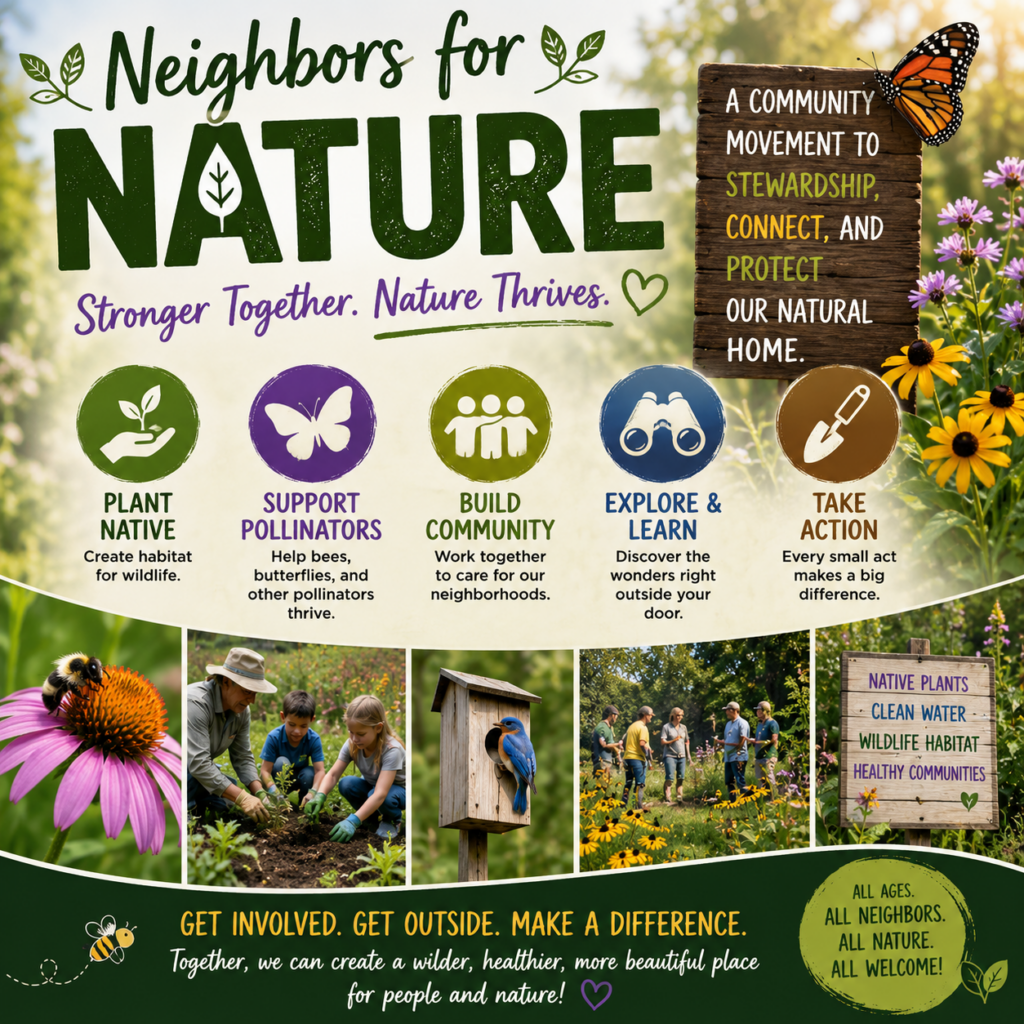
One young leader, one determined Scout troop, and one acre of habitat made for an inspiring conservation success story. Eagle Scout Grisha Driscoll organized and led a two-day habitat restoration
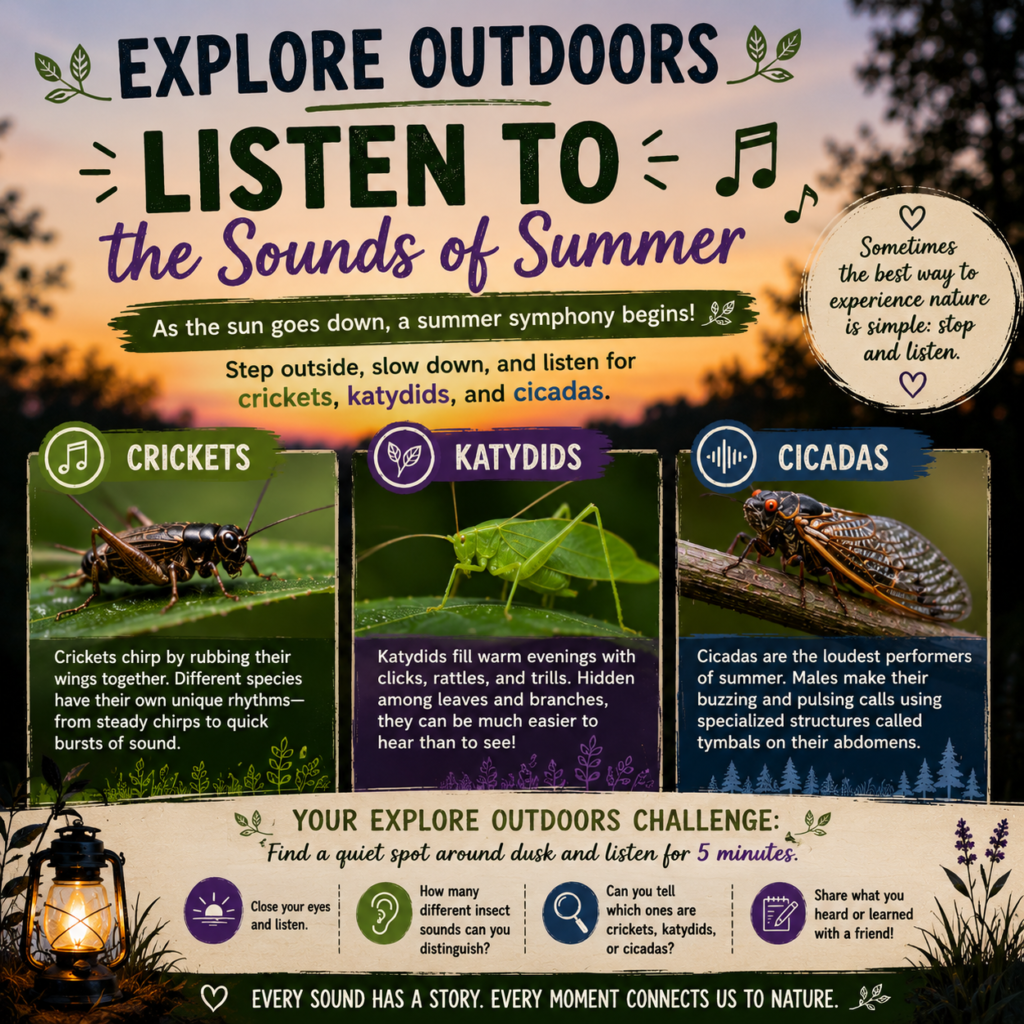
As the sun goes down, nature’s nighttime orchestra begins! Step outside, turn off the distractions, and spend a few minutes listening for crickets, katydids, and cicadas. 🦗 Crickets create their
We’ve explored some fascinating connections in nature recently—from nighttime wildlife and native vines to rattlesnake master and its pollinator visitors. How much do you remember? Test yourself with these 5
We’ve explored some fascinating connections in nature recently—from nighttime wildlife and native vines to rattlesnake master and its pollinator visitors. How much do you remember? Test yourself with these 5
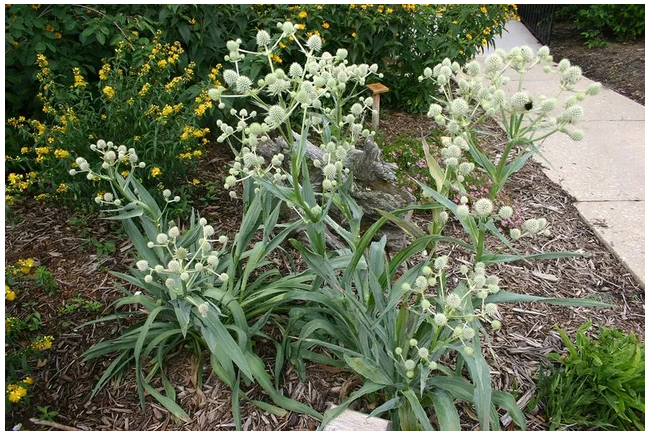
🌿🐝 Rattlesnake Master & the Great Black Wasp 🖤🌿 At first glance, Rattlesnake Master (Eryngium yuccifolium) may not look like a typical wildflower. Its stiff, blue-green leaves and round, pale
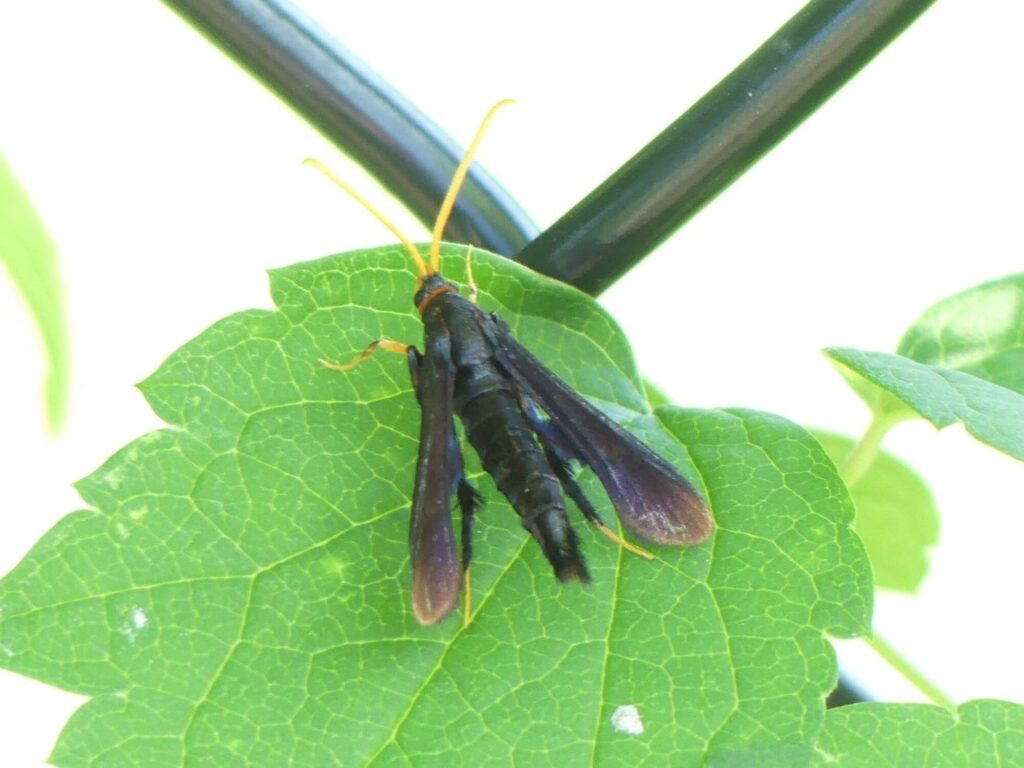
🦋 POLLINATOR SPOTLIGHT: Clematis Clearwing Moth 🌿 At first glance, you might mistake the Clematis Clearwing Moth (Alcathoe caudata) for a wasp! Its slender body and mostly transparent wings are
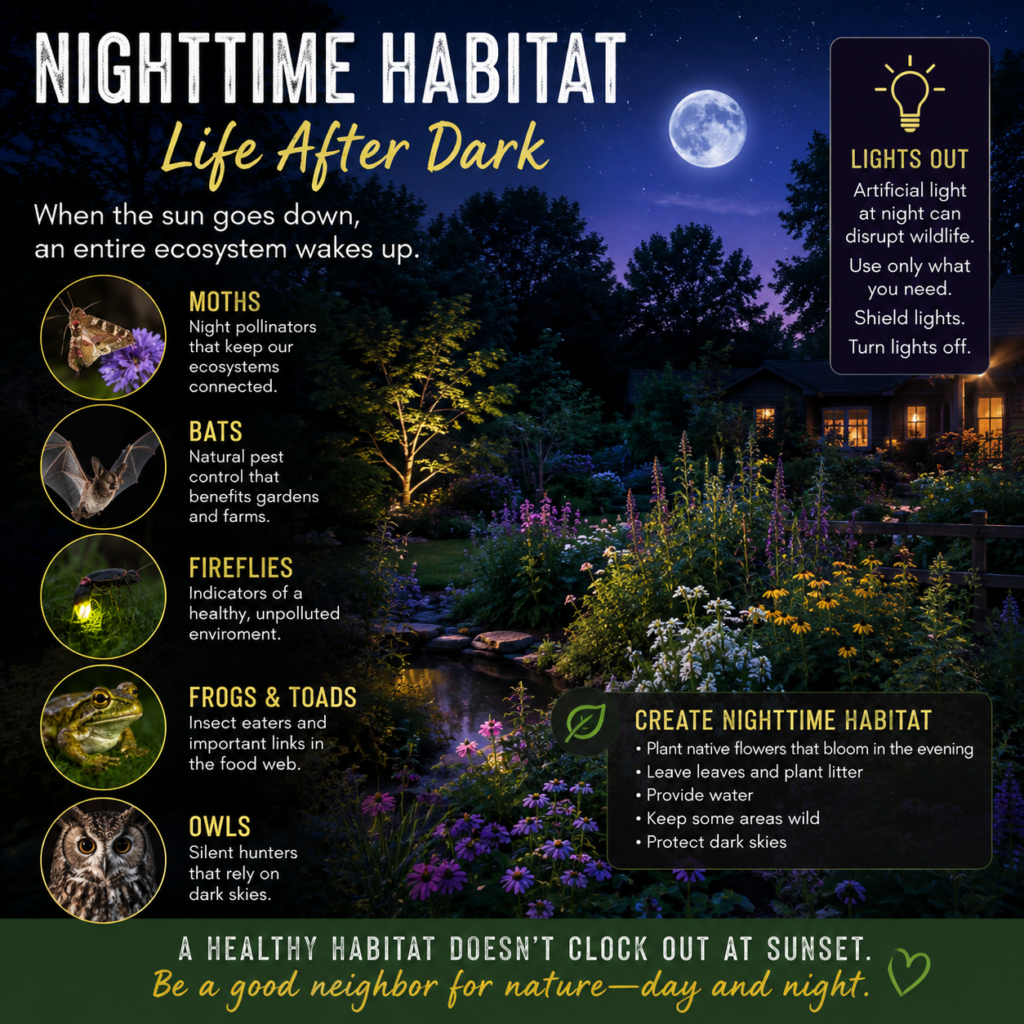
🌙🦇 HABITAT UPDATE: When the Sun Goes Down, the Habitat Wakes Up When we think about wildlife habitat, we often picture what happens during the day—but after sunset, an entirely
🌍🌾 WILDLIFE SUCCESS STORY: The Wildebeest That Helped Restore the Serengeti Sometimes restoring a single species can help restore an entire ecosystem. The blue wildebeest is a keystone species of
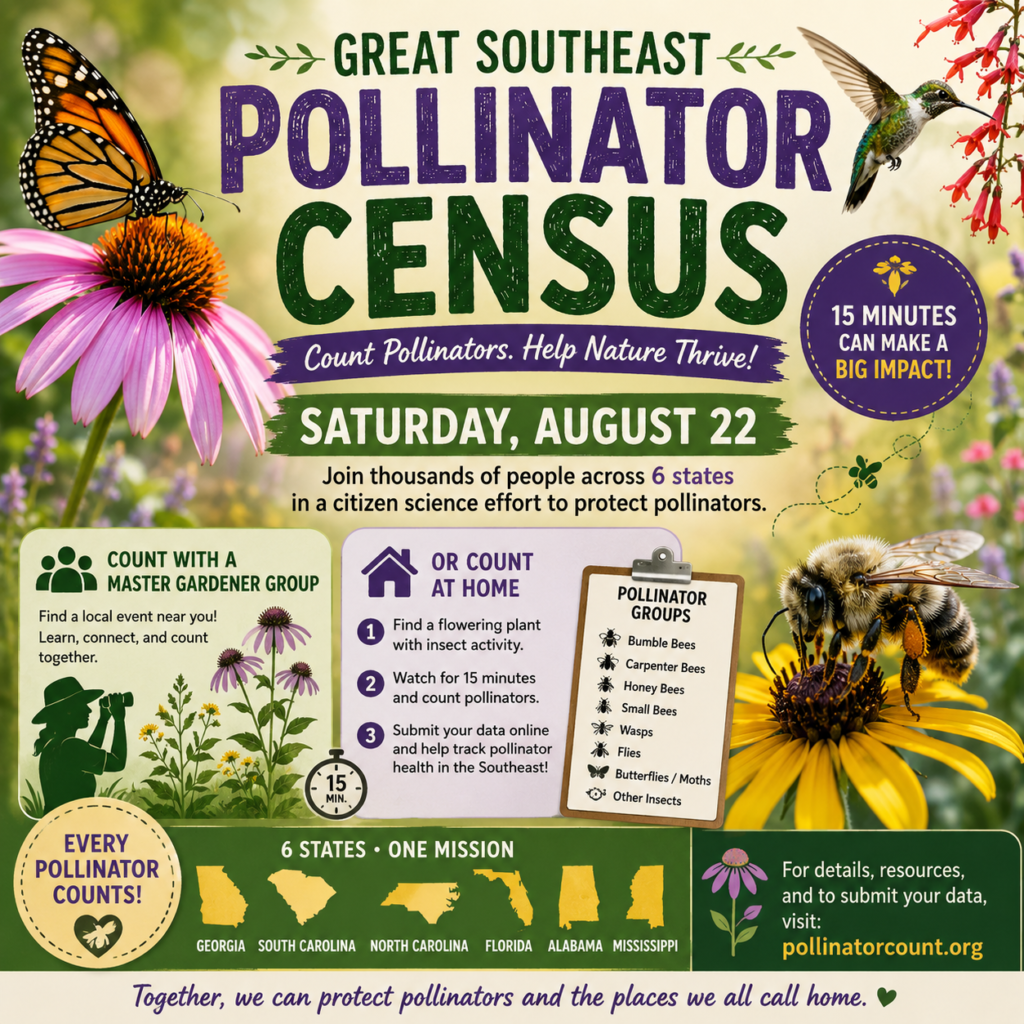
🐝🦋 THE SOUTHEAST IS COUNTING—WILL YOU JOIN US? 🌸 This Saturday, August 22, people across six states will be watching the flowers and counting the pollinators that keep our landscapes