Pollinator/Wildlife Spotlife
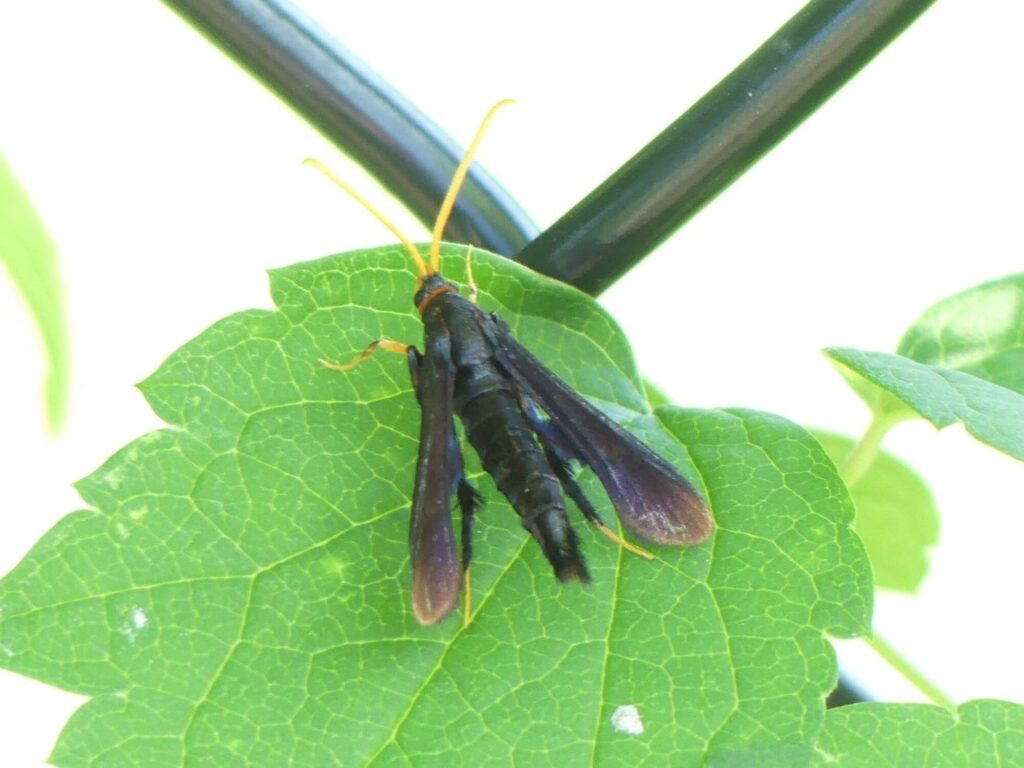
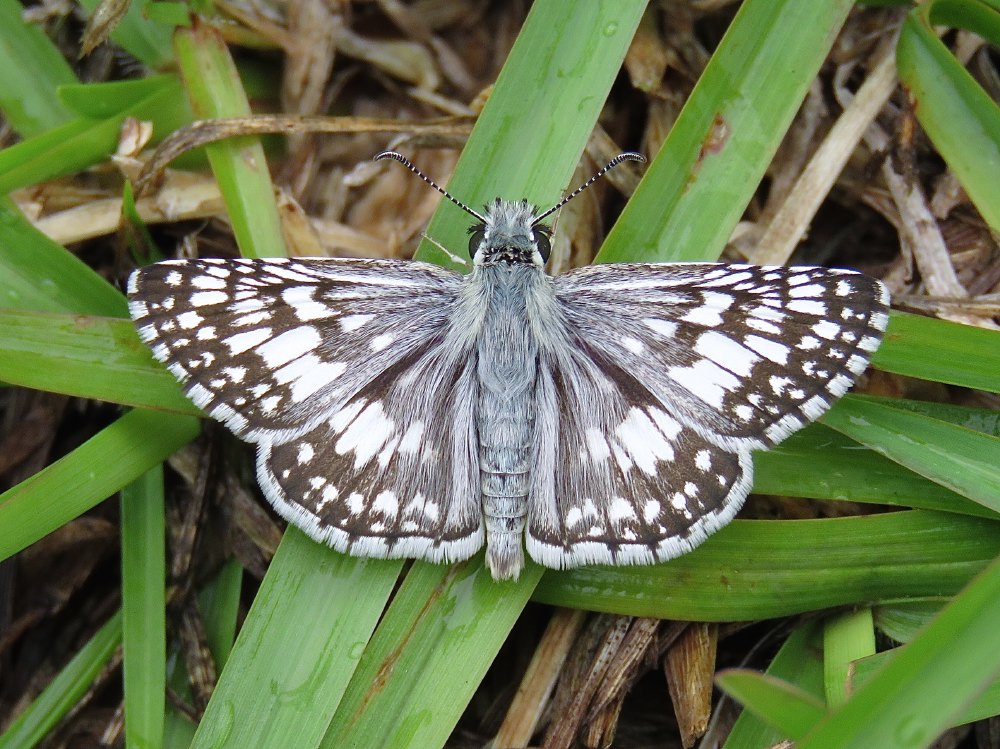
🦋 POLLINATOR SPOTLIGHT: Clematis Clearwing Moth 🌿 At first glance, you might mistake the Clematis Clearwing Moth (Alcathoe caudata) for a wasp! Its slender body and mostly transparent wings are […]
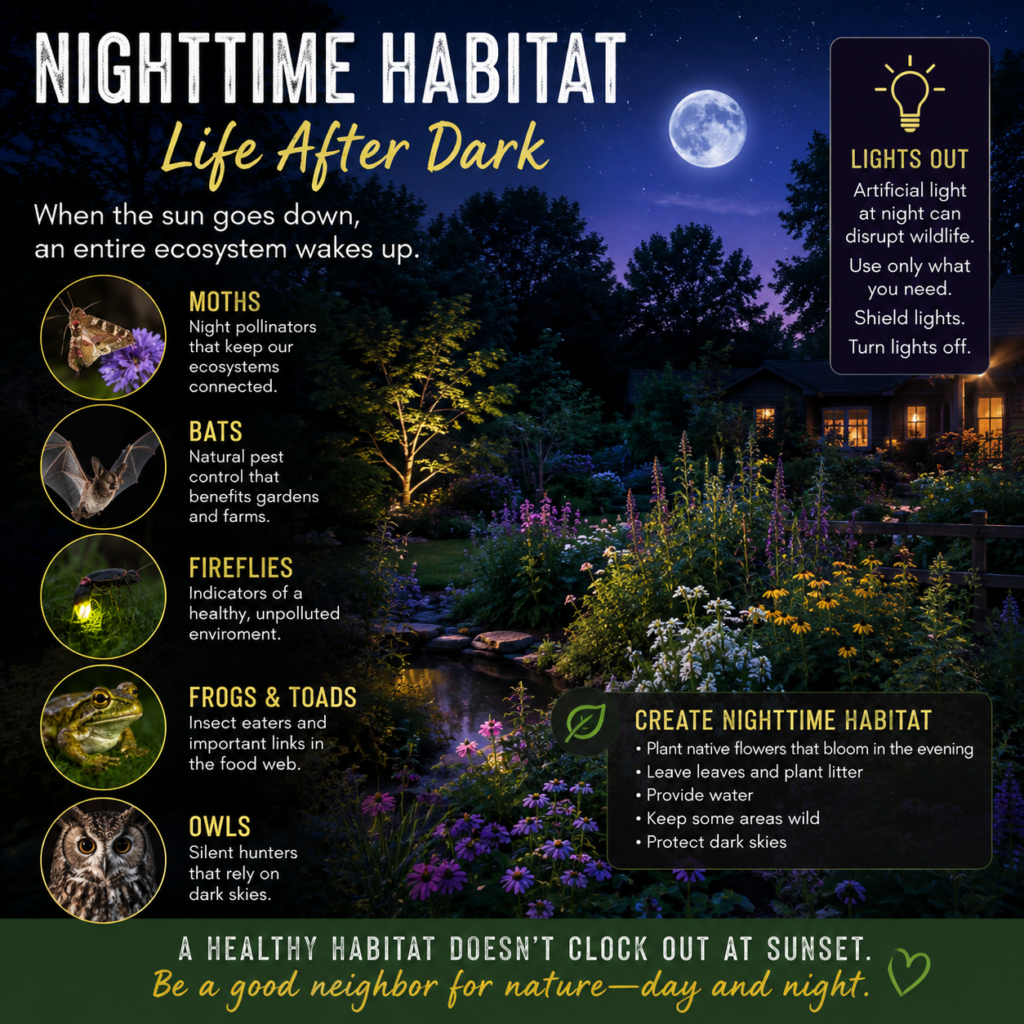
🌙🦇 HABITAT UPDATE: When the Sun Goes Down, the Habitat Wakes Up When we think about wildlife habitat, we often picture what happens during the day—but after sunset, an entirely
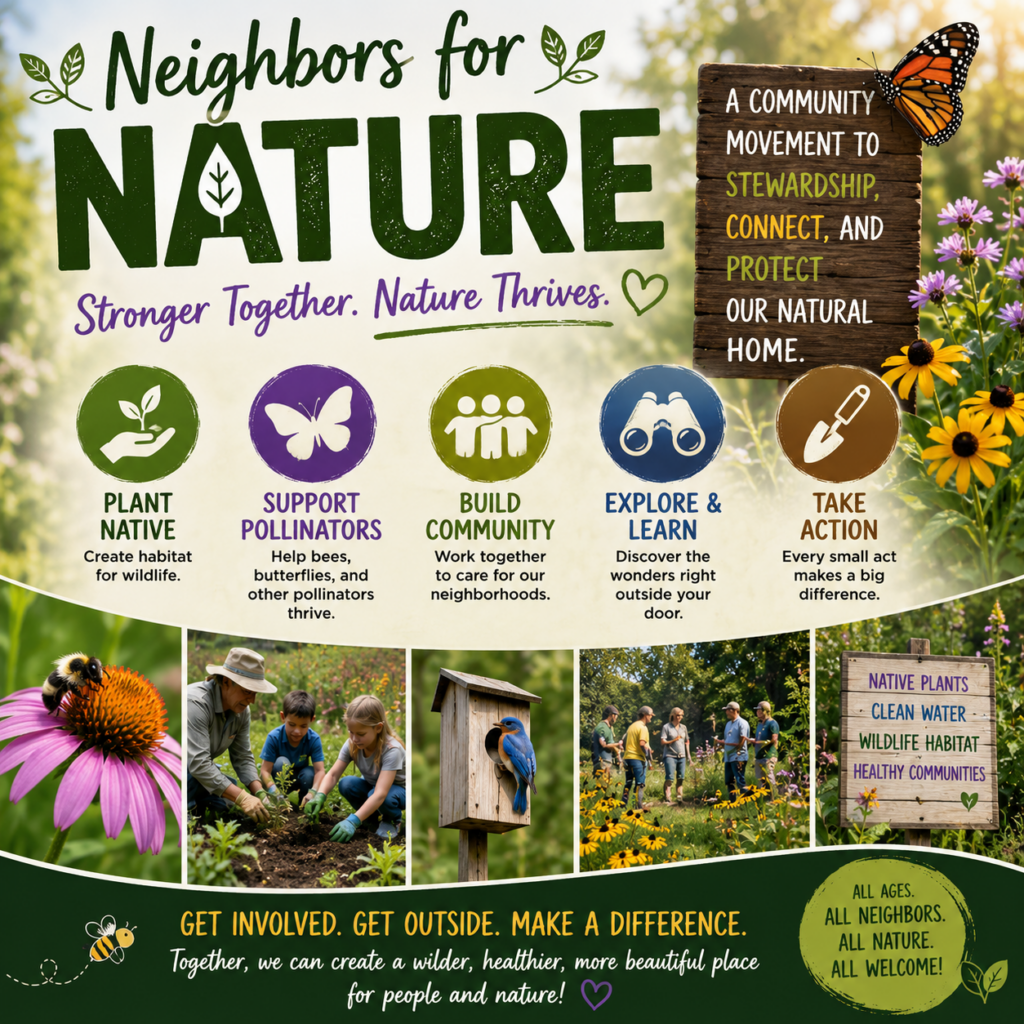
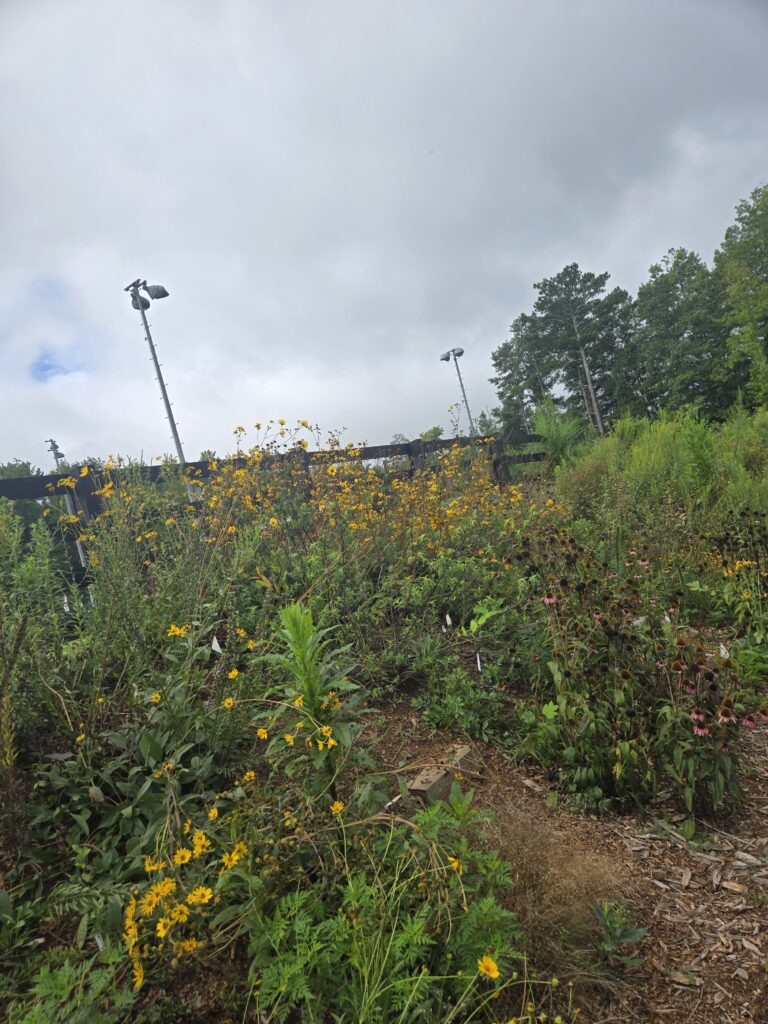
What if transforming just 50 square feet of your yard could help create a network of habitat for birds, butterflies, bees, and other wildlife? That’s the idea behind Nature Neighbors—a
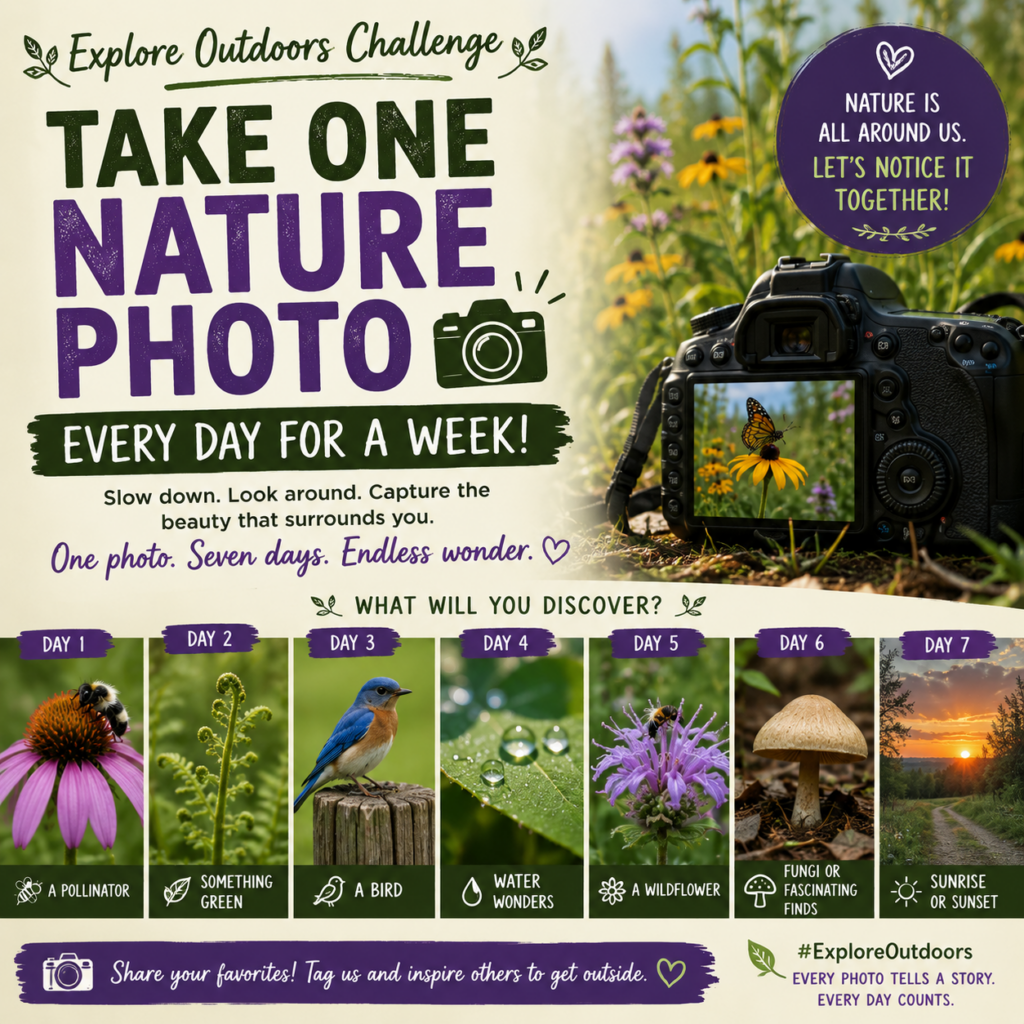
Nature is full of incredible moments—you just have to pause long enough to notice them. This week’s challenge is simple:🌼 Take one nature photo every day for seven days. Your
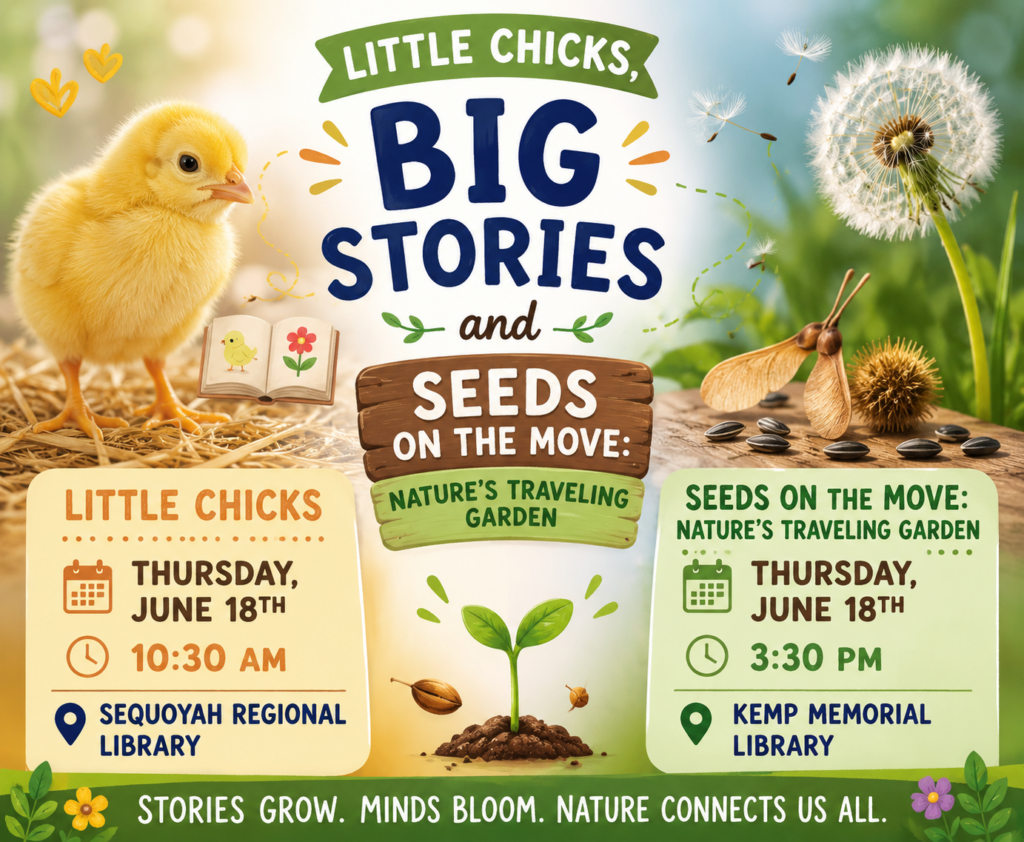
Little Chicks, Big Stories is a fun and engaging preschool program that introduces young children to the wonderful world of chickens through stories, songs, movement, and hands-on learning. Children will
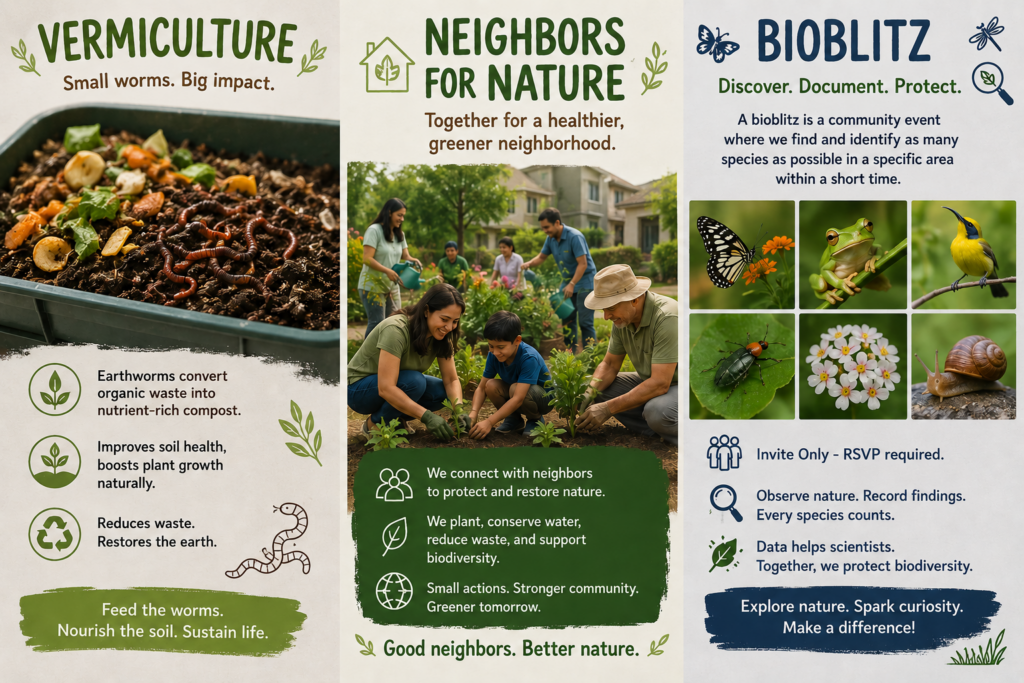
Vermiculture: or How to Raise Worms In-Person Learn about the creatures beneath the dirt! Join us for a presentation by Southeastern Grasslands Institute about vermiculture, the process of using worms to
Discover how prairie strips can transform ordinary landscapes into vibrant habitat for pollinators, birds, and wildlife while improving soil and water health. In *The Living Edge: Prairie Strips in the
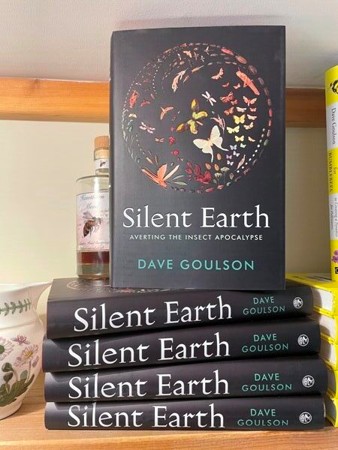
Mr. Goulson takes us through the causes of insect decline. He suggests ways we can support insects. Check your local library, Thrift Books, or Amazon to obtain a copy
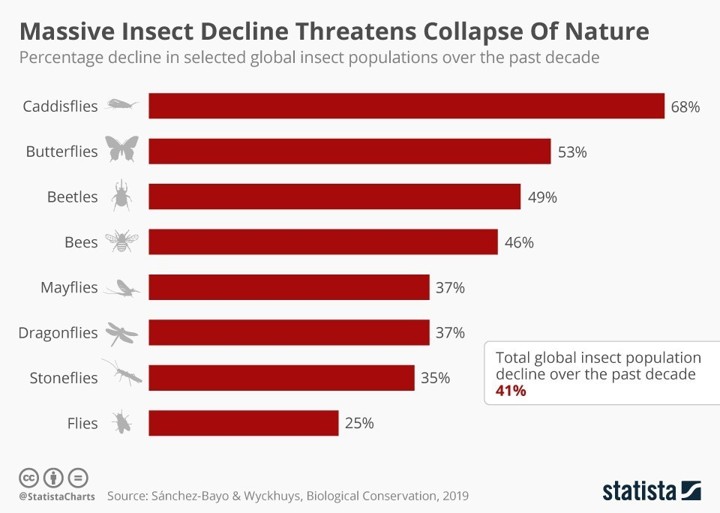
Insect populations continue to decline by a rate of 2.5%/year. https://www.unep.org/news-and-stories/story/insect-declines-are-stark-warning-humanity#:~:text=Many%20people%20think%20of%20insects,without%20them%20we%20are%20doomed.
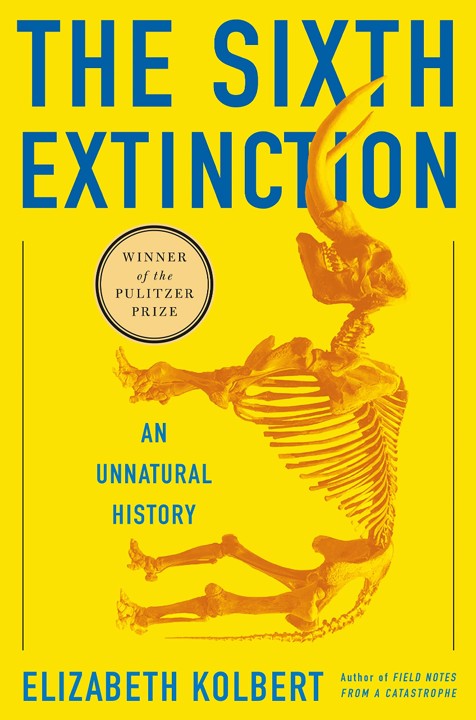
We are possibly living the sixth extinction. Elizabeth Kolbert explores this potention loss in her book ‘The Sixth Extinction’. She investigates the prior five extinctions and talks with world experts
Crazy plant ladies who followed their passion with the environment and made history. Become a crazy plant lady!
Metals in honey from bees can potentially be used to detect pollution levels. https://www.sciencedirect.com/science/article/pii/S0269749124019389 It’s going to take all of us.