Bees Declared Important Species on Earth
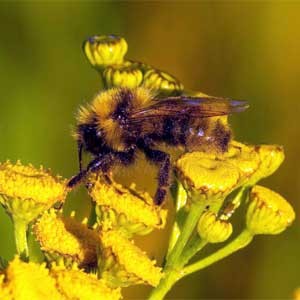
The Earth Watch Institute declared bees necessary for every other being on earth. The Royal Geographical Society has declared the loss of bees by 90%. Without bees and other pollinators,
The Earth Watch Institute declared bees necessary for every other being on earth. The Royal Geographical Society has declared the loss of bees by 90%. Without bees and other pollinators,
From July 16–19, 2025, Western Carolina University in Cullowhee, NC hosted the annual Cullowhee Native Plant Conference, drawing botanists, conservationists, educators, nursery professionals, and plant enthusiasts from across the Southeast
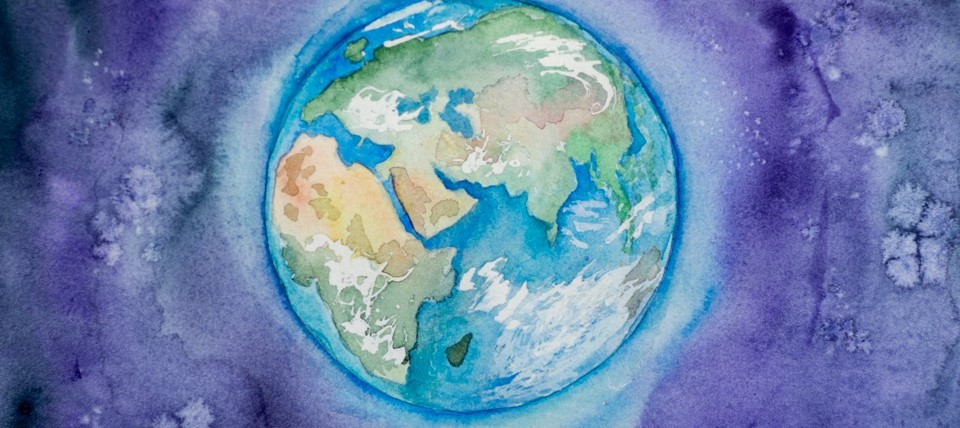
E. O. Wilson, the father of sociobiology, suggests protecting half the Earth, and living on the other half. The conservation community should aim for a big goal instead of incremental
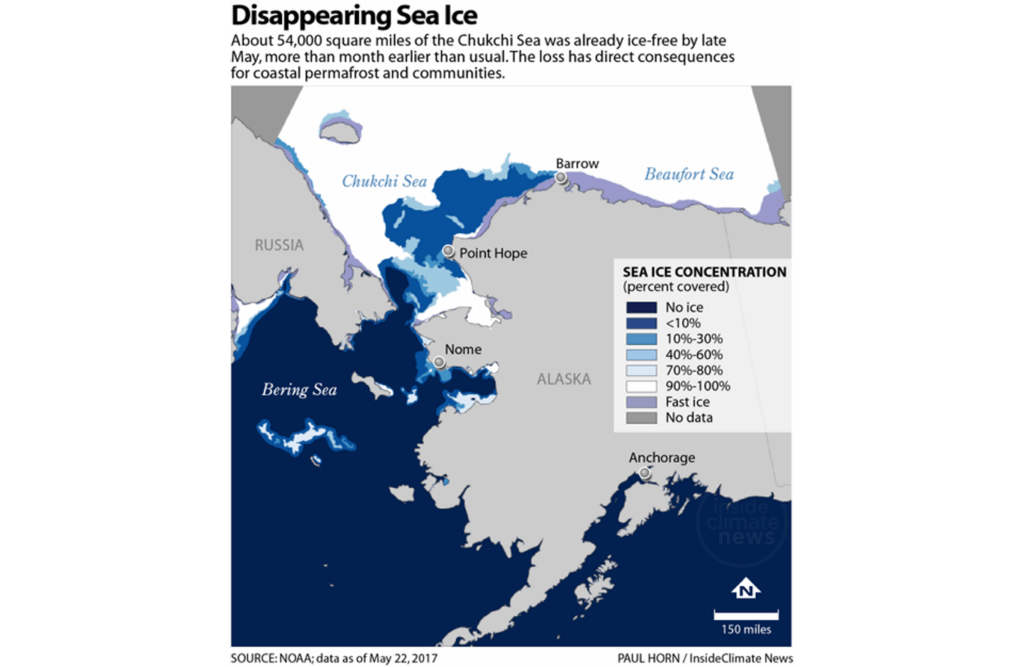
Iceland held a funeral for its first lose glacier. Greenland scientists are stunned at the rapid ice melt. Alaska’s sea ice melt occurred earlier than in previous years. Food insecurity
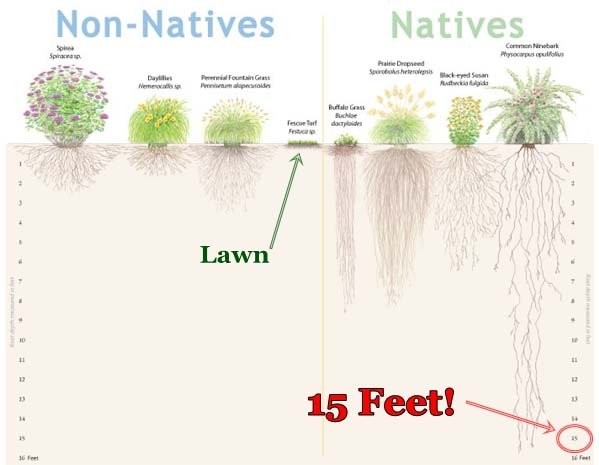
Insects can only lay eggs on native plants. Insects are the keystone species for all life on earth. Native plants are necessary to save wildlife and ourselves. https://www.npr.org/transcripts/1198908440

All believe climate change is real. These young adults are connecting with each other on social media. They are sharing their stories with each other and the world. Each come

Earth’s oceans are at increasing stress due to warmer waters, more acidic, and less oxygen-rich. Marine ecosystems are threatened by plastic waste, unsustainable fishing practices, and other human stresses by
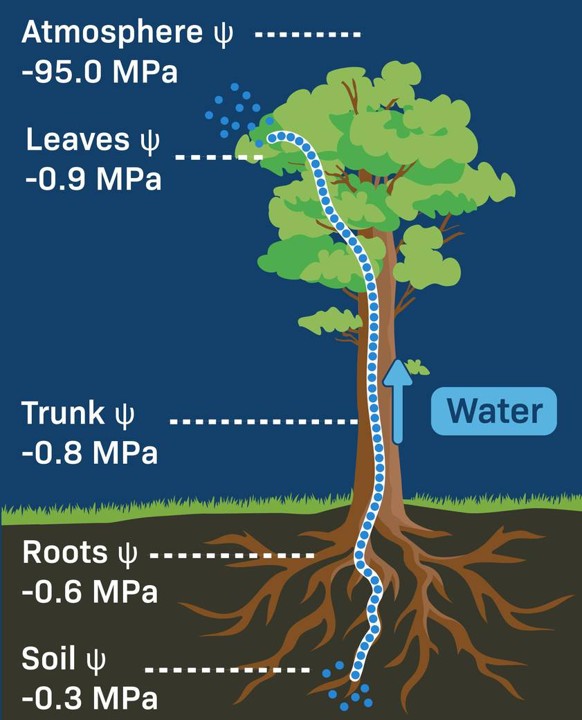
Scientists are conducting studies on trees to determine how water moves through trees. Many believe trees passively draw water into their system as leaves become thirsty. New research shows trees
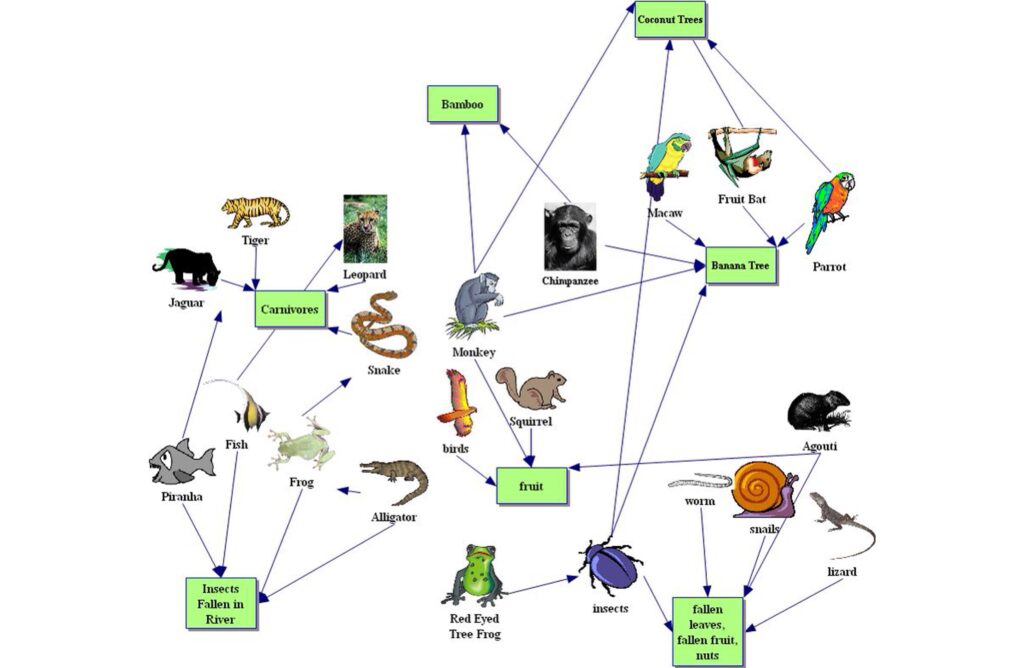
Climate change is causing insects to decline in the rain forest. German scientists estimate a 75% insect decline in German nature preserves. Scientists estimate 4 million insects remain unrecorded. The
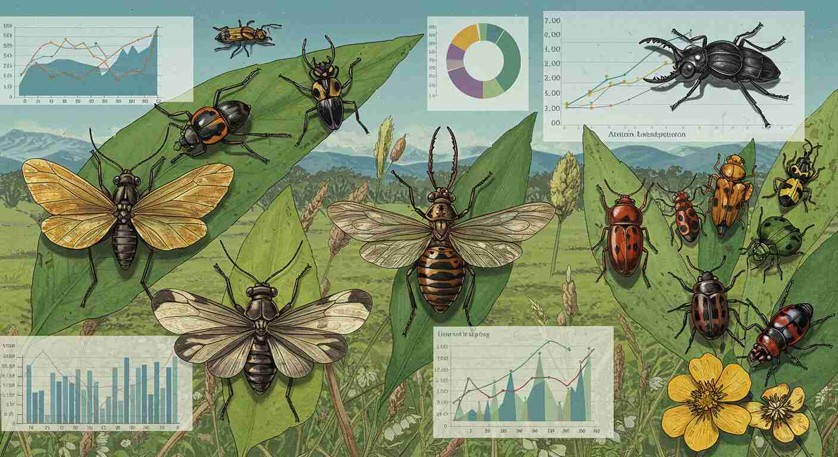
Extinction of 40% of the world’s insect population over the next few decades in inching closer. Habitat loss, pollution, and biologic factors continue to contribute to insect’s demise. Remediation technologies,
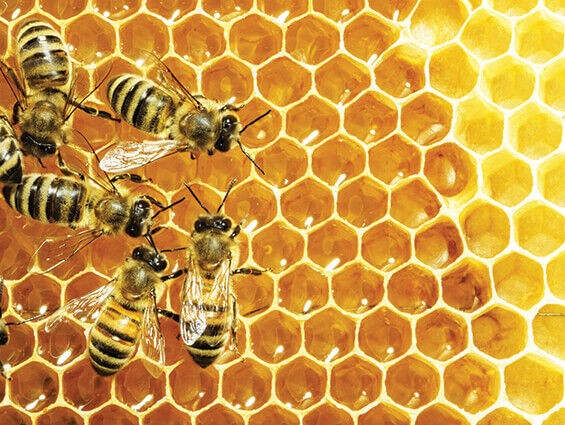
States are key actors in decisions affecting pollinators. Pollinators are the keystone species for the planet’s survival. Pollinators continue to experience a decline. Pollinators are responsible for one of every
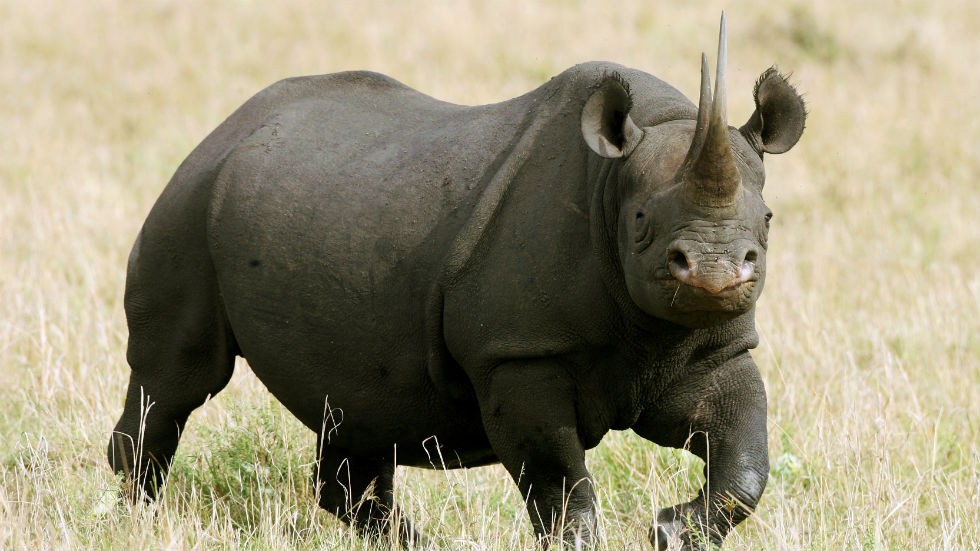
World Wildlife Fund conservationists were delighted to discover a new black rhino calf among a recently relocated black rhino group. Black Rhino Range Expansion Project (BRREP) has been diligently working