Pollinator/Wildlife Spotlife
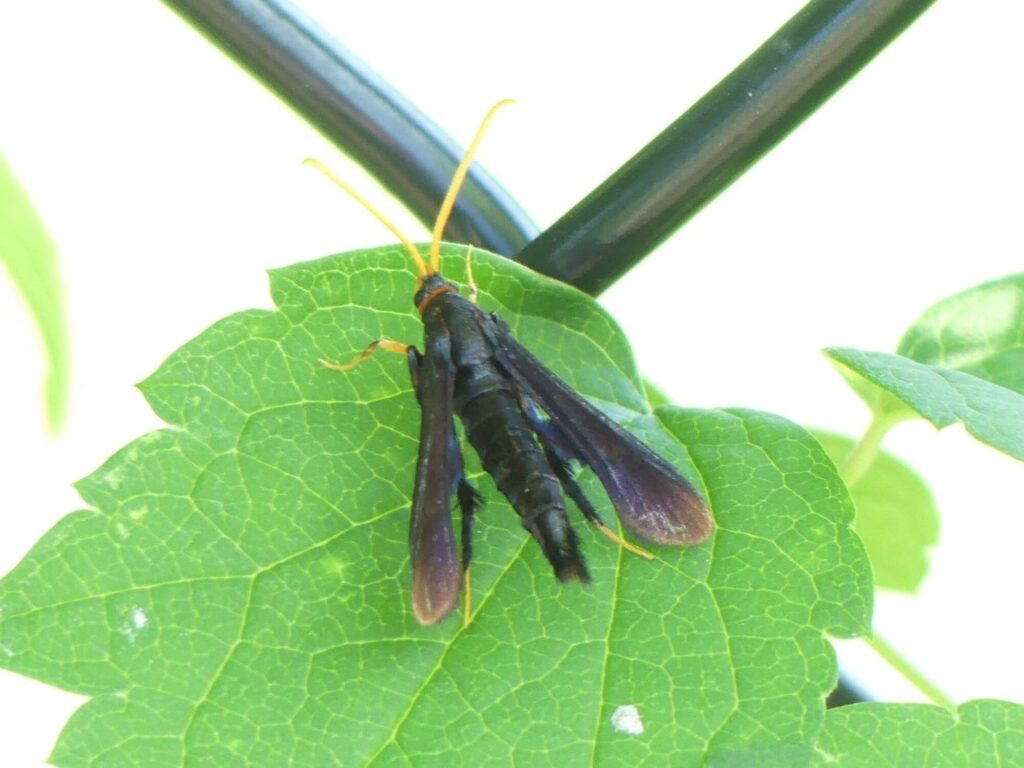
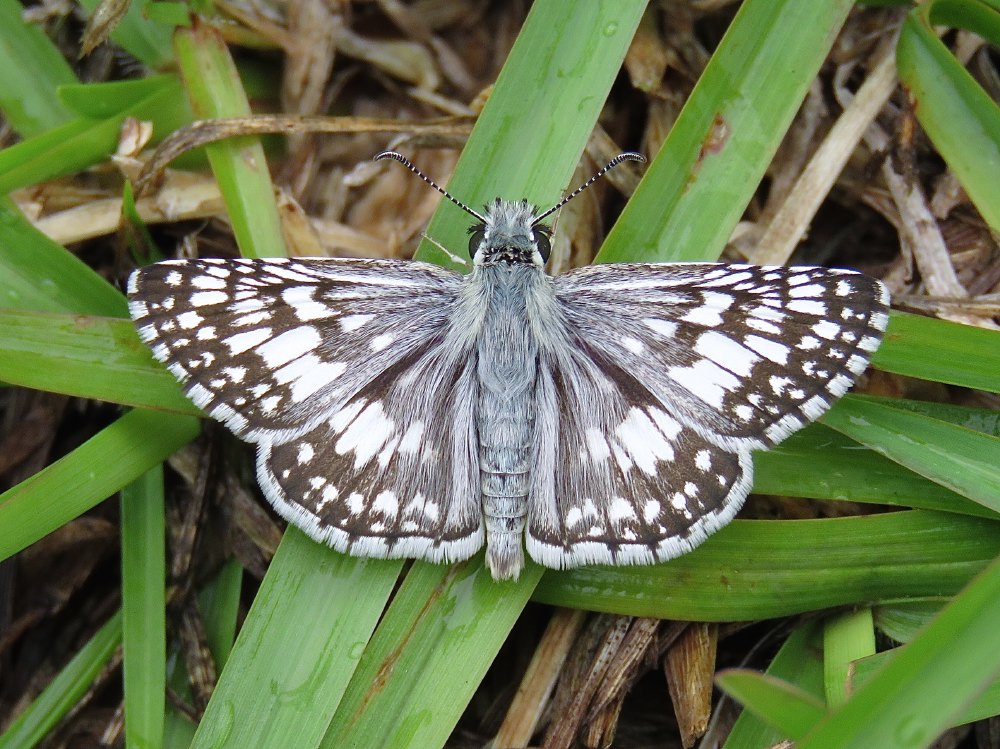
🦋 POLLINATOR SPOTLIGHT: Clematis Clearwing Moth 🌿 At first glance, you might mistake the Clematis Clearwing Moth (Alcathoe caudata) for a wasp! Its slender body and mostly transparent wings are […]
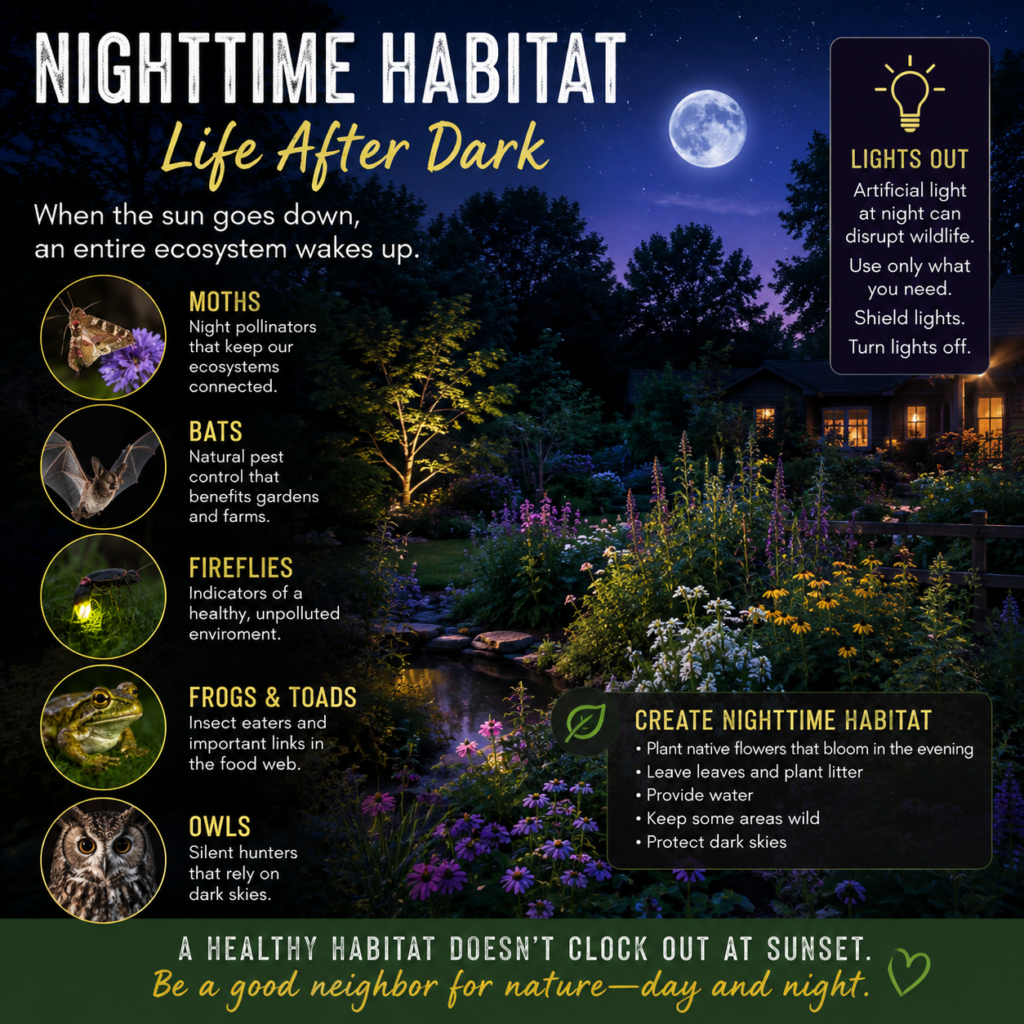
🌙🦇 HABITAT UPDATE: When the Sun Goes Down, the Habitat Wakes Up When we think about wildlife habitat, we often picture what happens during the day—but after sunset, an entirely
What if transforming just 50 square feet of your yard could help create a network of habitat for birds, butterflies, bees, and other wildlife? That’s the idea behind Nature Neighbors—a
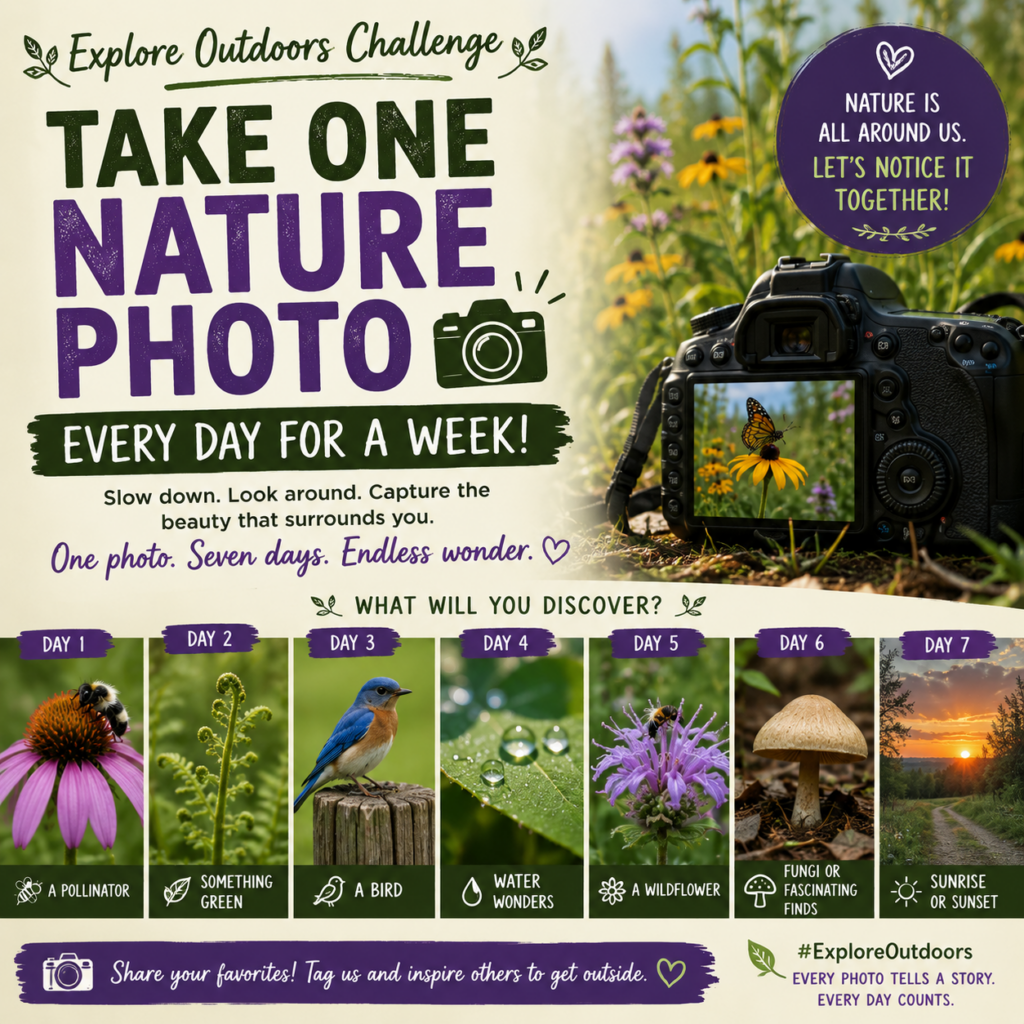
Nature is full of incredible moments—you just have to pause long enough to notice them. This week’s challenge is simple:🌼 Take one nature photo every day for seven days. Your
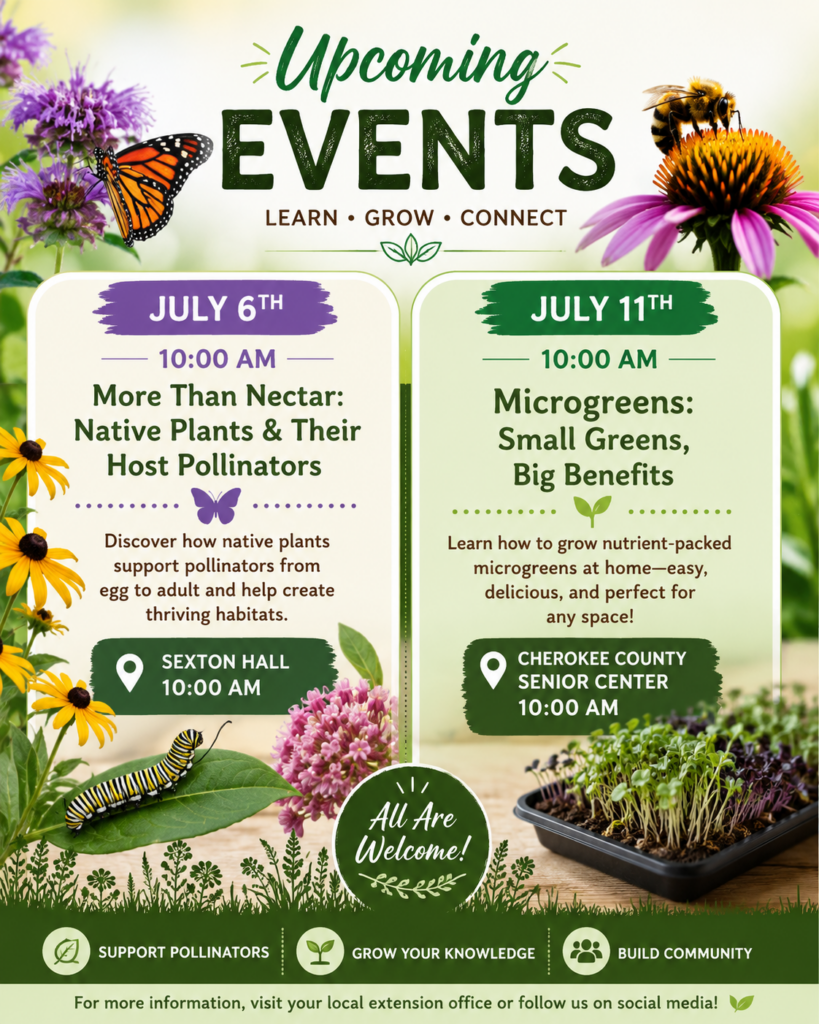
Native Plants and Their Host Pollinators Monday, July 6th Sexton Hall 2115 Chloe Rd. Cumming, GA 30041 10:00 AM EST Microgreens Saturday, July 11th Cherokee County Senior Center 1001 Univeter
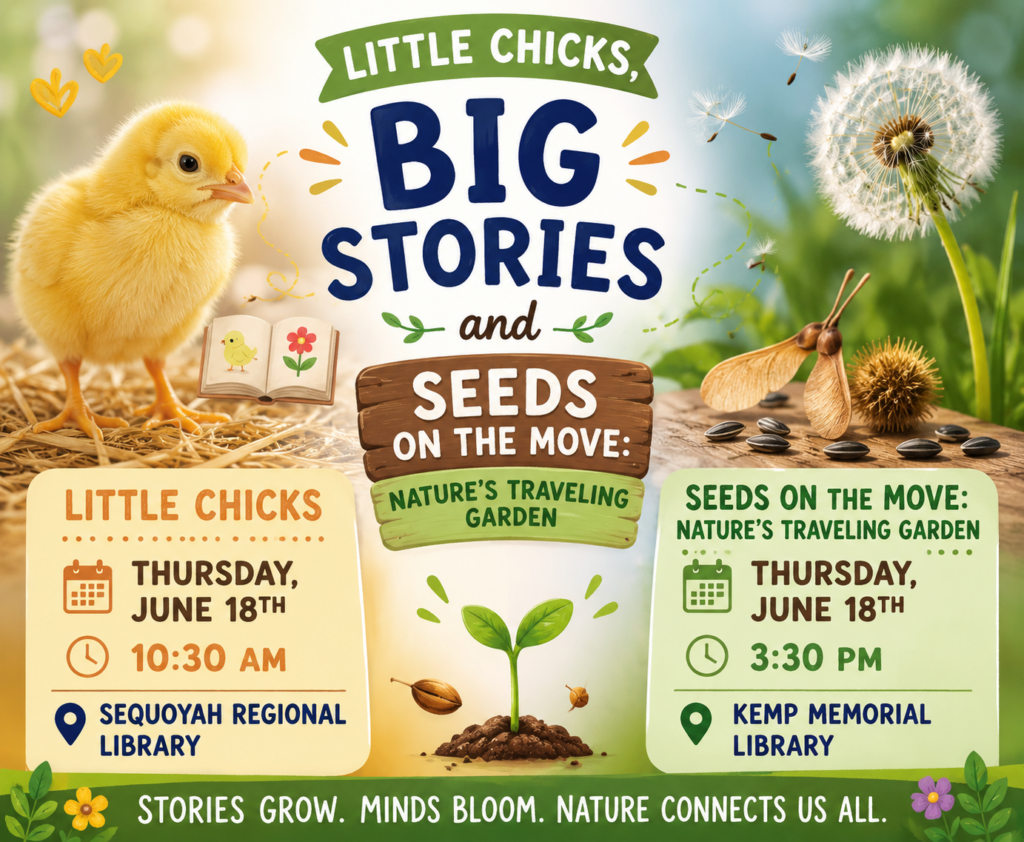
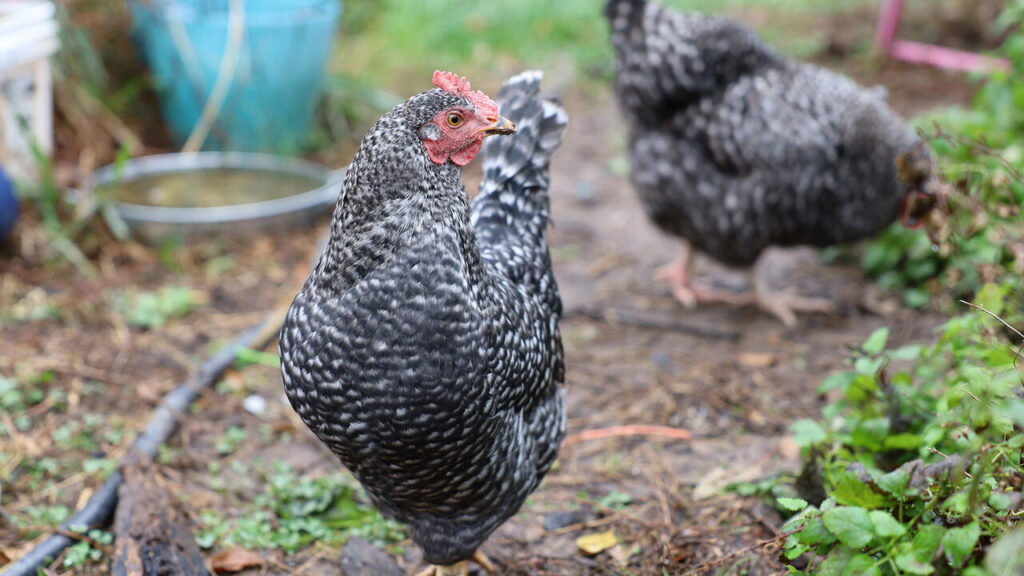
Little Chicks, Big Stories is a fun and engaging preschool program that introduces young children to the wonderful world of chickens through stories, songs, movement, and hands-on learning. Children will
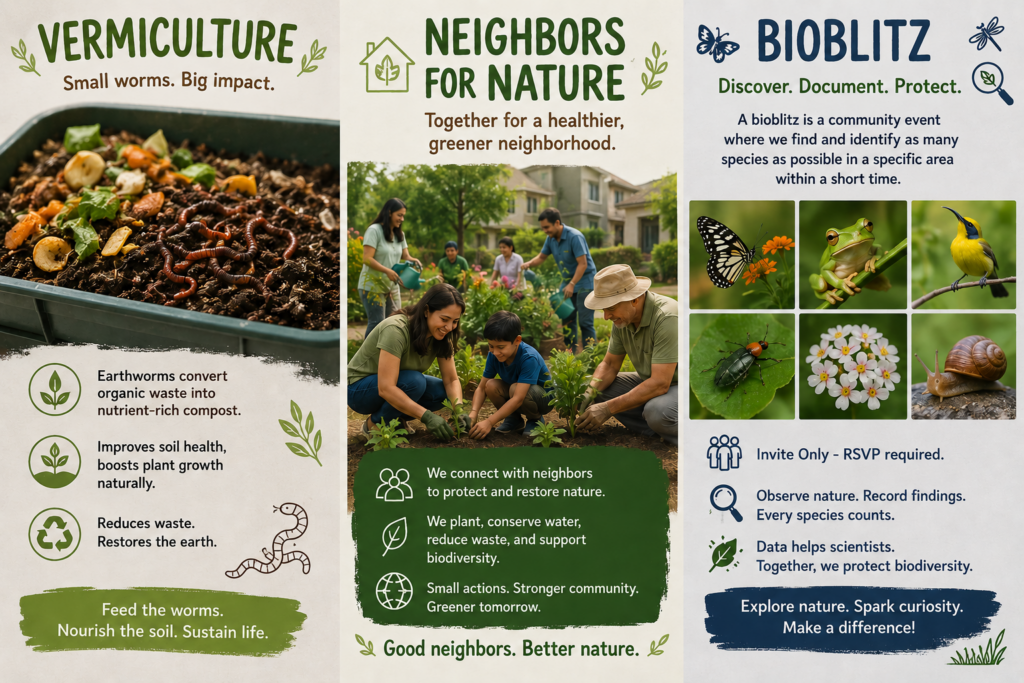
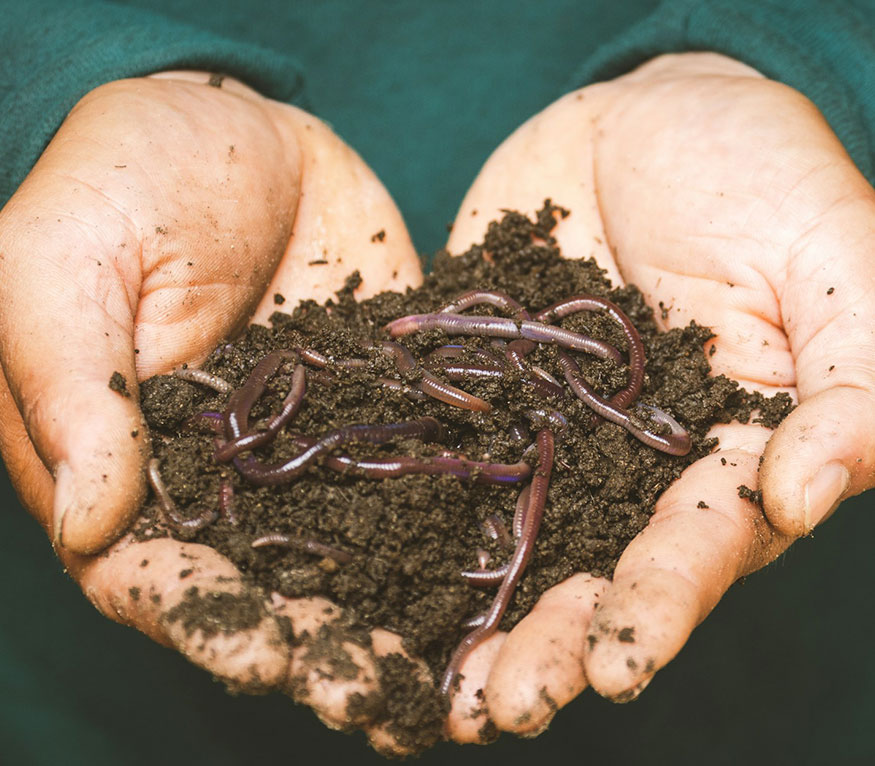
Vermiculture: or How to Raise Worms In-Person Learn about the creatures beneath the dirt! Join us for a presentation by Southeastern Grasslands Institute about vermiculture, the process of using worms to
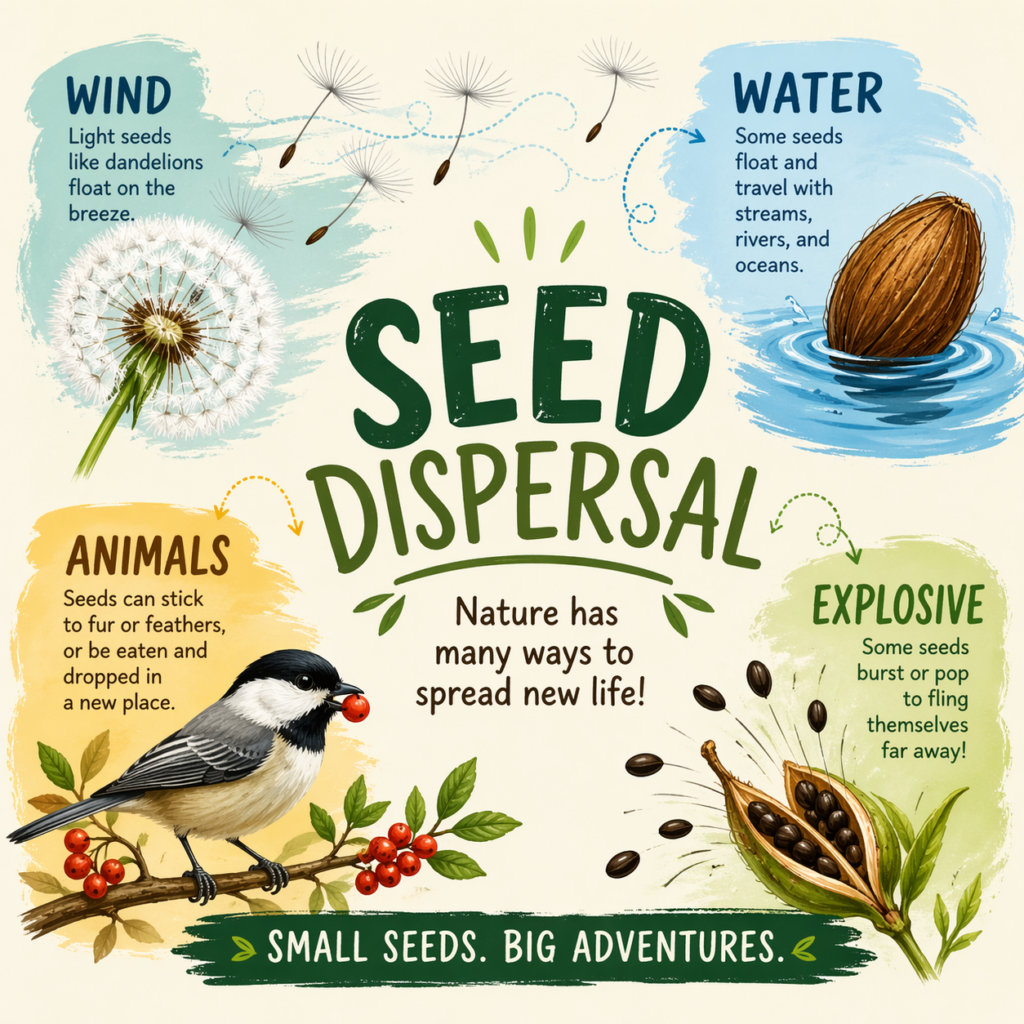
Discover how plants travel without ever moving their roots in this fun, hands-on library program all about seed distribution! School-age participants will explore the amazing ways seeds spread—by wind, water,
Chicken Storytime with SGI! In-Person Join us for a special storytime and activity with our friend Ms. Jodi from the Southeastern Grasslands Institute! Children must be accompanied by an adult.
Vermiculture: or How to Raise Worms In-Person Learn about the creatures beneath the dirt! Join us for a presentation by Southeastern Grasslands Institute about vermiculture, the process of using worms to
Neonics caused sparrows to drop a quarter of their body weight in three days. Sparrows eating pesticide laden seeds lost their ability to travel north. Affected sparrows lingered two to
Bird biodiversity is declining. There is a 29% total bird decline since 1970. Birds are a critical part of the living tapestry. When birds decline, pest increases and pollination decreases.