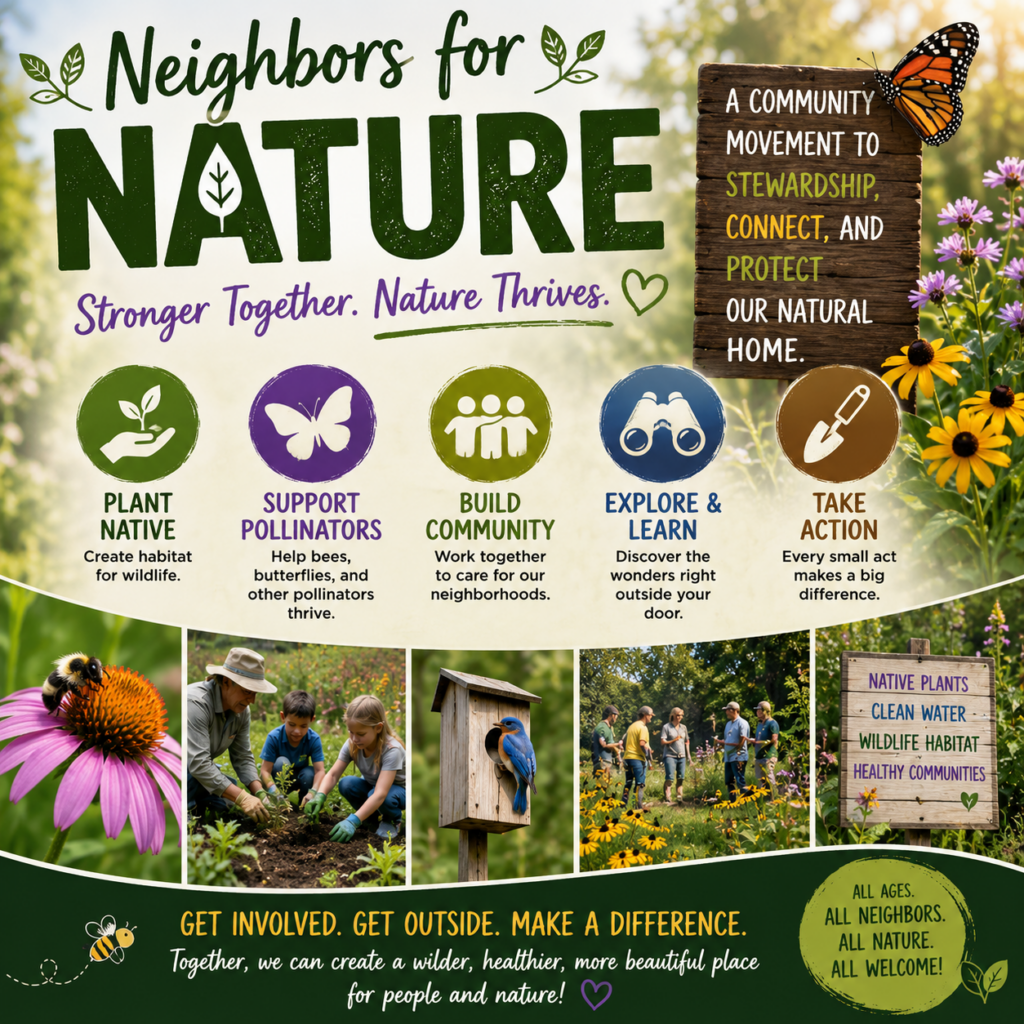
🌿 Neighbors for Nature: Small Homes, Big Impact 🐝
What happens when young people see a problem in nature and decide to do something about it? They become part of the solution. At a Girl Scout day camp in
What happens when young people see a problem in nature and decide to do something about it? They become part of the solution. At a Girl Scout day camp in
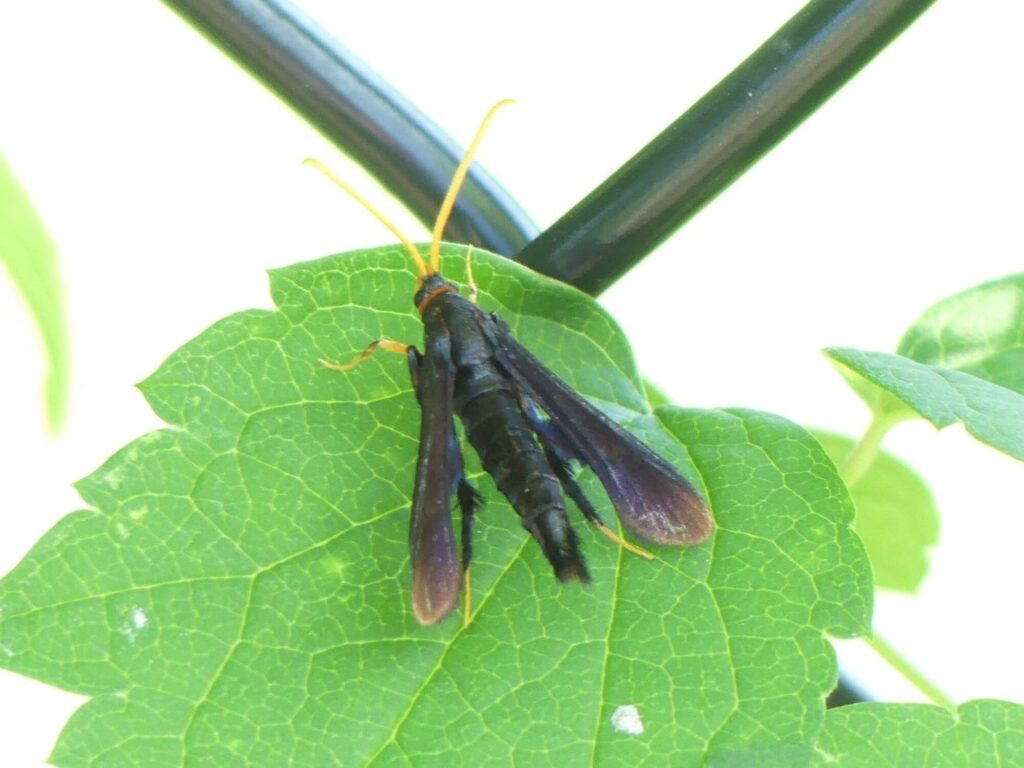
🦋 POLLINATOR SPOTLIGHT: Clematis Clearwing Moth 🌿 At first glance, you might mistake the Clematis Clearwing Moth (Alcathoe caudata) for a wasp! Its slender body and mostly transparent wings are
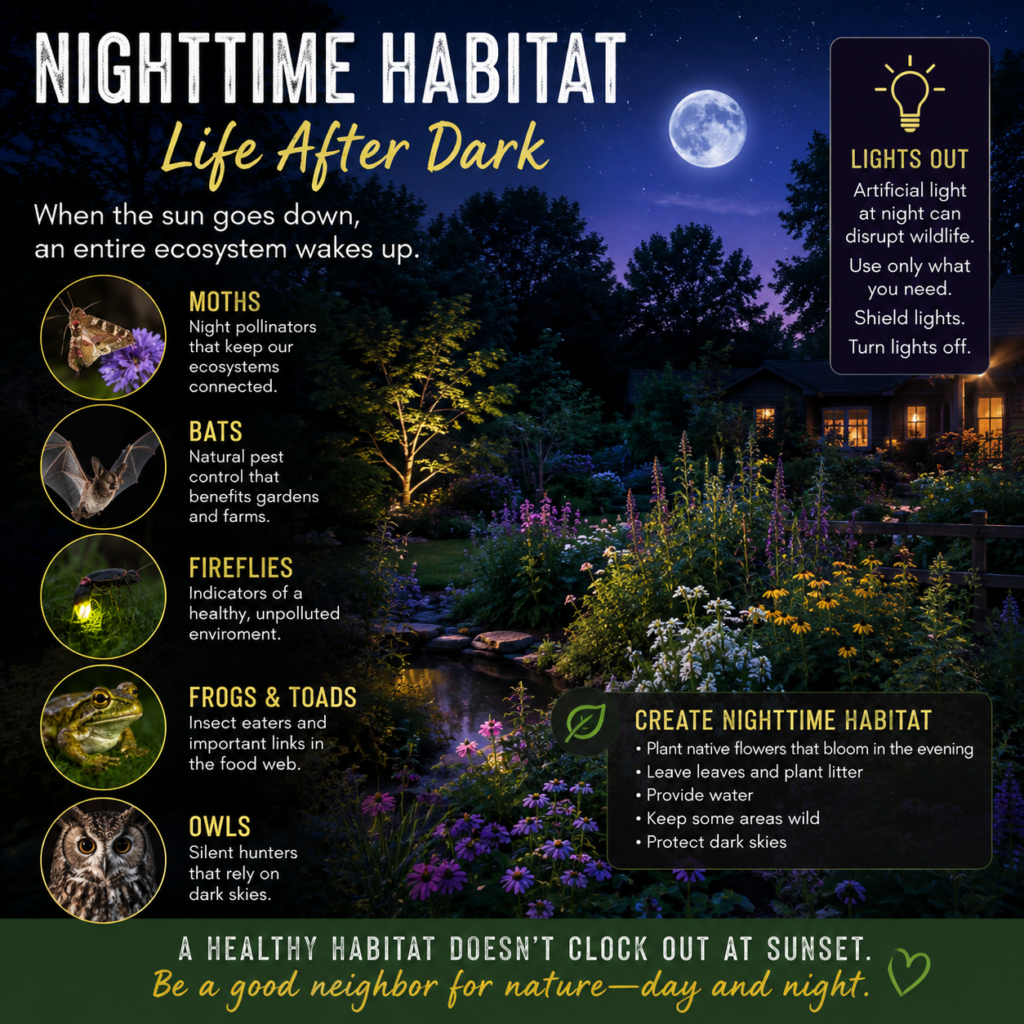
🌙🦇 HABITAT UPDATE: When the Sun Goes Down, the Habitat Wakes Up When we think about wildlife habitat, we often picture what happens during the day—but after sunset, an entirely
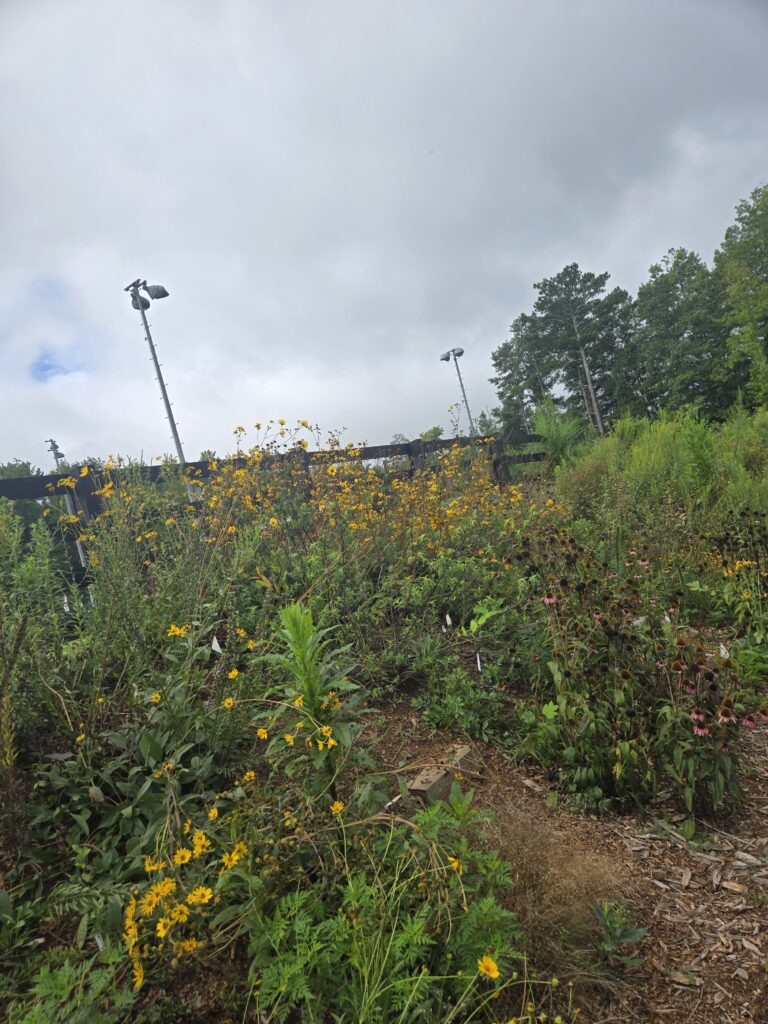
Discover how prairie strips can transform ordinary landscapes into vibrant habitat for pollinators, birds, and wildlife while improving soil and water health. In *The Living Edge: Prairie Strips in the
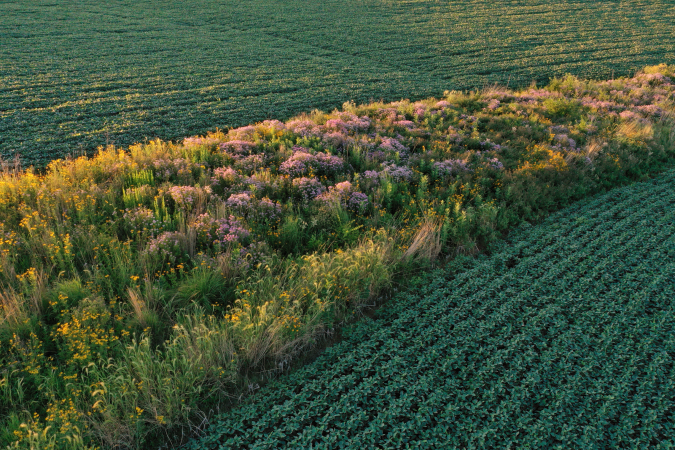
Gary Guthrie, an Iowa farmer, did an experiment on his farm. He added three prairie strips to his crops. Gary realized after hearing the buzz and hum of pollinators, how
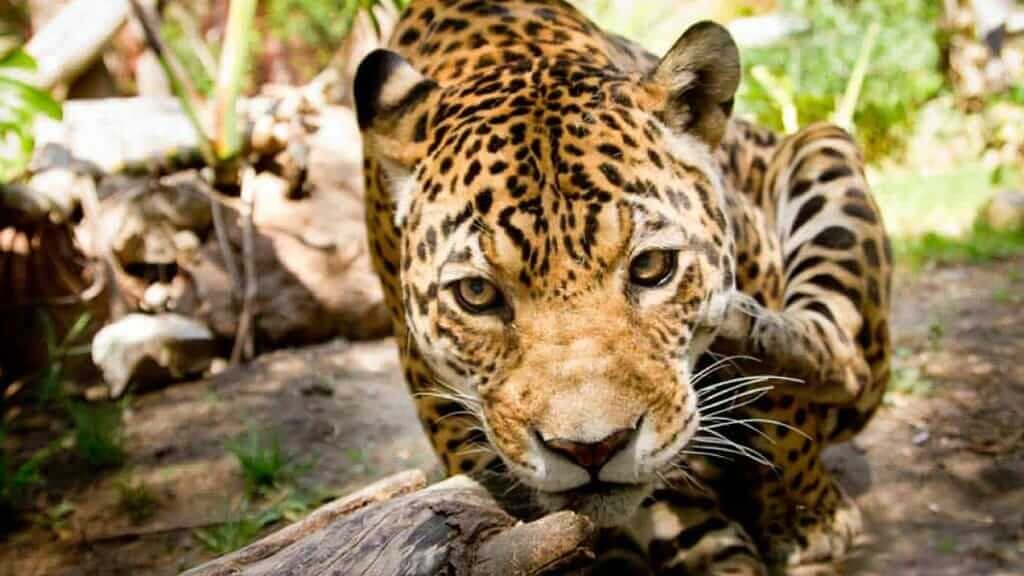
In 2019, the Amazon fires caused 500 jaguars to lose their habitat. Fires have destroyed over 4.9 million acres in Bolivia. Bolivia’s landscape is home to several large cat species
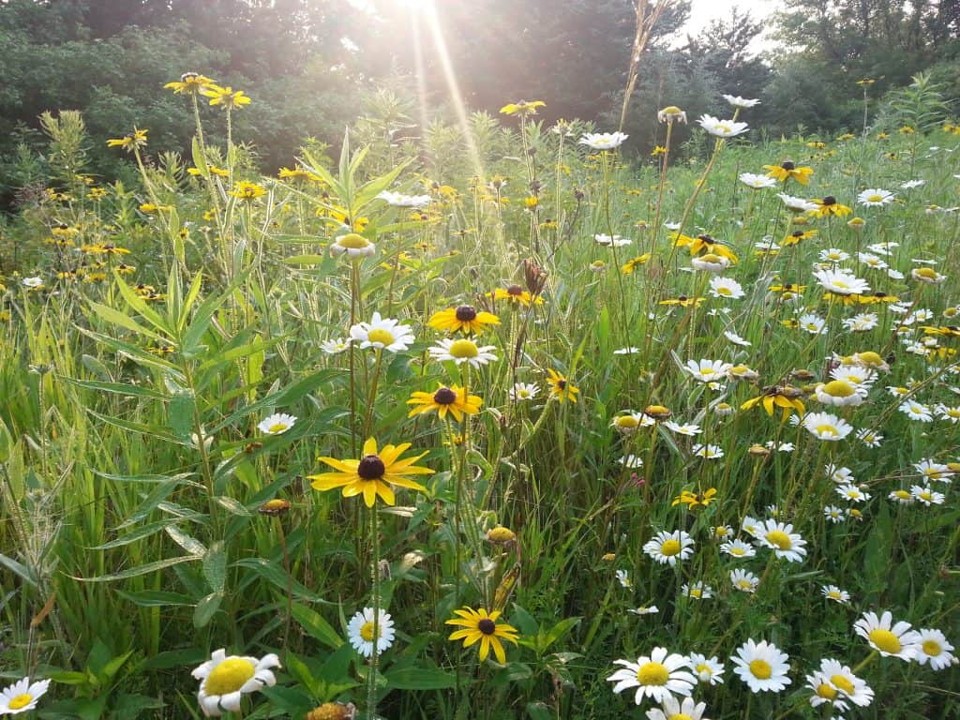
Scientists have perfected prairie restoration techniques. Seeding and burning are better understood. Military bases and power corridors are places where prairies can flourish. Grasslands are the least protected terrestrial biomes.
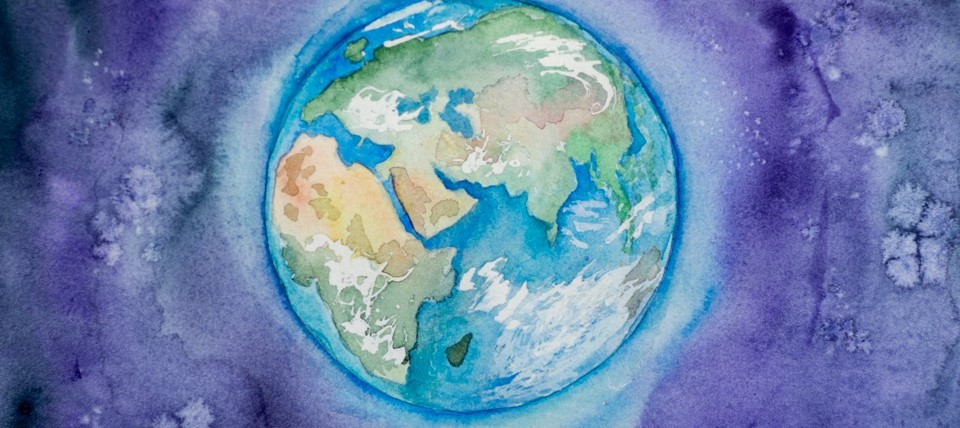
E. O. Wilson, the father of sociobiology, suggests protecting half the Earth, and living on the other half. The conservation community should aim for a big goal instead of incremental
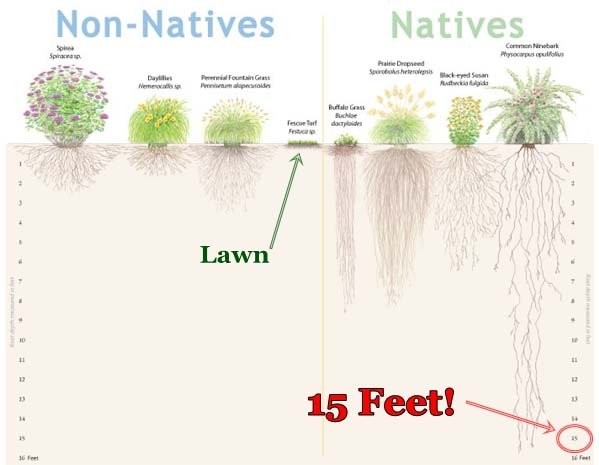
Insects can only lay eggs on native plants. Insects are the keystone species for all life on earth. Native plants are necessary to save wildlife and ourselves. https://www.npr.org/transcripts/1198908440
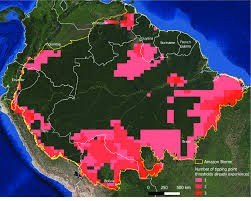
The Amazon red squirrel and the green acouchi, two rodents from the Amazon are extinct. Their habitat is gone. Amazon insects, fish, and flowers are also extinct. Native bees are
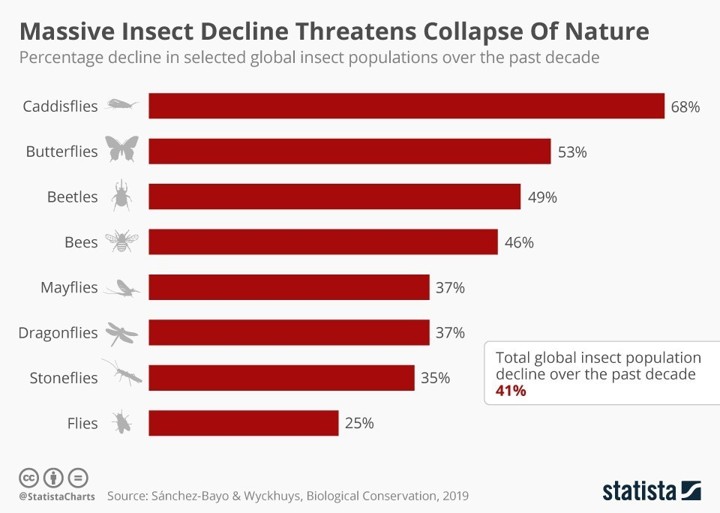
Insect populations continue to decline by a rate of 2.5%/year. https://www.unep.org/news-and-stories/story/insect-declines-are-stark-warning-humanity#:~:text=Many%20people%20think%20of%20insects,without%20them%20we%20are%20doomed.
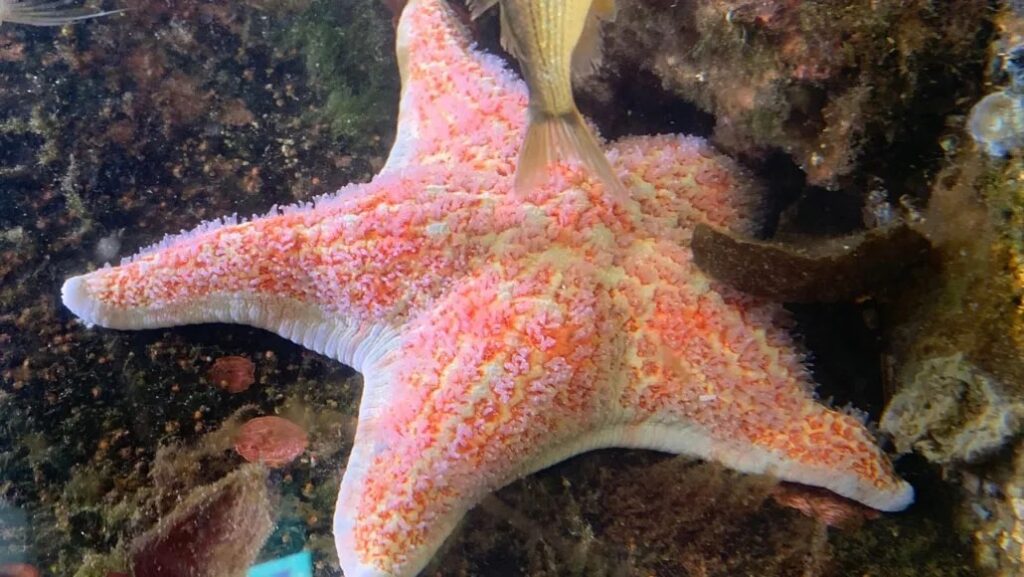
Scientists believe the massive starfish die-off is attributed to warming ocean temperatures. https://www.npr.org/2019/01/30/690003678/massive-starfish-die-off-is-tied-to-global-warming#:~:text=Massive%20Starfish%20Die%2DOff%20Is%20Tied%20To%20Global%20Warming%20%3A%20NPR&text=Massive%20Starfish%20Die%2DOff%20Is%20Tied%20To%20Global%20Warming%20Sea,the%20disease%20even%20more%20deadly.