Pollinator/Wildlife Spotlife
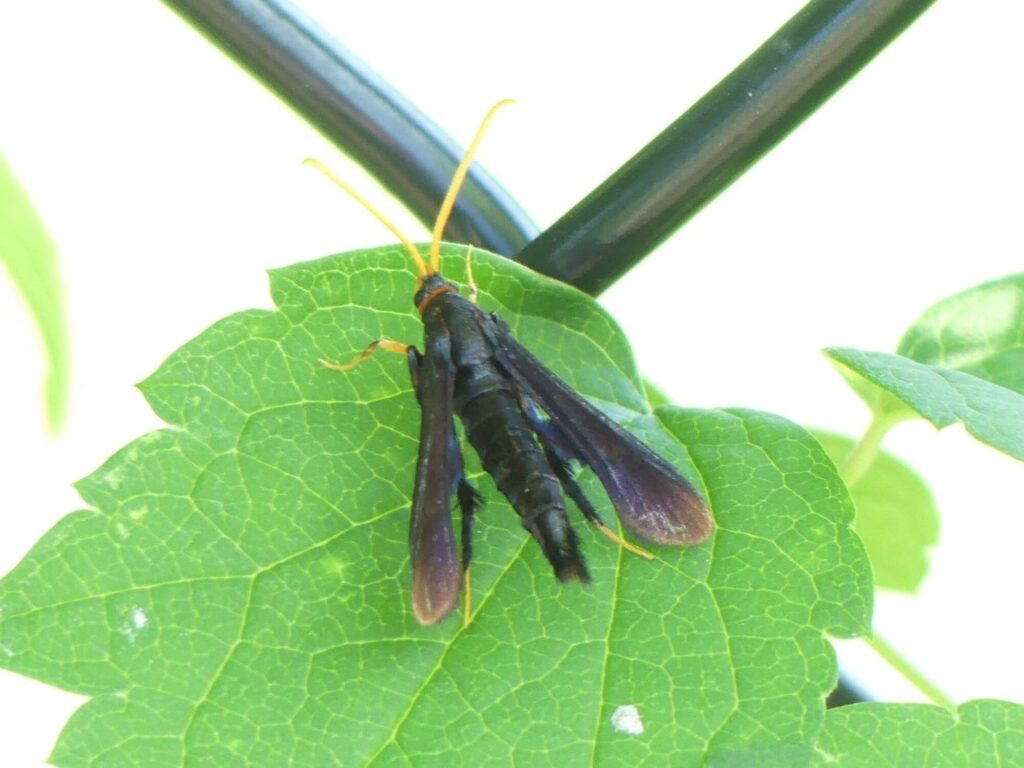
🦋 POLLINATOR SPOTLIGHT: Clematis Clearwing Moth 🌿 At first glance, you might mistake the Clematis Clearwing Moth (Alcathoe caudata) for a wasp! Its slender body and mostly transparent wings are […]
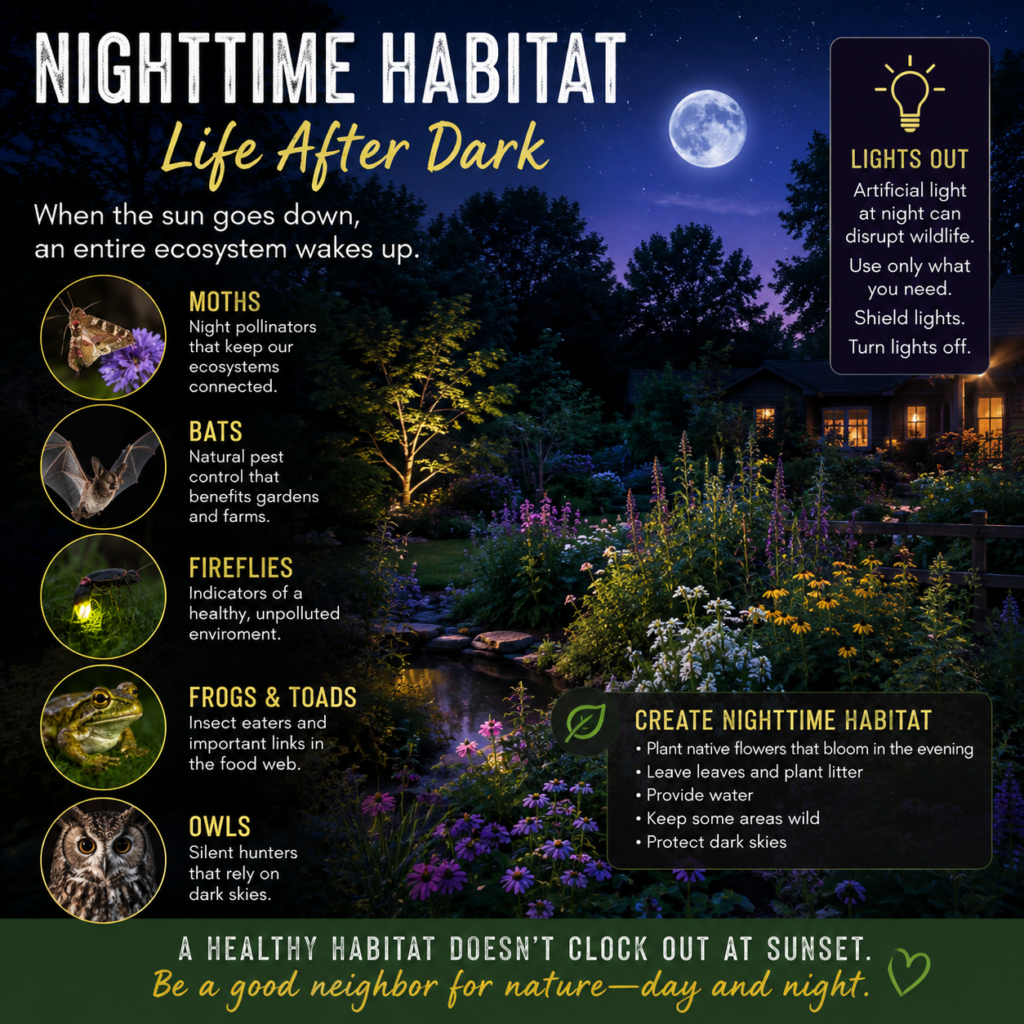
🌙🦇 HABITAT UPDATE: When the Sun Goes Down, the Habitat Wakes Up When we think about wildlife habitat, we often picture what happens during the day—but after sunset, an entirely
Discover how prairie strips can transform ordinary landscapes into vibrant habitat for pollinators, birds, and wildlife while improving soil and water health. In *The Living Edge: Prairie Strips in the
Bird biodiversity is declining. There is a 29% total bird decline since 1970. Birds are a critical part of the living tapestry. When birds decline, pest increases and pollination decreases.
Scientists have perfected prairie restoration techniques. Seeding and burning are better understood. Military bases and power corridors are places where prairies can flourish. Grasslands are the least protected terrestrial biomes.
Insects can only lay eggs on native plants. Insects are the keystone species for all life on earth. Native plants are necessary to save wildlife and ourselves. https://www.npr.org/transcripts/1198908440
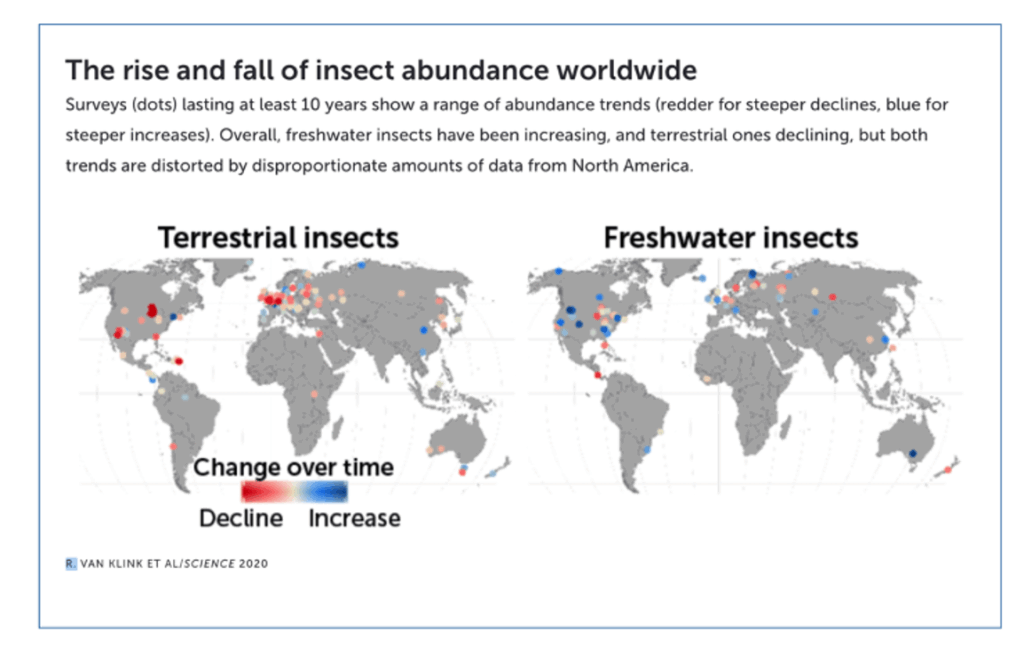
Climate change is causing insects to decline in the rain forest. German scientists estimate a 75% insect decline in German nature preserves. Scientists estimate 4 million insects remain unrecorded. The
Insects are necessary for all life on earth. Some scientists believe the insect population will collapse within 100 years. Insects are losing their habitat. Individual species responses depends on the
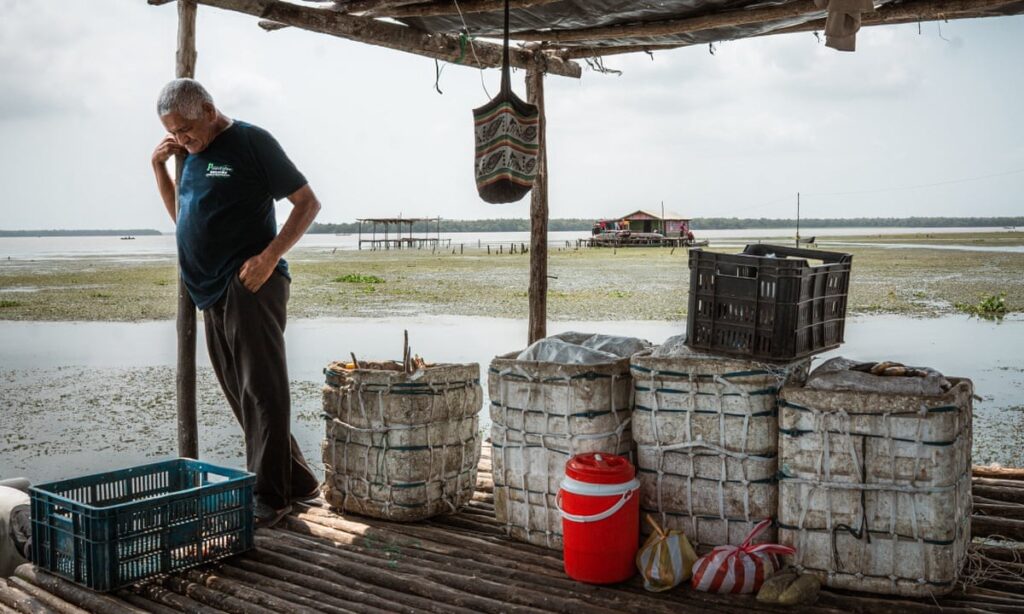
Human modification of Cienaga Grande in Columbia has caused massive destruction. Mangroves and aquatic species are experiencing loss of habitat. The indigenous people in this region have experienced exploitation. “The
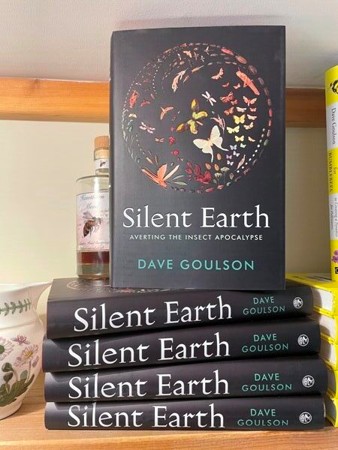
Mr. Goulson takes us through the causes of insect decline. He suggests ways we can support insects. Check your local library, Thrift Books, or Amazon to obtain a copy
Insect populations continue to decline by a rate of 2.5%/year. https://www.unep.org/news-and-stories/story/insect-declines-are-stark-warning-humanity#:~:text=Many%20people%20think%20of%20insects,without%20them%20we%20are%20doomed.
English oaks and jays have a connection. Jays remove acorns and plant them around their territory. Scientists watch jays in the spring tear off the first set of leaves to