
What if those fallen branches, twigs, and logs you planned to haul away could become a thriving wildlife sanctuary?
Instead of sending yard debris to the landfill, turn it into something extraordinary—a brush pile that provides shelter, protection, and habitat for wildlife throughout the year!
🌳 What Is a Brush Pile?
A brush pile is a collection of fallen branches, logs, and woody debris arranged to create small spaces where wildlife can hide, rest, hunt, and escape predators. In nature, fallen trees and branches provide these valuable habitats. We can recreate them in our own backyards!
🐦 Who Benefits from a Brush Pile?
🐤 Songbirds – A Safe Place to Hide!
Carolina Wrens, Eastern Towhees, and other birds use dense brush for cover from predators and harsh weather. Brush piles also attract insects that insect-eating birds may forage for.
🐸 Frogs, Toads & Salamanders – Cool, Moist Retreats!
The shaded spaces beneath logs and branches help retain moisture, providing refuge for amphibians during hot, dry weather.
🐍 Snakes & Lizards – Natural Pest Controllers!
Reptiles use brush piles for shelter and hunting opportunities. Many help regulate populations of insects and small rodents.
🐝 Native Bees & Beneficial Insects – Tiny Wildlife Shelters!
Dead wood can provide nesting habitat for some cavity-nesting native bees, while beetles, spiders, and other invertebrates use the sheltered spaces for protection, hunting, and overwintering.
🐰 Small Mammals – Protection from Predators!
Rabbits, chipmunks, and other small mammals may use brush piles as temporary refuge and escape cover.
🛠️ How to Build Your Own Wildlife Brush Pile
🌿 Step 1: Choose a Location
Find a quiet corner of your yard, preferably near native shrubs or trees. Choose a spot away from buildings, walkways, and areas where children or pets frequently play.
🪵 Step 2: Build a Strong Foundation
Place larger logs and sturdy branches on the ground, leaving small openings and tunnels where wildlife can move in and out.
🌳 Step 3: Add Smaller Branches
Layer branches and twigs loosely over the foundation to create protected spaces. Avoid packing everything too tightly!
🍂 Step 4: Add Natural Materials
Allow leaves and smaller woody debris to accumulate naturally around the pile, creating habitat for decomposers and other forest-floor organisms.
🌱 Step 5: Let Nature Take Over!
Allow the brush pile to settle and decompose naturally. Add fallen branches occasionally, but avoid disturbing wildlife that may have moved in.
🌎 Why Brush Piles Matter
When we remove every fallen branch, log, and leaf from our landscapes, we also remove valuable shelter and habitat.
By leaving some natural materials behind, we can:
✅ Create shelter for birds, amphibians, reptiles, and small mammals.
✅ Provide habitat for beneficial insects and other invertebrates.
✅ Support natural decomposition and nutrient recycling.
✅ Add structure and biodiversity to backyard ecosystems.
✅ Reduce the need to haul away natural yard debris.
💚 Did You Know?
A brush pile doesn’t have to be enormous to make a difference! Even a modest collection of branches tucked into a quiet garden corner can provide useful shelter for wildlife.
🌿 Your Nature Challenge!
This week, create a small brush pile in your yard using fallen branches and twigs. Watch for signs of wildlife activity, but give your new visitors plenty of space!
📸 Have you built a wildlife brush pile? Share a photo in the comments! We’d love to see how you’re turning your yard into a welcoming wildlife habitat.
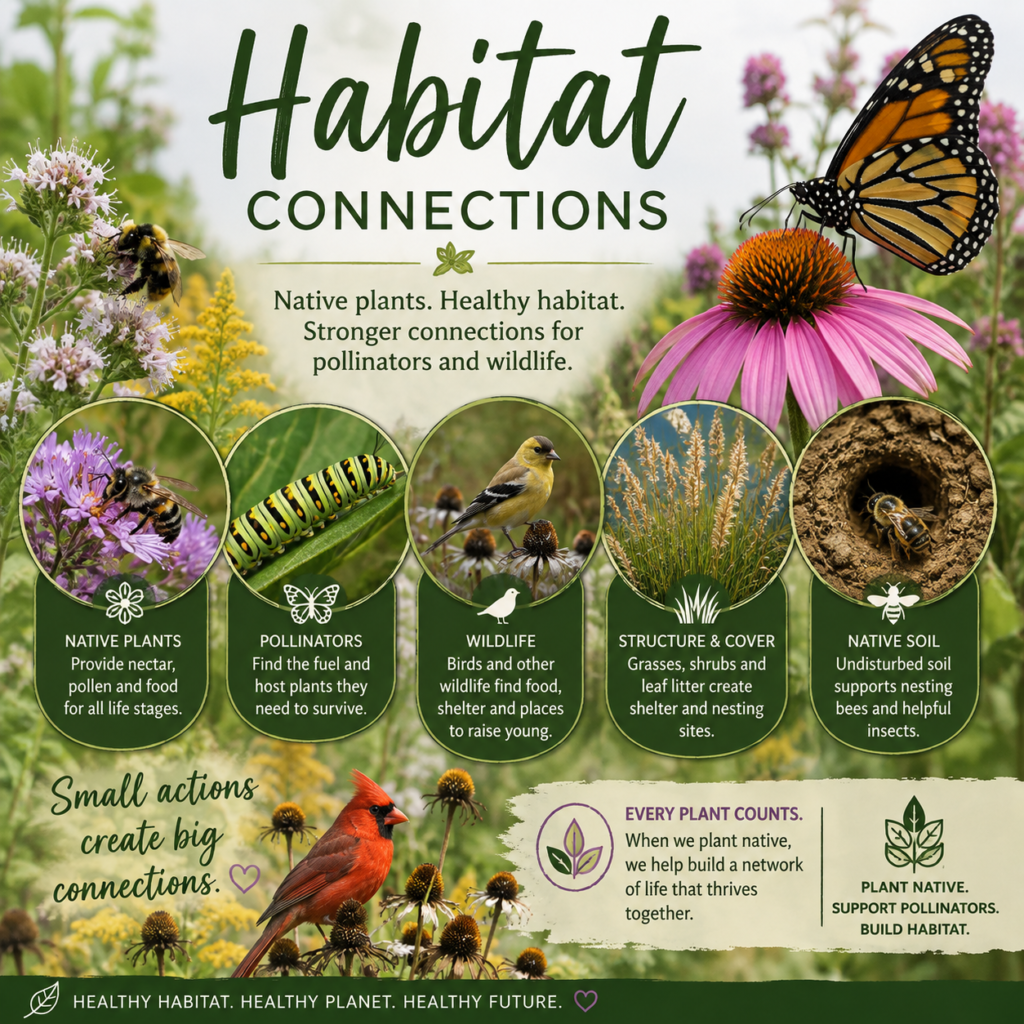
💚 Habitat Connections: Small Actions. Big Impact.
🌎 Nature on the Brink – Educating the public about our fragile ecosystem.
#NatureOnTheBrink #HabitatConnections #BuildABrushPile #BackyardWildlife #WildlifeHabitat #NativeGardening #LeaveTheLeaves #HabitatRestoration #Biodiversity #SupportNativeWildlife #Conservation #HealthyEcosystems