🌿 Habitat Fragmentation: Why It Matters & What You Can Do
As cities grow and roads expand, natural habitats are often broken into smaller, isolated patches—a process called habitat fragmentation. When landscapes are divided, wildlife struggles to find food, mates, and safe shelter. Pollinators may lose flowering corridors, amphibians can’t safely migrate between wetlands, and many native plants fail to spread and reproduce.
But here’s the hopeful part: small actions from the public can reconnect these broken landscapes and create “living bridges” for wildlife. 🌎
🌱 Positive steps you can take:
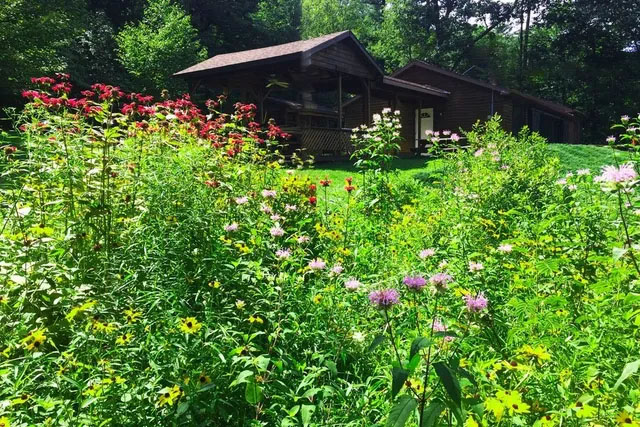
- Plant native trees, shrubs, and wildflowers to create backyard habitat corridors
- Reduce or replace turf grass with native plant gardens that support pollinators
- Leave small patches of natural areas undisturbed for shelter and nesting
- Support wildlife-friendly roadside and park plantings in your community
- Install pollinator gardens that link with neighbors to form habitat networks
- Advocate for green infrastructure like wildlife crossings and greenways
Even small spaces matter. One decorative flower container with native plants, a single yard, school garden, or park strip can become part of a larger connected system.
🌿 Small actions. Small spaces. Big ripple effects for wildlife.
Photo: Penn State Extension