
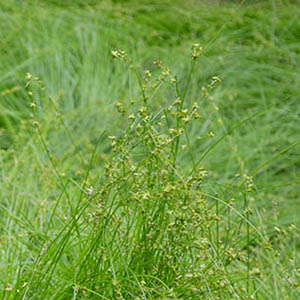
Not every wildlife garden needs another flower! Eastern Star Sedge (Carex radiata) shows just how much beauty and habitat value a native sedge can bring to the landscape.
Named for its distinctive star-like seed heads, Eastern Star Sedge is a graceful, clump-forming native sedge with fine green foliage that adds texture and movement beneath trees and among woodland plants.
🌱 Why consider Eastern Star Sedge?
🌳 Perfect for Woodland Gardens — This sedge is naturally at home in wooded settings and works beautifully in part shade to shade, especially in woodland gardens and beneath deciduous trees.
⭐ Distinctive Seed Heads — Its small, radiating seed clusters create the “star” appearance that gives this sedge its common name.
🐛 Supports the Food Web — Native sedges are more than attractive groundcovers. Carex species can serve as food plants for the caterpillars of various butterflies and moths, helping support the insects that, in turn, provide food for birds and other wildlife.
🐦 Adds Habitat Structure — Its dense foliage creates another layer close to the ground, offering cover and habitat for small creatures moving through the landscape.
🍂 A Natural Lawn Alternative — In the right conditions, native sedges can help replace portions of traditional turf and create a softer transition between garden beds, trees, and natural areas.
🌿 Try pairing Eastern Star Sedge with woodland natives such as wild columbine, woodland phlox, native violets, asters, foamflower, and ferns for a layered, naturalistic planting.
💚 Native Plant Takeaway: Flowers may get most of the attention, but a healthy habitat needs layers. Native sedges help fill the important space at ground level—adding texture, cover, diversity, and connections to the food web.
Plant the flowers—but don’t forget the sedges!
#NativePlantHighlight #NatureOnTheBrink #EasternStarSedge #CarexRadiata #NativeSedges #NativePlants #WoodlandGarden #NativeGroundcover #WildlifeHabitat #GardenForWildlife #PlantNative