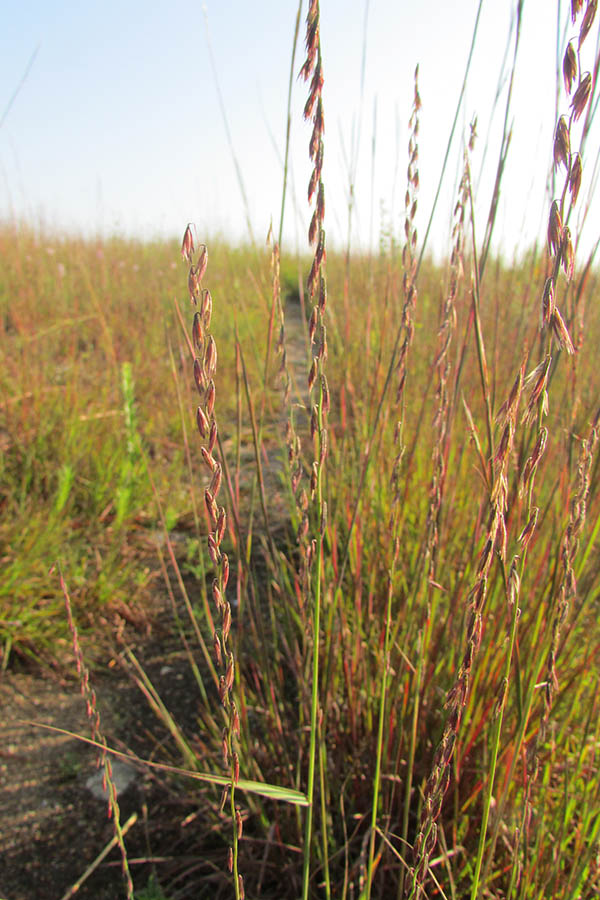
Native grasses may not always get the attention of colorful wildflowers, but they are an essential part of a healthy habitat. Meet Sideoats Grama (Bouteloua curtipendula)—a distinctive warm-season native grass with beauty, texture, and wildlife value.
🌱 Its name comes from the tiny oat-like spikelets that hang along one side of its flowering stems. As the season progresses, the flowers and seed heads can develop beautiful reddish, purple, and golden tones that add movement and interest to the landscape.
☀️ Sideoats Grama thrives in sunny, well-drained sites and is remarkably drought tolerant once established. Its clumping growth makes it a wonderful addition to native gardens, prairie plantings, meadow gardens, and naturalized landscapes.
🐦 But this grass is more than beautiful. Its seeds provide food for birds and other wildlife, while its foliage and dense growth contribute cover and habitat for insects and small animals. Like other native grasses, its extensive roots also help hold soil and contribute organic matter below ground.
🌾 Try pairing Sideoats Grama with native wildflowers such as coneflowers, blazing stars, asters, goldenrods, and black-eyed Susans for a planting that offers both flowers and structure.
💚 Native grasses remind us that creating habitat isn’t only about planting flowers. A thriving ecosystem needs layers, structure, shelter, seeds, and diversity.
Plant the flowers—but don’t forget the grasses!
Photo: Illinois Pollinators
#NativePlantHighlight #NatureOnTheBrink #SideoatsGrama #BoutelouaCurtipendula #NativeGrasses #NativePlants #PollinatorHabitat #WildlifeHabitat #PlantNative #PrairiePlants #GrasslandConservation