As autumn leaves fall and the landscape begins to settle into winter, one remarkable native shrub puts on a spectacular display of color!
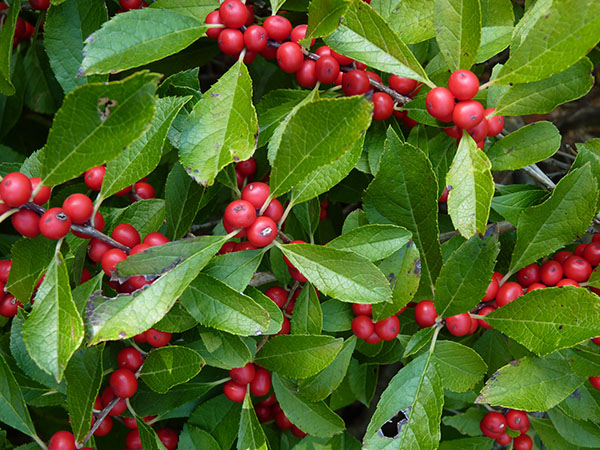
Meet Winterberry (Ilex verticillata), a deciduous native holly whose brilliant red berries transform bare branches into a beautiful winter spectacle.
But Winterberry is more than a seasonal decoration. Its colorful fruits provide an important food resource for birds and other wildlife during the colder months.
🍒 Meet Winterberry: The Holly That Loses Its Leaves!
Unlike the familiar evergreen hollies, Winterberry sheds its leaves in autumn, revealing clusters of bright red berries that may remain on its branches well into winter.
Native to Georgia and much of eastern North America, Winterberry naturally grows in moist woodlands, wetlands, streambanks, and other areas with consistently moist soils.
Its vibrant berries create a striking contrast against the muted colors of the winter landscape.
🌱 Native Plant Profile
- Scientific Name: Ilex verticillata
- Plant Family: Aquifoliaceae (Holly Family)
- Plant Type: Deciduous shrub
- Height: Typically 6–12 feet, depending on growing conditions and variety
- Bloom Time: Late spring to early summer
- Flowers: Small, greenish-white flowers
- Fruit: Bright red berries, typically ripening in autumn
- Light Requirements: Full sun to partial shade
- Soil Preferences: Moist, acidic soils; tolerates periodically wet conditions
- Native Habitat: Wetlands, moist woodlands, streambanks, and pond edges
🐦 A Winter Buffet for Wildlife!
As winter approaches, many insects become less active, and other natural food sources become scarce. Native berry-producing shrubs such as Winterberry help fill this seasonal food gap.
Its fruits are eaten by several bird species, including:
🐦 American Robin — Often gathers in winter flocks, feeding on available fruits and berries.
🐦 Cedar Waxwing — A fruit-loving bird that may visit berry-laden shrubs in groups.
🐦 Eastern Bluebird — Supplements its insect-based diet with fruits during colder months.
🐦 Northern Mockingbird — Feeds on berries and may defend valuable winter food sources.
🐦 Gray Catbird — Consumes a variety of native fruits during the warmer months and migration.
These birds also contribute to seed dispersal, helping plants establish in new locations.
🌼 Spring Flowers, Winter Berries
Although Winterberry is celebrated for its colorful winter fruits, its ecological story begins months earlier.
In late spring and early summer, Winterberry produces clusters of small flowers that attract bees and other flower-visiting insects.
As pollinators move between flowers, they help make fruit production possible.
The berries that develop during summer and autumn become valuable food for wildlife later in the year.
It’s a wonderful example of how native plants connect pollinators, birds, and seasonal habitats.
🌸 Did You Know? Winterberry Needs a Partner!
Winterberry is dioecious, meaning male and female flowers grow on separate plants.
Only female plants produce berries, and they generally need a compatible male Winterberry nearby for successful pollination.
When selecting Winterberry for your garden, choose male and female plants with overlapping bloom times.
One compatible male plant can often pollinate several female plants, depending on their placement and growing conditions.
This fascinating relationship demonstrates the importance of understanding native plant reproduction when creating wildlife habitats.
🍂 More Than Just Berries
Winterberry contributes to healthy ecosystems throughout the year by:
🌼 Providing spring flowers for native bees and other insects.
🐛 Supporting native caterpillars and other plant-eating insects.
🐦 Producing fruits that nourish birds and other wildlife.
🌿 Offering protective cover within shrub-dominated habitats.
💧 Thriving in moist areas where many conventional landscape plants struggle.
🌳 Adding structural diversity to woodland edges, wetland margins, and naturalized landscapes.
🏡 Bring Winterberry Into Your Landscape
Winterberry is a beautiful addition to gardens designed to support wildlife throughout the seasons.
Consider planting it in:
- Rain gardens with suitable soil conditions
- Moist woodland edges
- Pond and stream borders
- Native shrub borders
- Wildlife habitat gardens
- Naturalized neighborhood landscapes
Pair Winterberry with other moisture-loving native plants such as Swamp Milkweed, Virginia Sweetspire, Cardinal Flower, and native sedges to create a diverse habitat.
💡 A Few Gardening Tips
☀️ Provide adequate sunlight for strong flowering and fruit production.
💧 Choose a location with consistently moist soil.
🌱 Plant compatible male and female shrubs if you want berries.
🍂 Preserve natural leaf litter around established plants to support soil health and overwintering insects.
🐦 Leave the berries for wildlife rather than removing them for seasonal decorations.
⚠️ Winterberry fruits are intended for wildlife, not people. They should not be eaten by children or pets.
🔍 Your Nature Challenge: Go on a Winterberry Hunt!
Take a walk through a native plant garden, woodland edge, or wetland this week.
Look for shrubs displaying clusters of bright red berries against bare branches.
Can you identify Winterberry or another native berry-producing plant?
Observe carefully:
- Are birds visiting the berries?
- Are the fruits growing in clusters?
- Are the branches bare or evergreen?
- What other plants surround the shrub?
- How might these plants help wildlife survive the winter?
Photograph your discoveries and try identifying them using a field guide or iNaturalist.
Remember to leave the berries for the wildlife that depends on them!
💚 The Bigger Picture
A truly wildlife-friendly landscape provides more than beautiful flowers during spring and summer. It offers food, shelter, and habitat throughout every season.
From the bees visiting Winterberry’s spring flowers to the Cedar Waxwings feeding on its brilliant red fruits in winter, this remarkable native shrub connects different species across the changing seasons.
By planting native berry-producing trees and shrubs, we help strengthen the living tapestry of our neighborhoods and natural landscapes.
Plant Native. Feed the Birds. Celebrate Winter’s Beauty!
🌿 Nature on the Brink
Inspiring the Next Generation of Environmental Stewards
Photo: University of Minnesota Extension
Explore. Discover. Connect. Protect.
#NatureOnTheBrink #NativePlantHighlight #Winterberry #IlexVerticillata #NativePlants #GeorgiaNativePlants #NativeShrubs #WinterWildlife #BirdFriendlyGardens #NativeBerries #CedarWaxwing #AmericanRobin #WildlifeHabitat #Biodiversity #PlantNative