
- This event has passed.
Trayletaah Garden Club
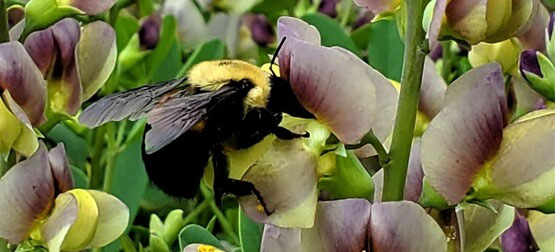
Native plants and pollinators are deeply interconnected, forming the foundation of healthy ecosystems. Native plants—those that have evolved naturally in a specific region—provide the exact nectar, pollen, and habitat that local pollinators such as bees, butterflies, moths, birds, and even some beetles depend on for survival. In turn, these pollinators help plants reproduce by transferring pollen from one flower to another, enabling the production of seeds and fruits that support wildlife and maintain biodiversity. Because native plants are adapted to local soils, climate, and seasonal cycles, they require less water and maintenance than non-native species while offering far greater ecological value. By planting native species, individuals can create thriving habitats that support pollinators, strengthen food webs, and contribute to the resilience of the natural environment.
Photo: Cornell Cooperative Extension