Our services
Bring nature to life.
Inspire a lifelong connection.
Hands-on nature education for schools, libraries, and communities. Explore native plants, pollinators, wildlife, and local ecosystems through programs shaped around your group.
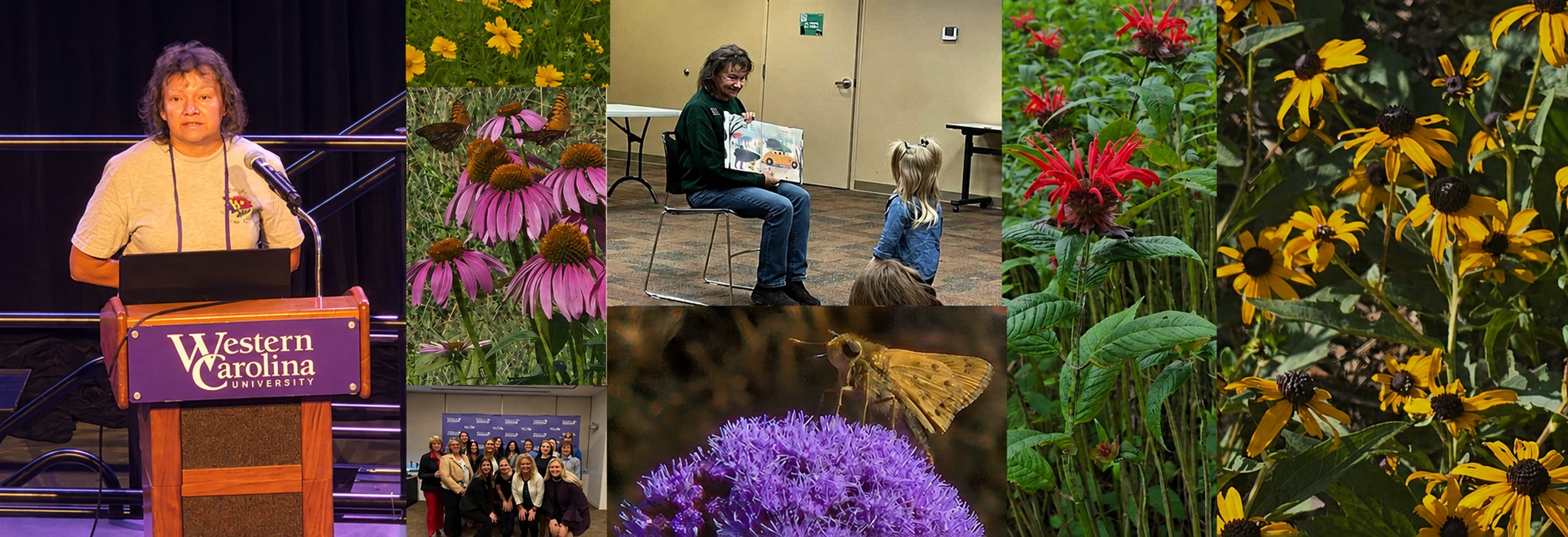
Programs for your group
Every audience is different. We shape the topic, language, activities, and format around your group so participants leave with knowledge they can use and a stronger connection to the natural world.
Schools & Educators
Classroom presentations, STEM/STEAM projects, career days, pollinator activities, and curriculum-support experiences for public and private schools.
Libraries & Community Organizations
Interactive story times, all-ages presentations, seasonal programs, and hands-on activities that make science approachable and memorable.
Scouts, Homeschool Groups & Youth Programs
Flexible programs for troop meetings, homeschool groups, youth events, and project-based learning, with activities adapted to age and learning goals.
Garden Clubs, Nurseries & Adult Audiences
Practical presentations on native plants, pollinators, habitat, soil, seed saving, and ways to support biodiversity at home and in the community.
Popular program topics
Start with a topic that sparks curiosity. We’ll help connect it to your audience and learning goals.
Native Plants & Pollinators
Discover how native plants support bees, butterflies, birds, and other wildlife—and how everyday planting choices can create healthier habitat.
Community Science
Turn observation into action through pollinator counts, BioBlitz activities, biodiversity observations, and other ways communities can contribute to science.
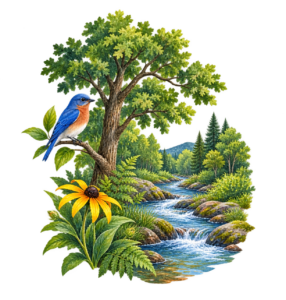
Local Ecosystems & Wildlife Habitat
Explore the relationships among plants, animals, water, soil, and people in woodlands, wetlands, gardens, savannas, and prairies.
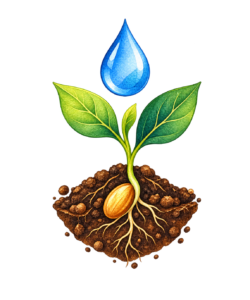
Water, Soil & Seed Stories
Follow a water molecule, investigate seed dispersal, explore soil health, and uncover the processes that connect living systems.
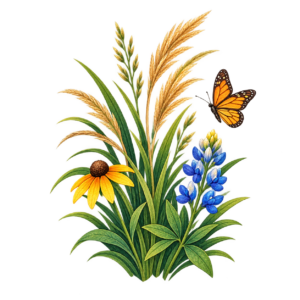
Southeastern Grasslands & Biodiversity
Learn why southeastern grasslands matter, what lives there, and how people can help conserve these remarkable ecosystems.
Conservation Careers
Introduce students to environmental and conservation career paths through age-appropriate career days, fairs, and classroom conversations.
Learning through discovery
Small discoveries. Lasting connections.
- Create a pollinator habitat
- Build a native bee house
- Investigate how seeds travel
- Follow the incredible journey of a water molecule
- Participate in a pollinator census or BioBlitz
- Explore carnivorous plants and their adaptations
- Join a guided nature walk or habitat tour
- Enjoy story-based preschool programs about plants and animals
These are examples, not a fixed menu. Programs can be adapted to your audience, setting, goals, and available time.
How a program comes together
1. Tell Us About Your Group
Share your audience, approximate group size, location, preferred date, topic interests, and learning goals.
2. Shape the Experience
We will recommend a program or adapt an existing topic to suit your age group, venue, and objectives.
3. Confirm the Plan
We will confirm the date, format, program length, materials, location, and any applicable costs before scheduling.
Programs may be delivered as presentations, workshops, classroom visits, story times, guided walks, or project-based experiences.
Designed for meaningful learning
Approachable
Clear, age-appropriate explanations help participants feel welcome and capable.
Locally Relevant
Examples connect learning to native species, local habitats, and the biodiversity of our region.
Hands-On
Activities encourage observation, questions, participation, and discovery.
Action-Oriented
Participants leave with practical ways to support nature at home, at school, and in the community.
A few helpful answers
Can programs be adapted for different age groups?
Yes. Topics and activities can be adjusted for preschoolers, elementary through high school students, families, and adult audiences.
Are programs available indoors and outdoors?
Depending on the topic and venue, programs may be offered in classrooms, libraries, meeting spaces, gardens, parks, and other outdoor learning environments.
What should I include in an inquiry?
Please include your organization, audience and approximate group size, location, preferred date or date range, topic interests, learning goals, and any accessibility or scheduling considerations.
How far in advance should I contact you?
Earlier is better, especially for seasonal programs and specific dates. Contact us even if your plans are still taking shape—we can begin with a conversation.
Let’s plan something meaningful
Bring nature to your group.
Tell us who you serve and what you hope participants will experience. We’ll help you identify the right program and next steps.